Appliance Leak Water Damage in Valley Village, CA
A washer hose, dishwasher connection or refrigerator supply can wet enclosed floor edges before water appears in the room. The restoration technician checks beneath and beside the appliance after safe source isolation.
(888) 578-6508 Discuss water under the appliance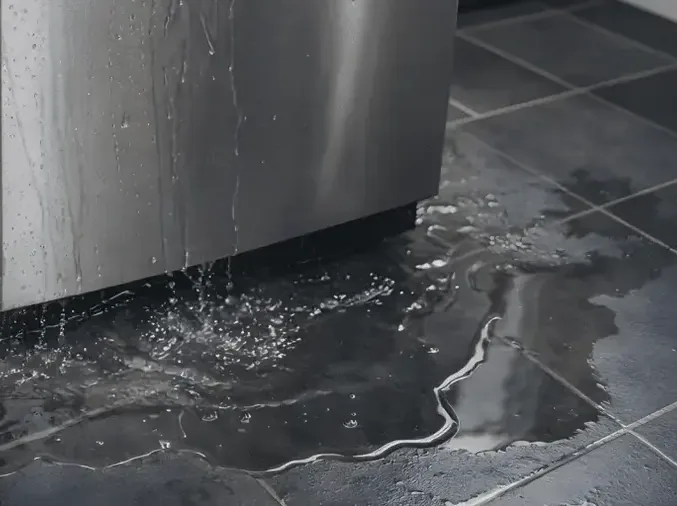
Appliance leak water damage in Valley Village often begins behind an object that blocks the view. A dishwasher can release water beneath cabinets, while a refrigerator supply can wet flooring against a wall. The cleanup crew needs the source isolated and the appliance moved safely before deciding how far the release traveled. Pulling a heavy appliance across a wet floor can add damage.
First steps for appliance leak water damage
- Stop the cycle. An occupant stops appliance use only when controls are dry and accessible, avoiding contact with wet plugs or energized parts.
- Isolate a known valve. The owner closes the appliance supply if safe access permits, then arranges service for the actual hose or equipment fault.
- Avoid dragging equipment. Residents leave heavy appliance movement to appropriate help when flooring is wet, swollen or electrically unsafe.
- Report rooms below. The manager checks access needs beneath an upper-floor kitchen or laundry release and coordinates inspection with affected occupants.
How appliance leak water damage progresses
- 1
Identify source and category
The technician distinguishes supply leakage from used discharge and maps cabinet edges, flooring transitions and adjoining rooms before selecting the cleanup method.
- 2
Recover trapped water
The crew extracts accessible liquid and evaluates concealed bases or floor layers, explaining where limited access can reveal moisture hidden by the appliance.
- 3
Dry the exposed assembly
The drying team sets equipment around the actual wet materials and safe household routes, checking for slow progress beneath cabinets and partitions.
- 4
Review reinstallation
The contractor records moisture conditions and remaining repair needs before the serviced appliance returns and conceals the previously wet floor or wall edge.
Checking the enclosed edges first
Single-story houses and boulevard apartments have different access arrangements. At a property near Riverside Drive, the technician identifies the actual appliance location and floor assembly instead of assuming a standard kitchen layout. A tenant may need the manager to arrange movement, source service and access to a room below.
The Colfax Avenue report of water affecting stacked apartments shows why an upper-floor release deserves a lower-room check when readings suggest travel. That report concerned a broken pipe rather than an identified appliance fault. The new loss needs its own hose, connection or equipment diagnosis.
- The technician inspects cabinet toe-kicks, wall edges and transitions where a puddle can disappear beneath the finish.
- The crew distinguishes fresh supply water from used appliance discharge before deciding which porous materials can remain.
- Residents keep wet appliances unplugged only when safe handling is possible and otherwise obtain qualified electrical isolation.
- The owner records source-service findings separately from the contractor's assessment of surrounding building materials.
Preserving cabinets without concealing moisture
Cabinet faces can look normal while absorbent bases swell behind them. The restoration contractor assesses construction, access and contamination before recommending limited openings or removal. An enclosed base can retain moisture beneath a dry countertop. Measurements at accessible points help identify where further inspection is necessary.
- Controlled access should reveal the wet assembly without using broad demolition as the default response.
- Flooring and underlayment need separate consideration when water sits between layers.
- Drying equipment must address the exposed surfaces without obstructing safe routes through an occupied kitchen or laundry.
- Repeat readings should use consistent locations so progress is clear even after the appliance has been repaired.
Restoring use of the room in stages
For homes around Burbank Boulevard, a practical plan identifies which appliances can remain out of service and which walkways must stay open. The contractor discusses the drying area with the household rather than assuming the kitchen can operate normally around hoses and equipment. Contents with water contact may need a separate assessment.
The final record should distinguish the appliance service, emergency cleanup and finish repairs. A replacement hose stops additional water but does not resolve swollen underlayment or a damp cabinet base. The owner should understand those remaining tasks before reinstalling the appliance and closing access openings.
Discuss the wet materials before repairs
Water behind an appliance can keep soaking cabinet bases after the open floor clears. Describe the equipment, source status and affected edges before arranging access and drying.
(888) 578-6508 Review concealed appliance waterWhat does appliance leak water damage cost in Valley Village, CA?
Appliance leak cleanup commonly costs $700 to $4,000. A visible spill differs from water beneath cabinets or layered flooring. Appliance repair, cabinet rebuilding and new flooring should appear separately from emergency drying.
Accessible floor spill
$700 to $1,400
- Surface extraction
- Source-category check
- Initial measurements
Cabinet-edge water
$1,400 to $2,600
- Limited access
- Base inspection
- Controlled drying
Concealed floor spread
$2,600 to $4,000
- Layer evaluation
- Broader moisture mapping
- Ongoing monitoring
The figures describe typical work scopes, not a quote. Water category, affected area, access and the time before drying change the scope. Compare the inputs in the Valley Village water damage cost calculator.
Documentation for your insurance claim
The restoration contractor records the water source, affected rooms and moisture readings before removal begins. Timestamped photographs show damaged materials and the reason for opening a wall or lifting a floor. Daily temperature, humidity and material readings document progress against a dry comparison area. An itemized scope separates extraction, disposal, cleaning and equipment use from plumbing repairs and finish replacement. The property owner keeps invoices and the initial discovery details with that record. An insurer evaluates coverage under the actual policy; a sudden plumbing release, outside flooding and a sewer backup can receive different treatment. The adjuster decides coverage, and the homeowner checks deductibles, exclusions and any applicable endorsements directly with the insurer.
Daily measurements support the IICRC S500 drying goal. The drying crew compares similar materials and investigates readings that stop improving before equipment leaves.
Appliance leak water damage in Valley Village
Coverage includes homes and businesses around Laurel Canyon Boulevard, Colfax Avenue and Burbank Boulevard, with ZIP 91607 and 91617. The work scope follows the actual wet rooms and materials.
Additional service areas include Sherman Oaks, Studio City, North Hollywood, Encino and Hollywood.
Appliance Leak Water Damage questions in Valley Village, CA
Is dishwasher water clean water?
A leak from a fresh supply connection differs from used wash water leaving the appliance. The technician asks where in the cycle the release occurred and what the water contacted. That source assessment affects cleaning, porous-material removal and the decision to dry a finish in place.
Can cabinets remain after an appliance leak?
The contractor evaluates the base material, swelling, contamination and drying access. Some assemblies can remain with controlled openings, while damaged absorbent components may require replacement. The owner should receive a specific reason for removal or retention rather than a promise based on the cabinet face alone.
Why is the floor wet beyond the appliance?
Water can travel beneath a covering or along a wall before it appears in an open room. The moisture map follows those paths and checks transitions. Even a small source can wet a broad area while the release remains out of sight.
Should the appliance be pulled out immediately?
Safe movement depends on weight, connections, electricity and floor condition. Residents should avoid dragging heavy equipment over a swollen floor or touching wet electrical parts. The source professional and restoration crew coordinate access so inspection does not create another hazard.
Can a repaired hose end the cleanup visit?
Repair stops the new release, but cabinets and floor layers may still hold water. The drying technician measures those materials and explains whether equipment or access is needed. Before the cabinet base or floor opening is closed, the contractor records the drying results for the materials around the repaired connection.
What should a tenant report to the manager?
The tenant should describe the appliance, whether water is still moving, affected rooms and any signs below the source. Safe photographs and the discovery time help. The manager coordinates authorized access and source service while the restoration team documents the actual damage.
A clear scope starts with the source
Water behind an appliance can keep soaking cabinet bases after the open floor clears. Describe the equipment, source status and affected edges before arranging access and drying.
(888) 578-6508 Review concealed appliance waterCheck beneath the appliance before replacing it
The restoration crew measures cabinets and floor layers while source service addresses the appliance fault.
(888) 578-6508 Arrange appliance-area drying