Storm Flood Cleanup in Valley Village, CA
Runoff entering a building can carry contamination that changes the cleanup method. The restoration team assesses safe access, removes water and debris, then dries the remaining structure after the source stops.
(888) 578-6508 Discuss runoff inside the home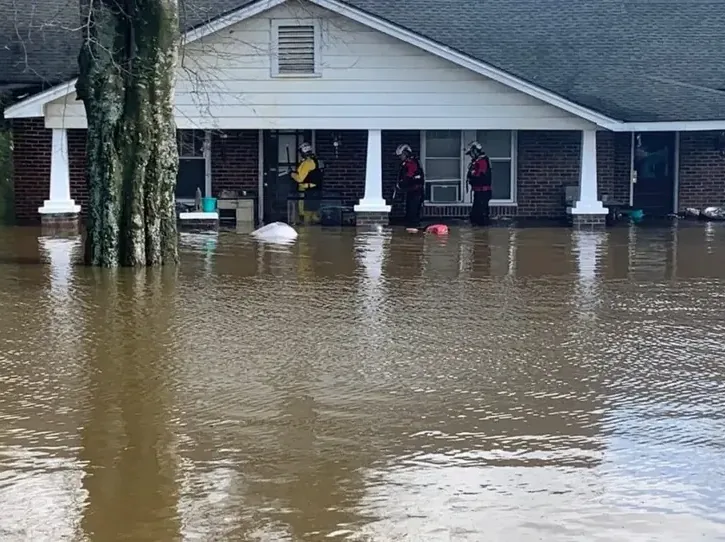
Storm flood cleanup in Valley Village requires more than collecting the water that remains on the floor. The technician asks how outside water entered, what it crossed and whether the entry route is still active. Conditions at the property determine contamination precautions and removal decisions. Inside the building, the crew identifies runoff-contacted materials and evaluates which finishes need removal before cleaning and structural drying.
First steps for storm flood cleanup
- Stay out of moving water. Residents avoid flooded routes and follow local emergency directions before approaching a building or inspecting a wet room.
- Confirm safe entry. The owner obtains appropriate safety assessment when water may have affected electrical systems, ceilings or structural components.
- Identify the entry path. Occupants record visible threshold, wall or roof entry from a safe position without entering contaminated water to investigate.
- Keep wet contents separate. The household avoids carrying soaked rugs and debris across dry rooms until the cleanup team plans handling and disposal.
How storm flood cleanup progresses
- 1
Assess water and access
The technician reviews the source and current entry conditions, checks hazards and documents affected rooms before marking the cleanup boundary.
- 2
Remove water and debris
The crew extracts standing water and collects sediment, controlling transport through the property so unaffected spaces do not become part of the loss.
- 3
Evaluate exposed materials
The contractor removes unsuitable porous finishes, cleans salvageable surfaces and identifies cavities that need access before structural drying can progress.
- 4
Track the dry-out
The drying team records humidity and material readings, adjusts equipment as moisture declines and explains remaining entry-route repairs before reconstruction.
Tracing outdoor water into the building
Tujunga Wash marks the western boundary in the neighborhood council description. Burbank Boulevard defines the north. For a water loss near either boundary, the inspection follows the path from outside surfaces to wet thresholds, wall openings and floor edges. Photographs of these entry points help connect the exterior repair with the indoor cleanup.
The reported Laurel Canyon Boulevard roadway flooding near La Maida Street came from a water main break. That release illustrates why the cleanup scope starts with the source: public-main water, roof entry and surface runoff follow different paths and can require different contamination precautions.
- Occupants avoid walking or driving through moving flood water and stay clear of rooms with electrical or structural hazards.
- The contractor checks whether water continues entering before committing equipment to an exposed work area.
- Crews inspect floor edges, low wall cavities and storage spaces where sediment can remain after the water recedes.
- Material removal decisions account for the source and contact, rather than relying only on how clean the floor appears.
Cleaning before the structure dries
Outdoor water may bring soil and other contaminants into the building. The cleanup crew separates affected spaces, removes water and debris, and evaluates porous finishes for disposal. Air movers should not simply blow across dirty deposits. The technician plans a cleaning and containment sequence before treating the remaining structure as a routine clean-water dry-out.
- Debris routes should avoid carrying contaminated material through unaffected bedrooms and living spaces.
- Hard surfaces need removal of soil before a label-directed treatment can serve its intended purpose.
- Wall and floor assemblies require inspection when water has entered through joints or beneath coverings.
- Equipment readings should track the cleaned structural materials that remain, not discarded finishes.
Planning the return to ordinary use
Properties along Riverside Drive need a source-specific work scope after water entry. The owner should understand which openings prevent trapped moisture, which finishes need replacement and whether another professional must address the entry route. Drying does not repair drainage, flashing or a failed threshold by itself.
The contractor documents pre-removal conditions and the moisture trend through the dry-out. The insurer evaluates flood coverage separately from other policy provisions. A complete record supports that discussion without promising reimbursement or assigning an unsupported cause.
Discuss the wet materials before repairs
Outside water can leave sediment and hidden moisture after the puddle disappears. Describe the entry path and affected rooms before selecting a cleanup and material-removal plan.
(888) 578-6508 Review the outside-water lossWhat does storm flood cleanup cost in Valley Village, CA?
Storm flood cleanup typically ranges from $2,500 to $10,000. Outside contamination, sediment, multiple rooms and damaged floor layers can expand the scope. Entry-route repairs and replacement finishes are separate considerations.
Limited outside entry
$2,500 to $4,000
- Source assessment
- Water and debris removal
- Surface cleaning
Several affected rooms
$4,000 to $7,000
- Containment
- Porous-material removal
- Controlled drying
Extensive flood loss
$7,000 to $10,000
- Complex debris handling
- Multiple assemblies
- Detailed progress records
The figures describe typical work scopes, not a quote. Water category, affected area, access and the time before drying change the scope. Compare the inputs in the Valley Village water damage cost calculator.
Documentation for your insurance claim
The restoration contractor records the water source, affected rooms and moisture readings before removal begins. Timestamped photographs show damaged materials and the reason for opening a wall or lifting a floor. Daily temperature, humidity and material readings document progress against a dry comparison area. An itemized scope separates extraction, disposal, cleaning and equipment use from plumbing repairs and finish replacement. The property owner keeps invoices and the initial discovery details with that record. An insurer evaluates coverage under the actual policy; a sudden plumbing release, outside flooding and a sewer backup can receive different treatment. The adjuster decides coverage, and the homeowner checks deductibles, exclusions and any applicable endorsements directly with the insurer.
Daily measurements support the IICRC S500 drying goal. The drying crew compares similar materials and investigates readings that stop improving before equipment leaves.
Storm flood cleanup in Valley Village
Coverage includes homes and businesses around Laurel Canyon Boulevard, Colfax Avenue and Burbank Boulevard, with ZIP 91607 and 91617. The work scope follows the actual wet rooms and materials.
Additional service areas include Sherman Oaks, Studio City, North Hollywood, Encino and Hollywood.
Storm Flood Cleanup questions in Valley Village, CA
Does living near Tujunga Wash mean a home is in a flood zone?
The channel is a geographic feature, not a parcel determination. An owner should check the applicable flood map and property information separately. The cleanup technician documents the observed water source and entry path instead of inferring them from neighborhood proximity.
Can outside water be treated like a clean pipe leak?
Outside water can contact soil and contaminants before reaching the building. The crew assesses that history and uses an appropriate contamination-control plan. A clear appearance does not justify drying every porous finish in place or skipping cleaning before air movement.
What if the water has already drained away?
Floor layers and wall cavities can remain damp after a puddle disappears. Sediment and absorbed moisture can remain. The contractor checks the affected boundary and materials, then explains whether extraction, removal, cleaning or drying still belongs in the scope.
Does drying fix the way rain entered?
Drying addresses the water held in the structure. A roof, threshold, drainage or exterior-envelope defect may need separate repair. The owner should confirm the source-control responsibility so the same opening does not continue feeding water while equipment runs.
What records matter for a flood claim?
The owner keeps safe discovery photos, source observations, damaged-material lists, disposal records and drying logs. Coverage depends on the applicable policy and flood provisions. The adjuster decides the claim, and the restoration contractor should itemize the work without promising payment.
When should furniture return to the room?
The contractor evaluates the room's cleaning and drying status and explains any access restrictions. Contents may need separate assessment after contaminated water contact. Returning absorbent items too early can obstruct equipment and conceal damp areas that still require measurement.
A clear scope starts with the source
Outside water can leave sediment and hidden moisture after the puddle disappears. Describe the entry path and affected rooms before selecting a cleanup and material-removal plan.
(888) 578-6508 Review the outside-water lossPlan cleanup after runoff enters
The restoration team assesses contamination and dries the cleaned structure after source control.
(888) 578-6508 Arrange indoor runoff cleanup