Encino Water Damage Restoration
A wet doorway can hide a much larger problem beneath flooring. Water damage restoration in Encino starts by tracing the spread, separating unsafe areas and choosing a drying plan for the materials involved.
(888) 578-6508 Discuss the wet roomsDescribe the affected rooms and any active leak when calling about a property needing water cleanup.
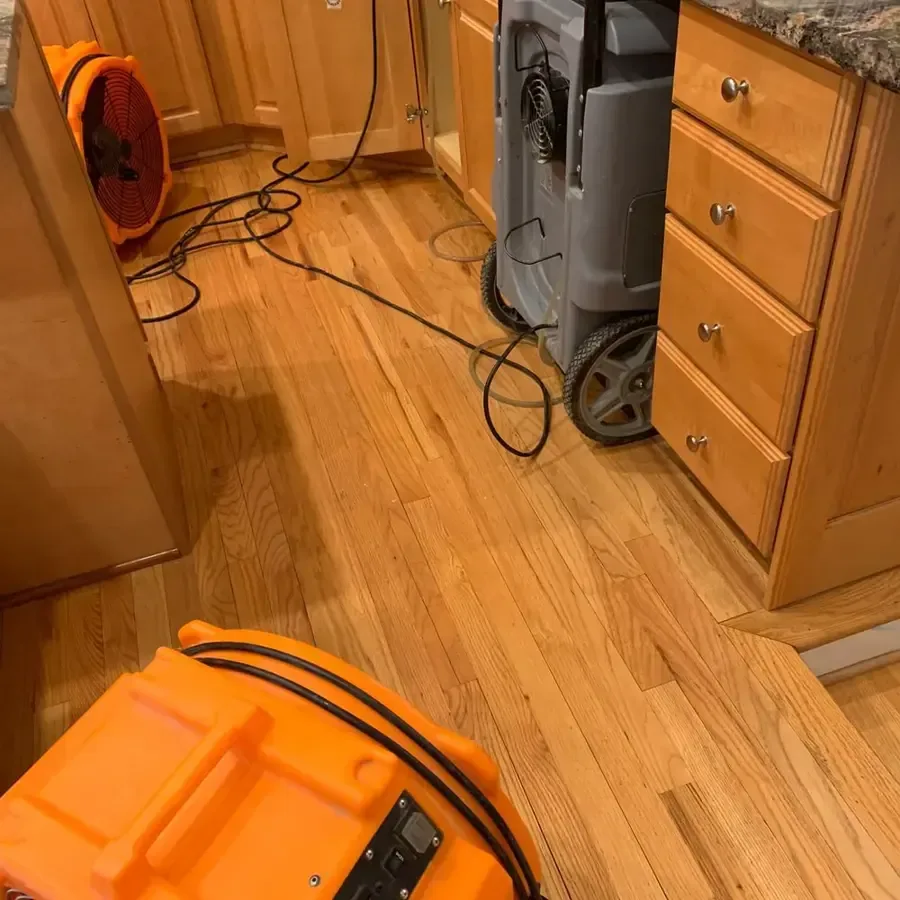
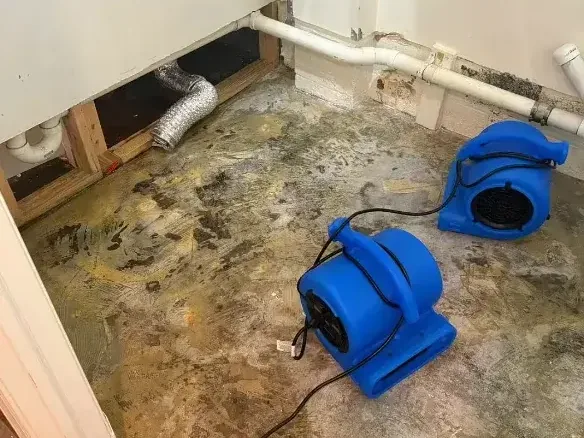
The estimate should explain the wet materials
An effective scope connects each cleanup task to an observed condition. Extraction, cleaning, selective opening and drying serve different purposes, and the property owner should understand what each proposed step will accomplish.
Keep the first decisions simple
- Avoid wet electricity. Keep occupants away from outlets, cords and appliances that water has reached inside the affected room.
- Stop a safe source. Close an accessible supply valve only when the route and the valve area are dry.
- Protect the walking route. Keep children and pets out of wet rooms and move foot traffic away from unstable finishes.
- Record from dry ground. Photograph visible damage and note when the water appeared without stepping into the flooded area.
- Describe the spread. List affected surfaces, adjoining rooms and any ceiling sagging before arranging assessment of the property.
Cleanup for the water actually present
The right starting point depends on where water came from and what absorbed it. Select the affected fixture, building area or cleanup task for more detail.
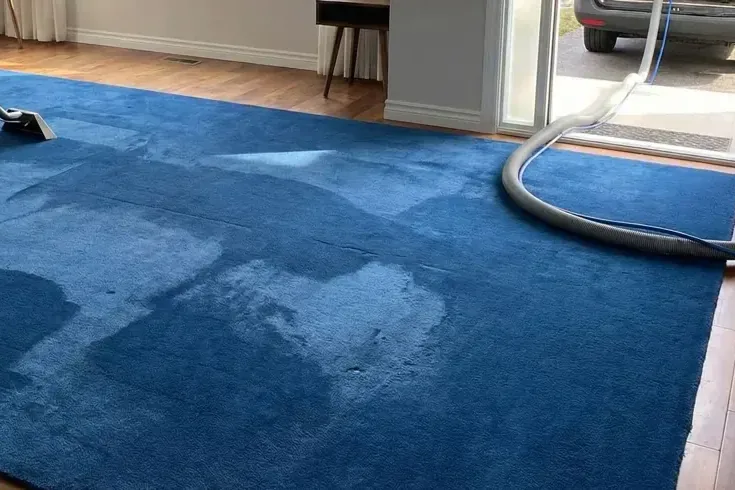
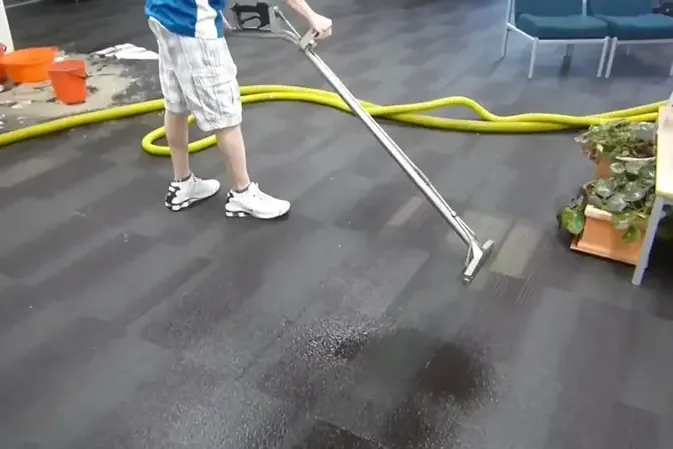 Water ExtractionPooled water needs a removal route that also accounts for soaked carpet edges and adjoining rooms.See water removal steps
 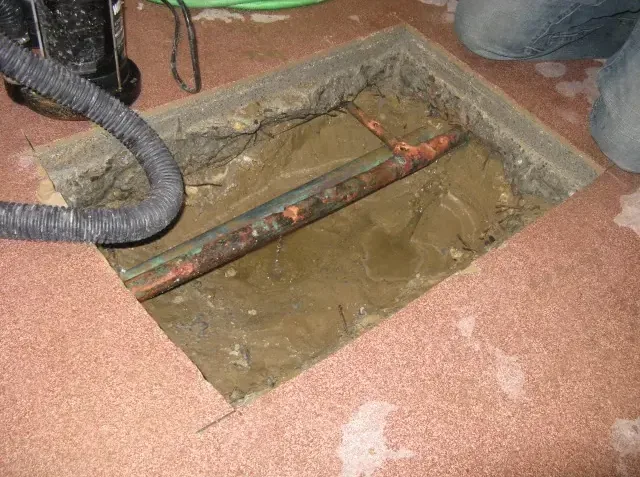 Slab Leak Water DamageDamp flooring above concrete calls for moisture mapping around the repaired pipe and beneath attached finishes.Plan drying below the floor
 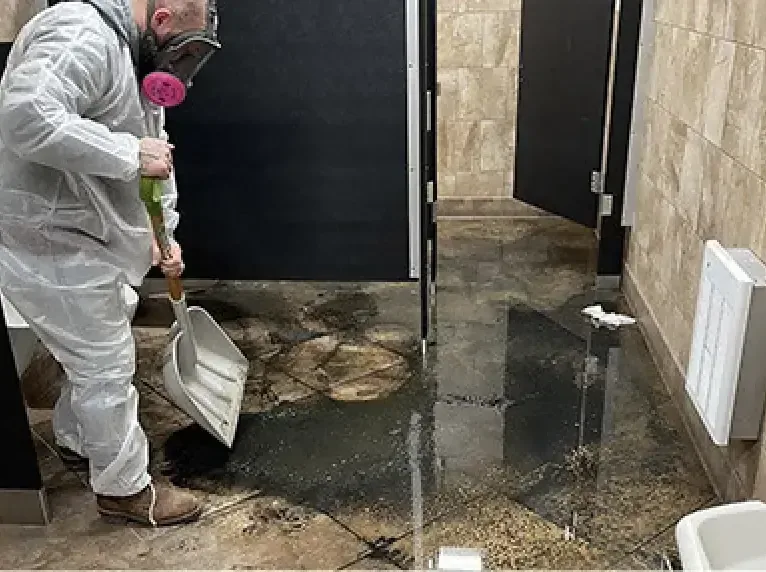 Sewage Backup CleanupA drain backup requires restricted access, controlled removal and cleaning suited to contact with contaminated water.Review sewage cleanup
  Burst Pipe Water DamageA pressurized pipe release can wet cavities well beyond the visible puddle before the supply stops.Trace a pipe release
 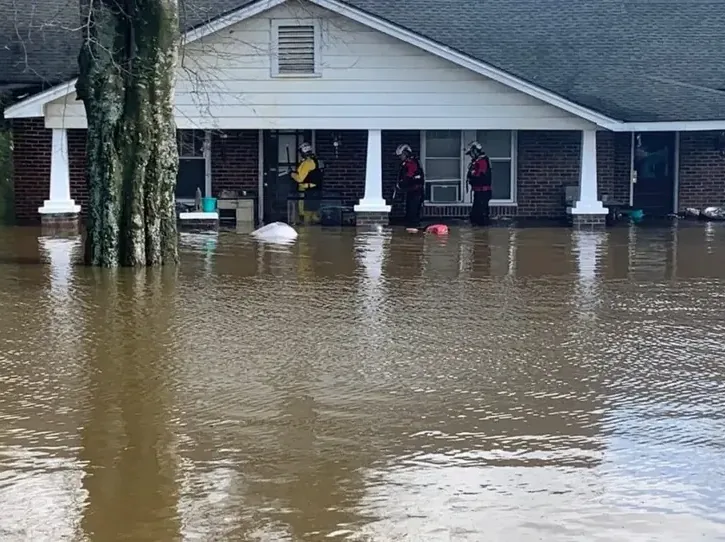 Storm Flood CleanupRainwater entering from outdoors can carry sediment into thresholds, floor seams and vulnerable wall edges.Assess floodwater damage
 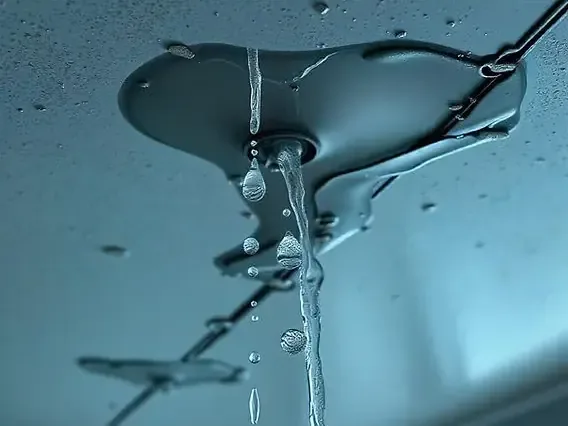 Roof Leak Water DamageAn overhead rain entry needs attention along the attic water path before ceiling finishes are replaced.Check rain entry and drying
 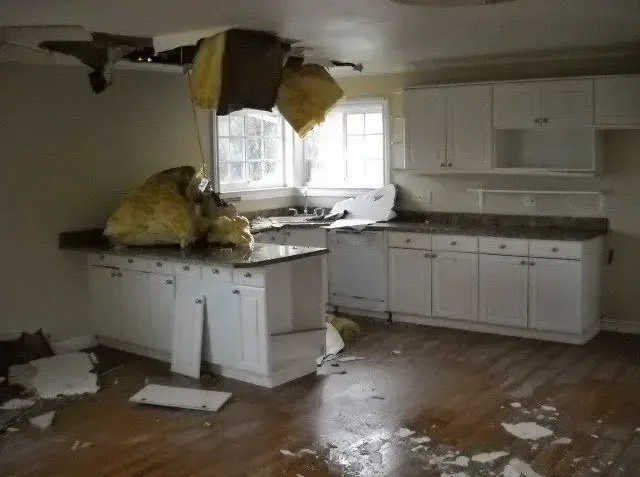 Ceiling Leak Water DamageStains, sagging surfaces and damp insulation need assessment above the ceiling as well as beneath it.Inspect overhead moisture
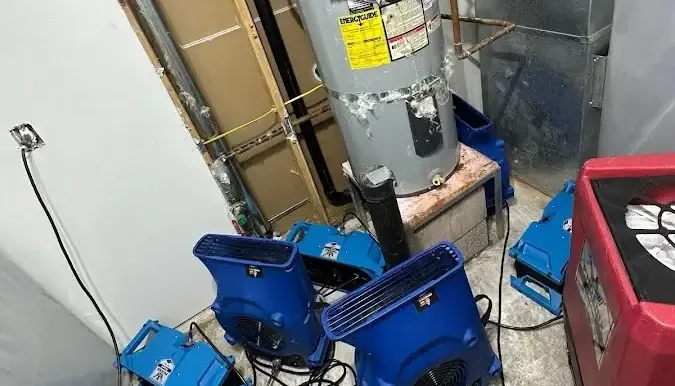
 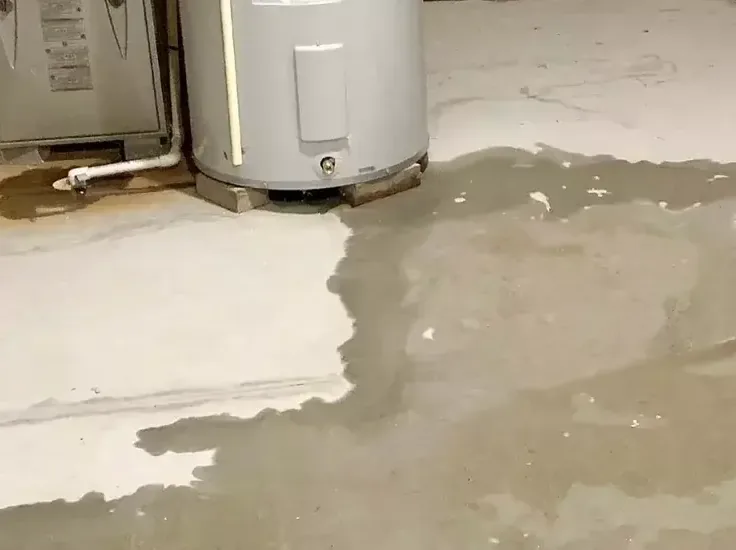 Water Heater Leak CleanupTank leakage can soak the equipment enclosure and adjoining floor even after the appliance has been isolated.Follow a tank spill
 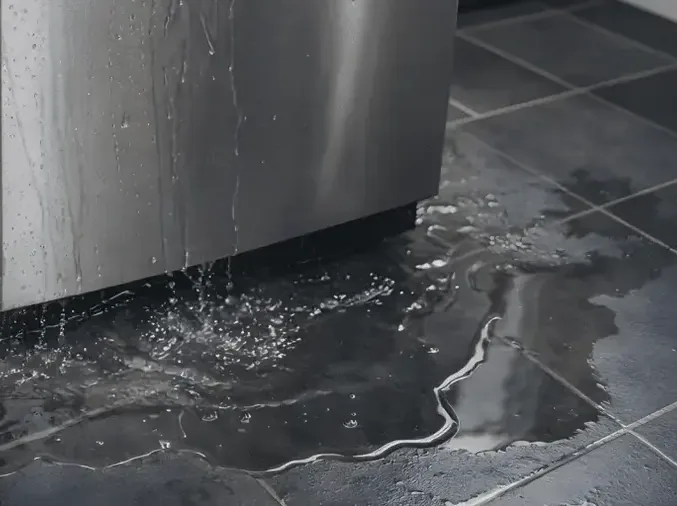 Appliance Leak Water DamageDishwasher and laundry leaks deserve inspection behind cabinets where a dry looking surface can conceal moisture.Find hidden appliance water
 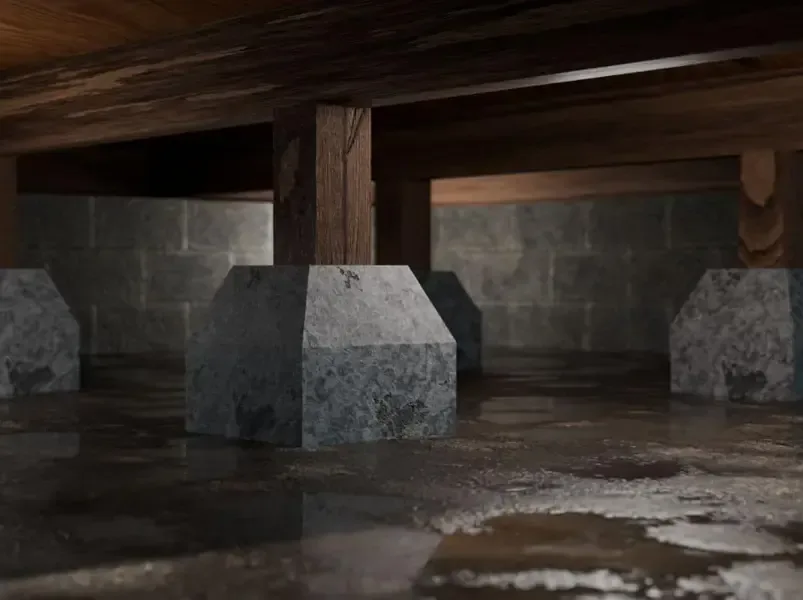 Crawl Space Water RemovalWater under a raised floor needs safe access and checks of insulation, supports and overhead framing.Plan underfloor water removal
 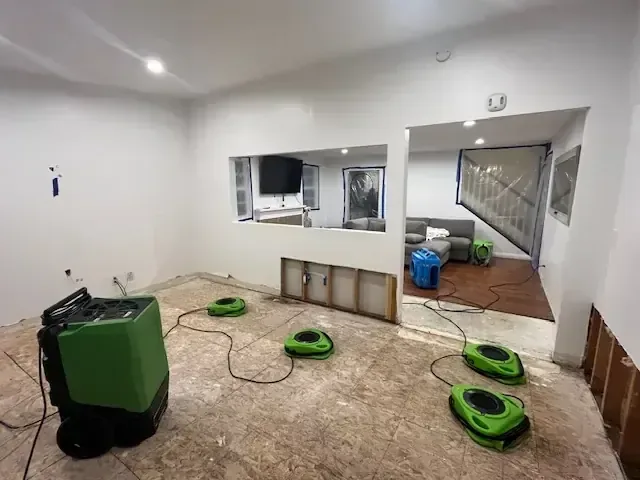 Structural DryingDrying equipment works toward material readings, with adjustments as moisture moves out of walls and floors.Understand the drying goal
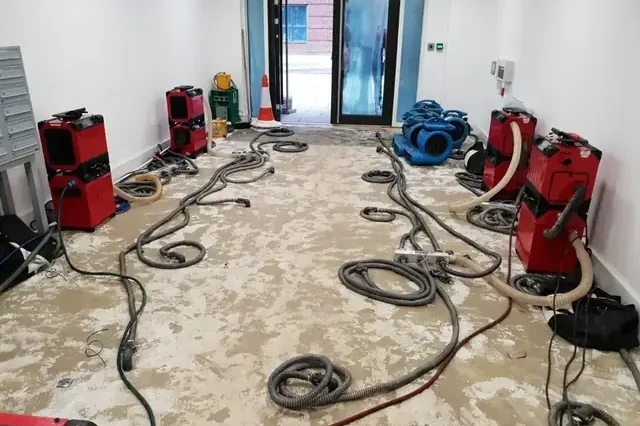
 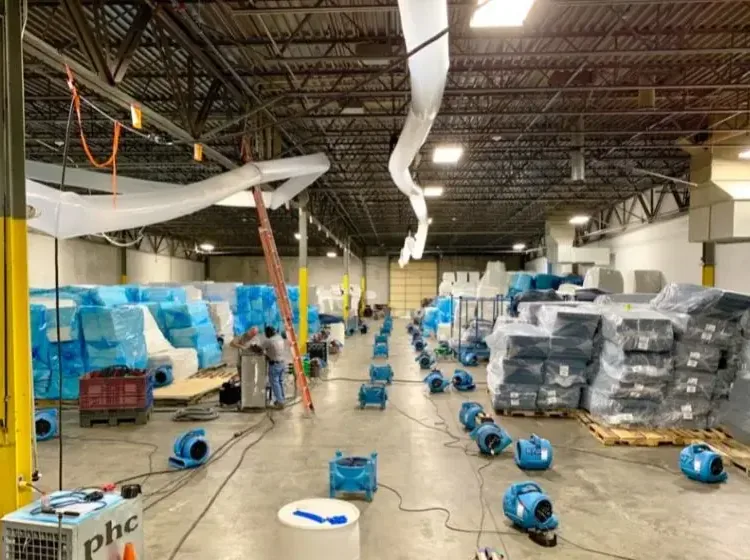 Commercial Water DamageBusiness cleanup needs a defined work area that accounts for stock, equipment and safe access routes.Coordinate business recovery
 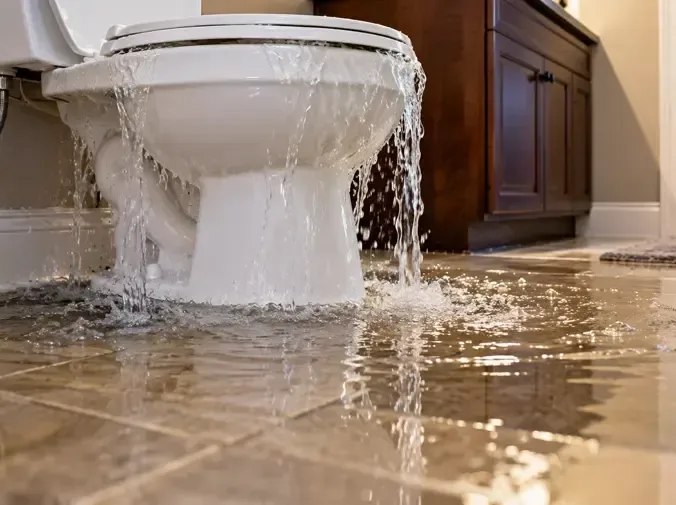 Toilet Overflow CleanupAn overflowing bowl and a leaking supply connection need different decisions about contamination and material handling.Compare overflow sources
 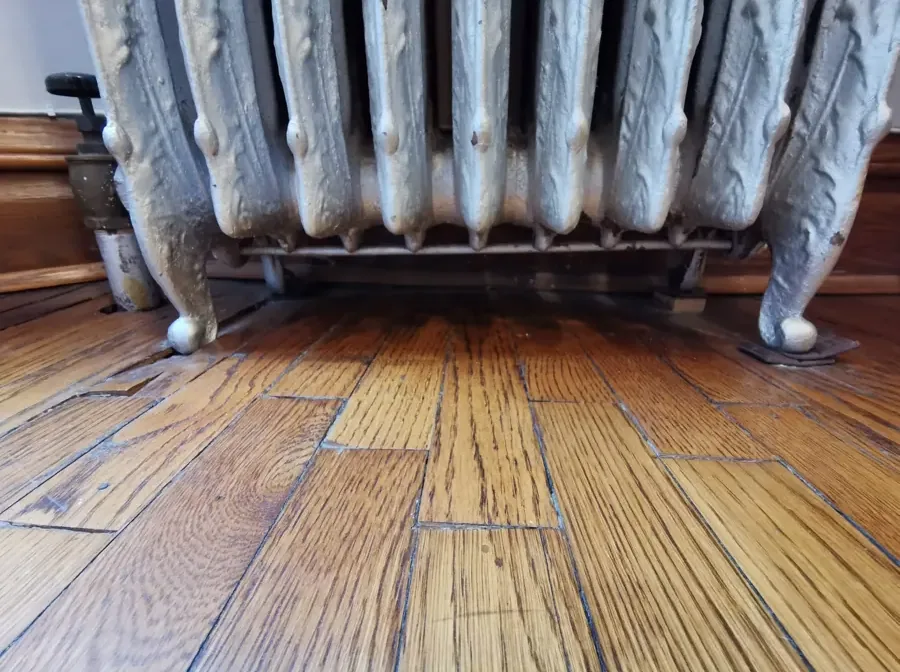 Hardwood Floor Water DamageWet wood boards need careful moisture assessment before sanding, refinishing or decisions about replacing individual sections.Review wood floor recovery
 Why Encino homeowners call for water damage help
Water source recorded
A description of the release helps determine handling precautions and separates plumbing repair from the building cleanup work.
Affected layers identified
Floor coverings, backing and wall edges receive attention together so an apparently dry surface does not hide an unfinished task.
Progress made visible
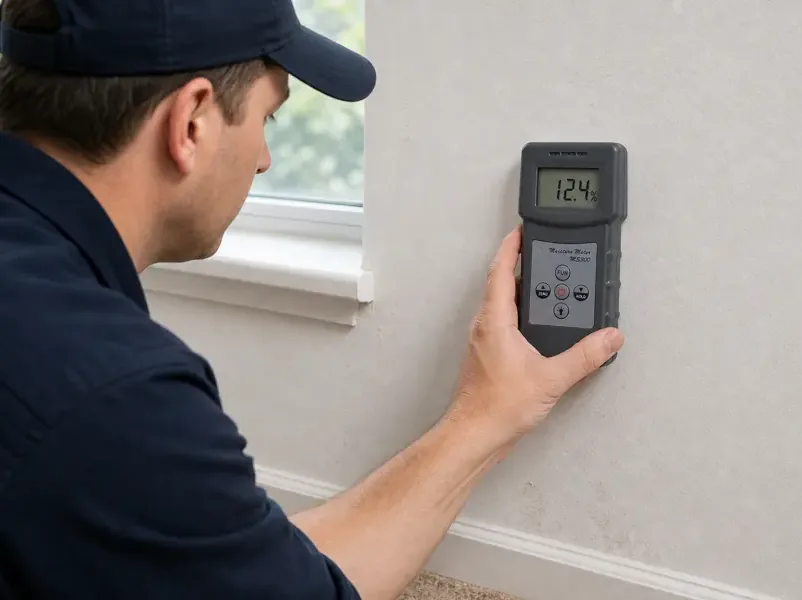
Dated moisture readings give the property owner a way to follow drying beyond the sound of equipment operating.
Next work explained
Completion notes should identify remaining finish repairs and any areas that still need access before the room can be closed.
A sequence that follows the water
The work should follow moisture through the building rather than stop at the room where it was noticed. Each stage provides information needed for the next decision about removal, cleaning or drying.
- 1
Locate the wet boundary
Initial checks compare affected surfaces with nearby dry areas and record where water crossed a doorway, wall base or other material transition.
- 2
Remove what cannot remain
Standing water is collected, and damaged or contaminated materials are evaluated before removal opens the remaining assembly for cleaning and moisture release.
- 3
Control the drying environment
Equipment placement supports airflow over wet materials while dehumidification manages moisture in the room and repeated readings show how the structure responds.
- 4
Prepare the repair handoff
Final documentation records material condition, equipment removal and outstanding finish work so reconstruction starts with a clear account of the cleanup that occurred.
Water appearance alone cannot set the scope
Supply water escape
An indoor supply release needs prompt removal and checks of every material along its travel path.
See extraction decisionsEquipment water release
Appliance water may travel behind enclosures, making hidden floor edges part of the cleanup assessment.
Explore appliance cleanupDrain water intrusion
Water returning through a drain needs controlled handling, protective separation and decisions about contaminated absorbent materials.
Understand sewage handlingWhat changes water damage costs in Encino?
An Encino cleanup estimate depends on water spread, material access and contamination. A contained spill costs differently from moisture behind finished walls, so the written scope should explain the affected layers before equipment is selected.
Small contained loss
$1,000 to $2,000
- Accessible wet surfaces
- Limited removal needs
- Focused material drying
Connected wet spaces
$2,000 to $4,500
- Several room edges
- Concealed moisture checks
- Broader equipment arrangement
Extensive material involvement
$4,500 to $7,500
- Difficult access conditions
- Multiple saturated assemblies
- Detailed removal planning
These planning ranges describe cleanup scope rather than a property quote. Source repairs, replacement finishes and unusual access requirements should appear separately so the owner can understand the proposed work.
Documents for the property file
Photographs and an itemized work description help explain a water loss. Coverage decisions belong to the policy provider, while cleanup records should describe the source, affected materials and completed tasks.
- Photographs showing water before items are moved
- Notes about the first signs of leakage
- Receipts for completed source repair and cleanup
- A room list identifying affected building materials
- Dated drying readings and the completion documentation
Paying directly for cleanup
A property owner paying directly can request a scope that separates urgent removal from later repairs. This makes the immediate work easier to understand before approval.
Ask how additional hidden moisture will be documented if opening a surface reveals more damage. Any changed work should have a clear explanation and an updated price.
Location details that help plan access
Named roads in the community
Listed ZIP areas
Other service areas
Describe the entrance and the affected space
For an Encino property, include the entrance used by occupants and any obstruction between that entrance and the wet room. Access details help determine where equipment can be placed.
Mention stairs, locked storage areas or a ceiling that appears unstable. The first conversation should also distinguish an active release from water remaining after the source has stopped.
Encino, CA · [email protected]
See the surrounding service area(888) 578-6508 Explain the property accessSurfaces and equipment involved in a cleanup
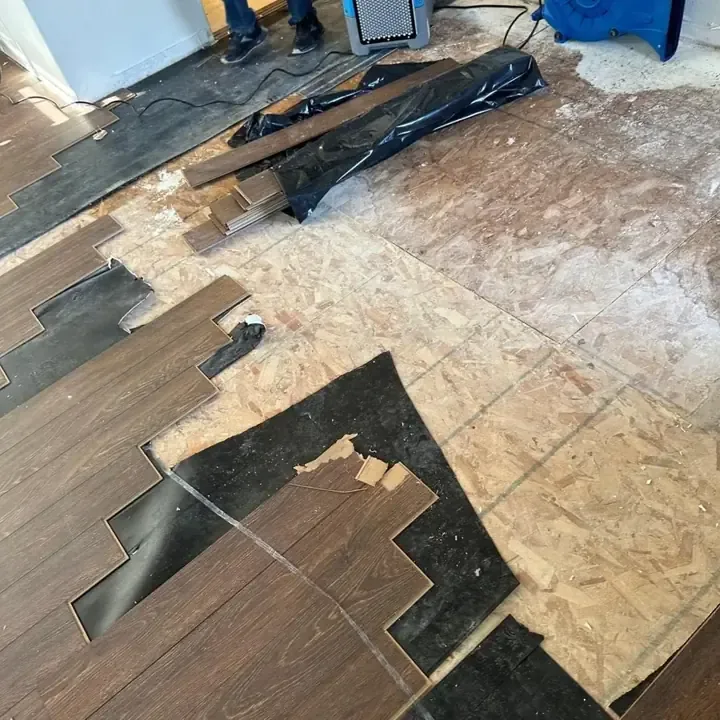
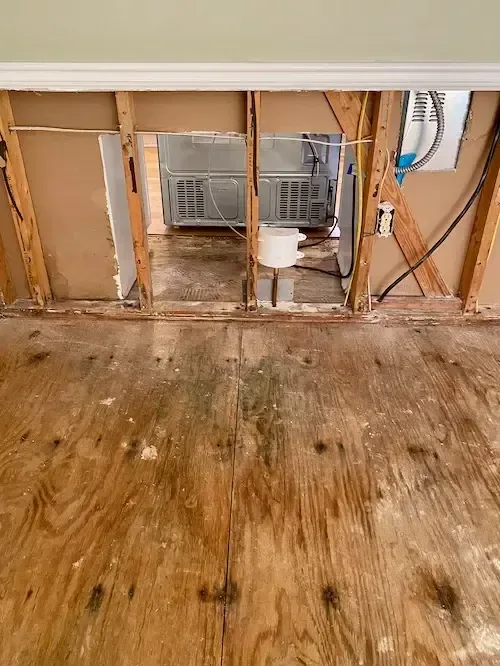
Separate the source from the damage
Encino has experienced documented utility water releases as well as individual property leaks. Identifying the current source matters because outside water, appliance discharge and a bathroom backup call for different handling decisions.
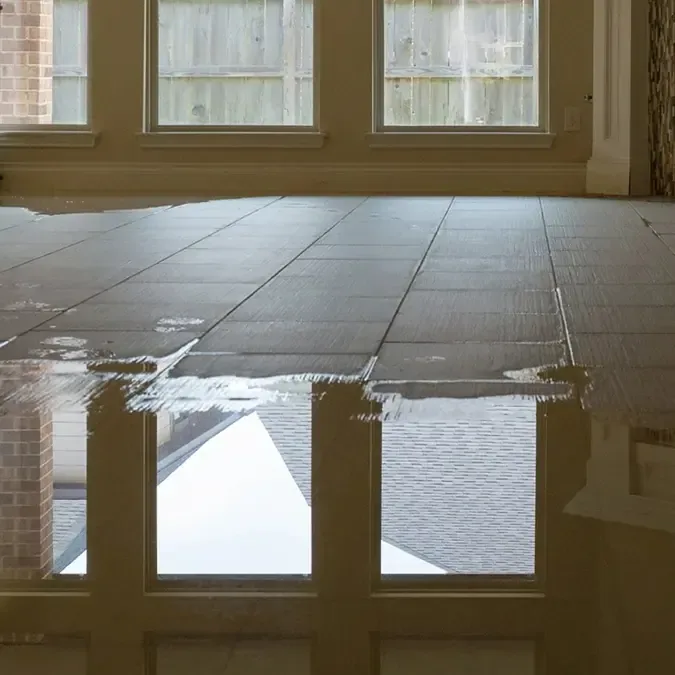
June 8, 2017: A Ventura Boulevard main rupture near Haskell Avenue flooded surrounding streets and affected at least seven businesses, showing how an outside release can disrupt occupied premises.
Outside water entry
A September 8, 2014 main rupture sent water into backyards. At an affected property, thresholds and lower wall edges need careful inspection after outside water enters.
Concealed indoor travel
Water from a fixture can run beneath flooring before a visible stain forms. Check the connected materials rather than treating the visible puddle as the whole loss.
Different building materials
Los Encinos State Historic Park preserves the de la Ossa Adobe and the stone Garnier building. Material identification also matters when planning work inside an individual property.
Contamination changes handling
Drain water or dirty outside water requires separation from occupied areas. Absorbent finishes need assessment before routine drying equipment is put into service.
A source still flowing
Removing pooled water cannot compensate for an ongoing release. The responsible repair professional needs clear information about the fixture or supply problem while cleanup is arranged.
Questions before arranging water damage work
Does a small puddle need the surrounding floor checked?
Yes. A floor covering can channel water away from the visible edge, especially where seams or cabinet bases interrupt the surface. Moisture checks around the puddle help determine whether removal alone is enough or concealed materials need drying.
What information helps identify the right cleanup service?
The useful starting points are the source, the affected room and the surfaces that became wet. Mention dirty water, a swollen ceiling or wet electrical equipment immediately. A clear description helps separate an urgent safety concern from routine access planning.
Can occupants keep using a wet room?
Use depends on the condition of the room. Wet electrical areas, unstable overhead materials and sewage contamination require separation. Even a clean supply spill can create a slippery walking route, so access should remain restricted until the area is assessed.
Is shutting off the water the end of the work?
Stopping the source prevents further release, but absorbed water can remain in wall bases, floor backing and enclosed spaces. Cleanup addresses that remaining moisture. The repair and restoration tasks should both be documented so neither is mistaken for the other.
How does a crew decide that materials are dry?
Repeated readings are compared with suitable dry reference materials and the drying objective for the assembly. Room air alone cannot show whether a concealed layer has dried. Equipment should remain tied to material progress rather than an arbitrary calendar date.
Will every wet finish have to be removed?
Removal depends on contamination, physical damage and access for drying. Some intact materials can remain while others prevent moisture from escaping or cannot be cleaned adequately. The scope should explain the reason for each removal instead of treating every surface identically.
Does a cleanup estimate include replacing the damaged finishes?
An estimate should state which activities it includes. Water collection, cleaning and drying may be separate from plumbing work, flooring replacement or repainting. Itemized descriptions make it easier to compare the proposed work and understand what remains after the drying stage.
Which records should stay with the property owner?
Keep photographs, the source repair description, cleanup invoices and any material readings supplied during the work. A record organized by room helps explain the loss later. Coverage questions can then be directed to the policy provider with the relevant documents available.
Make the first conversation useful
Describe what became wet, when it happened and whether water is still entering. Those details help define the next assessment step.
(888) 578-6508 Discuss the damage detailsStart with a clear picture of the wet space
A description of the source, affected materials and access conditions helps turn visible water damage into an organized cleanup scope.
(888) 578-6508 Talk through the cleanup needs