Storm Flood Cleanup in Encino
Mud at a doorway changes the cleanup conversation. Storm flood work in Encino considers the outside water path, deposited debris and every lower surface reached before removal and drying methods are chosen.
(888) 578-6508 Discuss rainwater inside the property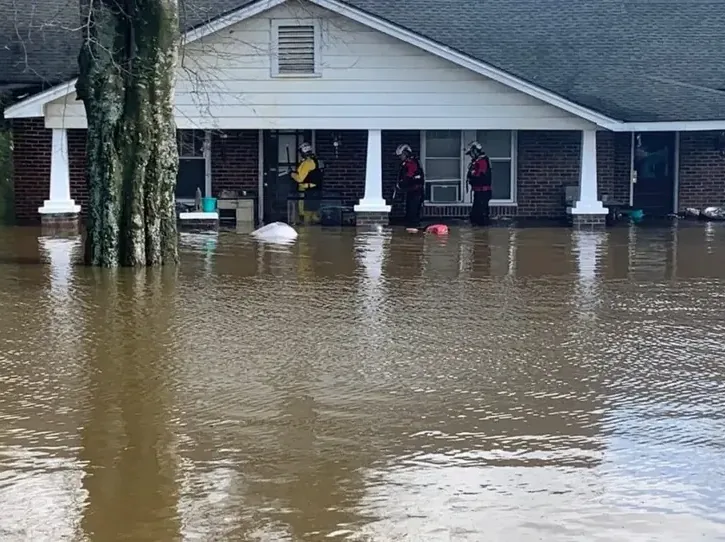
Outside water can leave a room wet and dirty at the same time. Sediment settles beneath furniture, against baseboards and inside floor joints, so simple evaporation cannot complete the cleanup. At an Encino property affected during rain, observations about the entry point help organize removal without losing track of the materials the water contacted on its way inside.
First steps for storm flood cleanup
- Stay outside unsafe water. Avoid entering water near electrical equipment or unstable surfaces, and keep occupants on a dry route away from the affected entrance.
- Capture the entry clues. Photograph water marks and deposited debris from a safe position before movement or cleaning changes the visible route through the property.
- Describe continuing intrusion. Report whether rainwater is still entering and which openings are involved so interior removal can be coordinated with source control needs.
- Keep dirty contents together. Leave affected rugs and stored belongings within the wet area until handling decisions prevent them from spreading residue into dry rooms.
How storm flood cleanup progresses
- 1
Connect openings with affected rooms
Assessment follows entry through thresholds and room transitions, documenting sediment, contents contact and lower wall involvement before choosing the cleanup layout.
- 2
Plan controlled removal access
A work route separates occupied space from collection and disposal, with handling planned around wet floors and the available dry entrance to the property.
- 3
Clear deposits and expose wet layers
Collected water and debris are followed by surface cleaning and necessary finish removal to reach retained moisture within the lower portions of the building.
- 4
Follow the material drying response
Readings track walls and floors, while adjustments address slow areas and the final record separates restoration work from remaining exterior repairs at the entry.
Record the route while the signs remain visible
A threshold mark, debris deposit or wet lower wall can help identify how water entered. Photographs taken from a safe position preserve those details before collection and cleaning change the scene. Report each affected opening and whether water is still coming through it. Exterior repair or drainage assessment may need coordination with the interior restoration work.
For location context, Los Encinos State Historic Park includes a natural spring and a spring fed pond. Its visitor entrances are on Ventura Boulevard and Moorpark Street. The cleanup assessment belongs at the affected property: inspect its own thresholds, room connections and lower finishes to determine the route taken by the current intrusion.
Dirty water needs more than a drying machine
Water arriving from outdoors may carry debris into absorbent surfaces. Collection should be followed by a material assessment and cleaning of exposed areas. Damaged porous finishes can require removal so contaminated residue and hidden moisture become accessible. Contents handling also matters because moving a wet rug through another room can extend the affected boundary.
- Keep foot traffic away from sediment deposits until a controlled entrance and removal route have been marked.
- Report water inside closets or behind stored belongings where a quick look from the doorway might miss it.
- Separate clean belongings from objects contacted by outside water without dragging wet items through the occupied area.
- Leave swollen floor edges visible for assessment instead of covering them with rugs or temporary protective panels.
Work upward from the floor connections
After collection and cleaning, lower wall materials and floor layers may still retain water. Drying needs access to those assemblies and measurements that show whether they are responding. The apparent end of rainfall does not end the restoration task inside the building.
Water extraction and controlled cleaning prepare the affected materials for the remaining dry out. Completion notes should identify retained materials, any discarded finishes and the exterior problem that still requires attention. This separates the work needed to restore the room from work needed to reduce repeat entry through the same opening.
Discuss the wet materials before repairs
Describe the doorway or wall where rainwater entered and the residue left behind. A focused assessment can connect collection, cleaning and drying to the actual route through the building.
(888) 578-6508 Assess the rainwater entry damageWhat does storm flood cleanup cost in Encino, CA?
Storm flood cleanup in Encino depends on entry area, sediment and affected materials. Wider spread adds handling and drying work, while concealed residue or difficult access can increase the scope beyond a simple floor cleanup.
Limited outside entry
$2,500 to $4,000
- Contained threshold spread
- Accessible debris removal
- Lower surface cleaning
Several affected rooms
$4,000 to $7,000
- Connected wet finishes
- Broader contents handling
- Multiple drying areas
Extensive flood loss
$7,000 to $10,000
- Complex material removal
- Difficult concealed residue
- Expanded restoration planning
The figures describe typical work scopes, not a quote. Water category, affected area, access and the time before drying change the scope. Compare the inputs in the water damage cost calculator.
Documentation for your insurance claim
The restoration contractor records the water source, affected rooms and moisture readings before removal begins. Timestamped photographs show damaged materials and the reason for opening a wall or lifting a floor. Daily temperature, humidity and material readings document progress against a dry comparison area. An itemized scope separates extraction, disposal, cleaning and equipment use from plumbing repairs and finish replacement. The property owner keeps invoices and the initial discovery details with that record. An insurer evaluates coverage under the actual policy; a sudden plumbing release, outside flooding and a sewer backup can receive different treatment. The adjuster decides coverage, and the homeowner checks deductibles, exclusions and any applicable endorsements directly with the insurer.
Daily measurements support the IICRC S500 drying goal. The drying crew compares similar materials and investigates readings that stop improving before equipment leaves.
Storm flood cleanup in Encino
Describe the Encino property's wet entrance, accessible dry doorway and rooms reached by outside water. Photographs of sediment and water marks help map the starting cleanup boundary safely.
The same service nearby: storm flood cleanup in Valley Village, Sherman Oaks, Studio City.
All water damage services in Encino · View all service areas
Storm Flood Cleanup questions in Encino, CA
What matters most when describing rainwater inside?
Identify the opening where water appeared, the rooms it reached and whether it is still entering. Mention mud, leaves or other deposited material. Those observations help clarify the handling needs and connect the interior cleanup to any necessary exterior repair assessment.
Can outside water be treated like a sink spill?
Outside water has a different contact history and can bring debris into the building. The cleanup method should reflect that route and the affected materials. Collection alone leaves both absorbed moisture and surface residue for the next stages to address.
Should wet belongings be carried into a dry room?
Moving them without a handling plan can transfer dirty water and residue to another space. Keep affected items grouped within the controlled area when possible. Photographs and a contents list can document the condition before decisions about cleaning, movement or disposal.
Why inspect a wall above the visible water mark?
Absorbent building materials can draw moisture beyond the apparent surface boundary. Readings help determine the actual extent. The visible mark is useful information, but drying and removal decisions need an assessment of the material rather than a visual boundary alone.
Does interior cleanup fix the rainwater entry point?
The estimate should identify any separate exterior or drainage work. Interior restoration removes water, addresses affected materials and manages drying. Closing an entry route may require a different trade, with coordination needed while water is still getting into the room.
How is the room prepared for replacement finishes?
The remaining assembly needs cleaning, suitable moisture conditions and a clear record of removed materials. Replacement work should follow that preparation. Installing trim or flooring over unresolved wet layers can hide an incomplete cleanup task rather than finish the restoration.
A clear scope starts with the source
Describe the doorway or wall where rainwater entered and the residue left behind. A focused assessment can connect collection, cleaning and drying to the actual route through the building.
(888) 578-6508 Assess the rainwater entry damageClear the deposited debris and retained moisture
The room needs a material plan after outside water enters, including coordination of any remaining source repairs.
(888) 578-6508 Discuss the flood cleanup scope