Storm Flood Cleanup in Sherman Oaks
Mud at a threshold tells only part of the story after outside water enters. Sherman Oaks storm cleanup examines the entry route, deposited debris and building layers reached beyond the obvious wet floor.
(888) 578-6508 Discuss runoff inside the property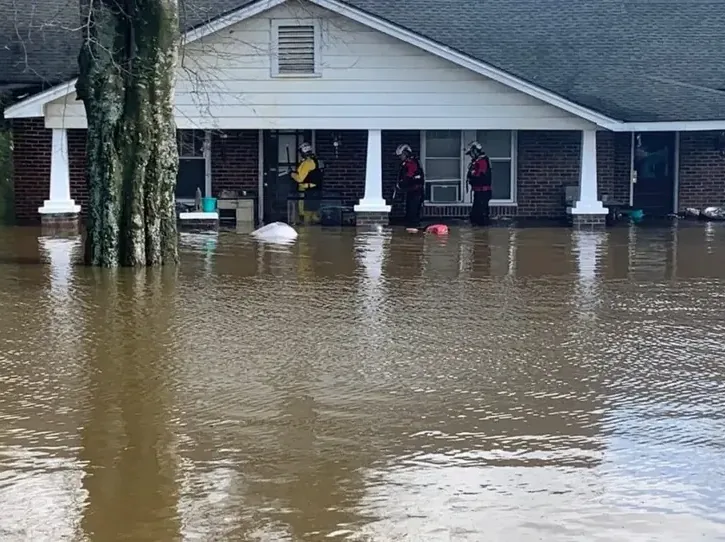
Outside water can leave sediment against a door while clearer looking moisture continues beneath the floor covering. A storm flood cleanup in Sherman Oaks must account for both. The visible deposit helps trace where water entered, but inspection needs to follow the spread through adjacent rooms and the lower parts of walls before a removal boundary is chosen.
First steps for storm flood cleanup
- Keep flooded routes closed. Avoid entering outside water around the building or crossing wet rooms where electrical conditions and debris hazards have not been assessed.
- Record the entry mark. Photograph the doorway, visible sediment and indoor spread only where a stable dry position allows documentation without exposure to moving water.
- Separate dry possessions. Protect unaffected belongings from splash and debris while leaving contacted items in place for assessment rather than carrying them into bedrooms.
- Describe continuing entry. Report whether water is still reaching the building and which opening appears involved so access and removal can be coordinated.
How storm flood cleanup progresses
- 1
Trace the intrusion sequence
The assessment connects outside entry observations with indoor water marks, affected contents and room boundaries to develop a practical cleanup and access plan.
- 2
Remove water and loose deposits
Liquid recovery and debris handling clear the affected space while protecting usable routes, with the water condition informing equipment selection and material handling.
- 3
Expose and clean affected layers
Coverings and damaged porous components are assessed for removal so retained surfaces and concealed recesses can receive the cleaning required before drying proceeds.
- 4
Measure and record the handoff
Moisture findings define the remaining drying work, while entry observations and replacement needs are retained for the trades responsible for exterior and interior repairs.
Identify the route before assigning the cause
The Los Angeles River follows the northern part of the community as a primarily concrete flood control channel, and Ernie's Walk provides channel access. For a property near Valleyheart Drive, the relevant cleanup questions concern the water actually observed at the building: which opening admitted it, which surfaces it crossed and whether entry has stopped.
Sherman Oaks also includes part of the Santa Monica Mountains, with Mulholland Drive forming the southern council boundary. A building's ground level and doorway arrangement should be inspected directly. Outside water from a broken public main requires its own source account rather than being described automatically as storm runoff.
- Photograph sediment marks and threshold damage from a safe position before cleaning removes the visible entry pattern.
- Identify rugs, stored cartons and other absorbent contents that contacted outside water so their handling can be planned.
- Check wall bottoms and adjoining closets where moisture may have traveled beyond the area carrying obvious mud deposits.
- Keep wet debris away from usable rooms while the removal route and temporary work boundary are marked.
Give cleaning access the same attention as pumping
Floodwater can leave residue in joints and beneath floor coverings. An exposed tile surface may be washable while a wet layer below it needs a different decision. The restoration scope should explain the material condition, contamination concerns and access required, rather than measuring the job only by the liquid visible when the crew arrives.
In Magnolia Woods, as elsewhere, the actual floor construction matters more to that decision than the room's appearance. The assessment identifies what can be cleaned and retained and what must be removed to reach the affected structure.
Connect the interior work with entry correction
Drying can proceed once the relevant cleanup and access work allow retained materials to be treated. The record should preserve the entry observations for the trade addressing the exterior problem. Structural drying then follows the moisture remaining inside the building.
Closing the project requires more than a clear floor. Retained materials need documented assessment, removed components need a replacement scope and the water entry problem needs a responsible repair plan.
Discuss the wet materials before repairs
Describe the opening where water entered, any visible debris and the rooms reached afterward. These details help organize removal, material assessment and the repair information needed to prevent another intrusion.
(888) 578-6508 Discuss the outside entry routeWhat does storm flood cleanup cost in Sherman Oaks, CA?
Storm flood cleanup in Sherman Oaks depends on debris, affected materials and access beneath finishes. These ranges describe interior cleanup scopes; correcting the entry problem and replacing damaged components should be itemized separately.
Limited outside entry
$2,500 to $4,000
- Focused threshold spread
- Accessible debris
- Limited retained surfaces
Several affected rooms
$4,000 to $7,000
- Connected wet spaces
- Broader material handling
- Expanded cleaning access
Extensive flood loss
$7,000 to $10,000
- Widespread affected finishes
- Difficult concealed areas
- Complex drying arrangement
The figures describe typical work scopes, not a quote. Water category, affected area, access and the time before drying change the scope. Compare the inputs in the water damage cost calculator.
Documentation for your insurance claim
The restoration contractor records the water source, affected rooms and moisture readings before removal begins. Timestamped photographs show damaged materials and the reason for opening a wall or lifting a floor. Daily temperature, humidity and material readings document progress against a dry comparison area. An itemized scope separates extraction, disposal, cleaning and equipment use from plumbing repairs and finish replacement. The property owner keeps invoices and the initial discovery details with that record. An insurer evaluates coverage under the actual policy; a sudden plumbing release, outside flooding and a sewer backup can receive different treatment. The adjuster decides coverage, and the homeowner checks deductibles, exclusions and any applicable endorsements directly with the insurer.
Daily measurements support the IICRC S500 drying goal. The drying crew compares similar materials and investigates readings that stop improving before equipment leaves.
Storm flood cleanup in Sherman Oaks
Storm related water assessments extend across Magnolia Woods, the Mulholland Drive area and properties near Valleyheart Drive, with the observed building entry route setting the scope of interior cleanup.
The same service nearby: storm flood cleanup in Valley Village, Encino, Studio City.
All water damage services in Sherman Oaks · View all service areas
Storm Flood Cleanup questions in Sherman Oaks, CA
Should outside water be treated like a tap spill?
Outside water can collect debris and contaminants before entering a room. Its handling depends on the exposure and affected materials, not simply its color. The assessment should specify an appropriate cleanup approach before household fans or ordinary cleaning spread residue through occupied spaces.
Why preserve photos of mud at the doorway?
The deposits may help explain the entry route and the height of water against affected finishes. Cleaning changes that appearance. Photos taken safely can support the scope and give the exterior repair trade useful information about where the interior loss began.
Can tile stay after floodwater enters?
The condition of the tile assembly matters. Cleanup beneath a tiled floor includes checking the adhesive, underlayment and adjacent wall edge for water that passed through joints. Inspection should determine where water traveled and whether cleaning and drying can reach the affected layers while the covering remains in place.
Does living near the river determine the cleanup?
The observed water source and building damage determine the restoration work. A property's location provides context, while entry marks, water condition and material readings reveal the actual loss. The scope should describe what happened at the building and what is needed to restore it.
Who addresses the opening that admitted water?
The cause may require an exterior repair trade or another responsible party, depending on the observed defect. Interior restoration should preserve those findings and identify the source work separately. Coordinating that repair helps prevent another intrusion from interrupting the drying process.
What happens to wet cartons and stored belongings?
Items that contacted outside water need assessment based on material, contamination and condition. Absorbent packaging can shelter moisture and residue underneath. Handling should keep affected contents away from usable rooms and document decisions before disposal or movement removes the original evidence of contact.
A clear scope starts with the source
Describe the opening where water entered, any visible debris and the rooms reached afterward. These details help organize removal, material assessment and the repair information needed to prevent another intrusion.
(888) 578-6508 Discuss the outside entry routeClear the path from intrusion to repair
Interior cleanup should leave a readable record of the source and affected layers.
(888) 578-6508 Plan the storm loss assessment