Structural Drying in Sherman Oaks
A room can feel comfortable while its floor layers remain damp. Sherman Oaks structural drying uses material readings, controlled air movement and moisture removal to bring retained building components toward a documented repair condition.
(888) 578-6508 Discuss the retained material readings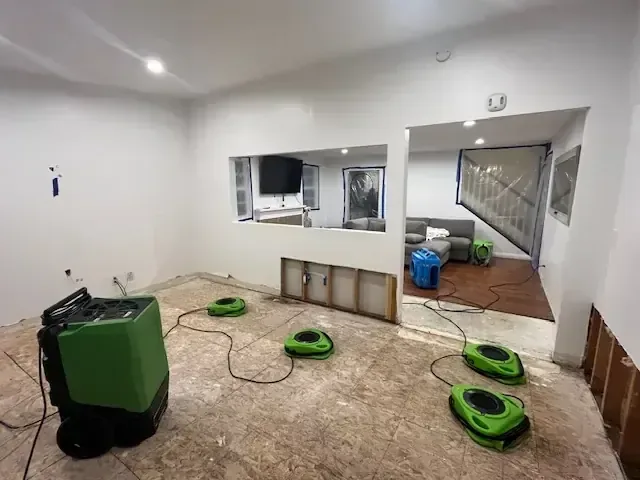
Drying is a material process, not simply a room full of running equipment. Paint, wood, concrete and enclosed layers release moisture differently, and a surface that feels dry can hide a slower area beneath it. Structural drying in Sherman Oaks should begin with a map of the retained assembly and a clear reason for each piece of equipment placed around it.
First steps for structural drying
- Resolve continuing water entry. Confirm source repair is addressed so new leakage cannot replenish moisture being removed from retained building materials during the drying process.
- Keep the setup intact. Avoid unplugging or redirecting equipment without coordinating the change, since airflow and humidity control depend on the planned arrangement within the treated space.
- Maintain access to readings. Leave identified measurement points and wet assemblies accessible so follow up checks can compare the same locations without moving stored belongings repeatedly.
- Report changes promptly. Report new damp patches or equipment interruptions so the drying plan can respond to changed conditions in the treated room.
How structural drying progresses
- 1
Draw the initial material map
The assessment identifies retained layers, measures affected and suitable comparison areas, and records access limits to document the starting condition before equipment changes the environment.
- 2
Build a targeted equipment arrangement
Air movement and dehumidification are placed around the actual wet assembly, with practical power and access considerations that allow the treated space to function as planned.
- 3
Track progress and adjust access
Repeated readings show where moisture is declining and where it remains trapped, allowing equipment changes or selective openings to address the specific material that needs more attention.
- 4
Prepare the documented completion decision
The final record connects material readings with repair readiness, lists replacement work and identifies installation requirements still needing attention from the finish trade.
Start with materials and a comparison point
Magnolia Woods, the Los Angeles River corridor and the area toward Mulholland Drive offer different building settings. Inside any affected property, the useful measurements come from the actual walls, floor and framing. A suitable dry comparison helps interpret changes without treating every material as though it shares the same expected reading.
The initial record should identify the wet boundary, source repair status and material layers that remain. If a cabinet base or floor covering blocks access, that limitation needs a decision. More airflow in the room cannot automatically compensate for a sealed assembly holding moisture beneath the finish.
- Compare like materials and repeat readings at identifiable locations so progress can be understood across successive site visits.
- Check dense or concealed layers separately from exposed surfaces that may improve quickly once liquid water has been removed.
- Keep equipment routes and power arrangements organized so occupants can respect the drying setup without moving devices to reach doors.
- Record changes in the setup when readings stall, including any new access needed to reach retained damp components.
Balance air movement with moisture removal
Air movers help moisture leave exposed material, while dehumidification removes water vapor from the treated environment. The arrangement should suit the room and wet assembly rather than filling every available corner. Open windows, disconnected equipment or blocked air paths can change the conditions on which the plan depends.
Where liquid still collects, water extraction may need to precede or accompany drying. A wet reservoir under a covering can continue feeding moisture into the structure and prevent consistent progress at the surfaces being measured.
Use the endpoint to prepare the repair scope
The completion decision should consider the retained materials and the finish that will cover them. A flooring installation may need a different form of assessment from an exposed framing check. The final record should explain which areas were measured and which installation requirements still belong with the repair trade.
Drying also does not restore every damaged component to usable condition. Swollen cabinet material or deteriorated wallboard may still need replacement after surrounding moisture improves. A clear handoff separates those material losses from the successful drying of the components that remain.
Discuss the wet materials before repairs
Describe the wet materials, openings already made and any equipment currently operating. The drying assessment can then provide a useful starting record and a clear endpoint for the components intended to remain in the building.
(888) 578-6508 Discuss the drying measurement planWhat does structural drying cost in Sherman Oaks, CA?
Structural drying in Sherman Oaks varies with material density, concealed access and the equipment arrangement needed. These ranges describe common drying scopes; removal, source repair and replacement finishes should be clearly separated in the written estimate.
Limited exposed materials
$1,000 to $1,800
- Accessible wet surfaces
- Focused equipment layout
- Simple monitoring points
Several wet assemblies
$1,800 to $3,400
- Different retained materials
- Additional room treatment
- Broader reading map
Dense or concealed moisture
$3,400 to $5,000
- Difficult moisture access
- Specialized drying arrangement
- Detailed repair handoff
The figures describe typical work scopes, not a quote. Water category, affected area, access and the time before drying change the scope. Compare the inputs in the water damage cost calculator.
Documentation for your insurance claim
The restoration contractor records the water source, affected rooms and moisture readings before removal begins. Timestamped photographs show damaged materials and the reason for opening a wall or lifting a floor. Daily temperature, humidity and material readings document progress against a dry comparison area. An itemized scope separates extraction, disposal, cleaning and equipment use from plumbing repairs and finish replacement. The property owner keeps invoices and the initial discovery details with that record. An insurer evaluates coverage under the actual policy; a sudden plumbing release, outside flooding and a sewer backup can receive different treatment. The adjuster decides coverage, and the homeowner checks deductibles, exclusions and any applicable endorsements directly with the insurer.
Daily measurements support the IICRC S500 drying goal. The drying crew compares similar materials and investigates readings that stop improving before equipment leaves.
Structural drying in Sherman Oaks
Drying assessments include properties near the Los Angeles River, the Mulholland Drive area and Magnolia Woods, with equipment and monitoring based on indoor materials, access and measured moisture conditions.
The same service nearby: structural drying in Valley Village, Encino, Studio City.
All water damage services in Sherman Oaks · View all service areas
Structural Drying questions in Sherman Oaks, CA
Why can a dry feeling wall still need treatment?
The exposed face may improve before the interior layers release their moisture. The technician checks moisture at suitable depths and records the response of framing and concealed finishes. Appropriate measurements and access observations help distinguish a dry surface from an assembly that still needs treatment before it is closed or refinished.
Does adding more fans always make drying faster?
Effective drying depends on the material, access and the balance between air movement and moisture removal. Extra airflow cannot reach a sealed wet layer automatically. The setup should respond to readings and the room environment rather than treating equipment quantity as a substitute for assessment.
Can windows remain open during dehumidification?
The drying plan may rely on controlling the treated environment. Opening windows can introduce conditions that change equipment performance. Occupants should coordinate ventilation changes with the restoration team so comfort needs and room use do not unintentionally disrupt the process being measured and adjusted.
How are repeated measurements compared?
Readings should be tied to identifiable locations and appropriate materials, with suitable dry references where available. Keeping those points consistent makes progress easier to interpret. The record can then show whether a retained layer is improving or needs different access or equipment placement.
Does reaching the drying target eliminate replacement work?
No. A material may be dry but permanently distorted, delaminated or otherwise damaged. Drying and usability are separate decisions. The final scope should identify sound retained components alongside items that still require replacement so finish repairs address the actual condition of the assembly.
What should the next repair trade receive?
The handoff should include measured areas, retained materials, source repair status and outstanding replacement needs. It should also identify any finish specific installation assessment still required. These details help the repair trade prepare the surface without relying only on the removal of drying equipment.
A clear scope starts with the source
Describe the wet materials, openings already made and any equipment currently operating. The drying assessment can then provide a useful starting record and a clear endpoint for the components intended to remain in the building.
(888) 578-6508 Discuss the drying measurement planMake repair readiness a documented decision
Material readings should explain why the next stage can proceed.
(888) 578-6508 Arrange a retained material assessment