Structural Drying in Studio City
After liquid water is removed, the building can still hold moisture within its materials. Structural drying in Studio City uses a defined wet area, suitable access and repeat measurements to direct recovery.
(888) 578-6508 Discuss the retained moisture readings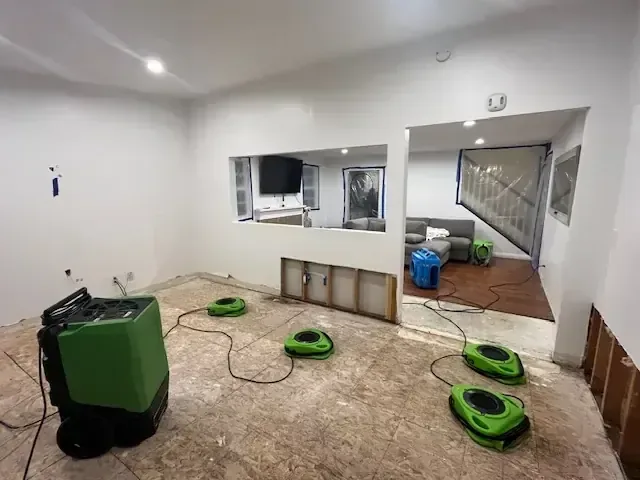
The disappearance of a puddle changes how a room looks, but it says little about water held deeper in a floor or wall. Structural drying starts with the materials that remain after extraction and necessary removal. Their construction, condition and exposure determine how moisture can leave them and where equipment needs to operate to support that process throughout the affected assembly.
First steps for structural drying
- Confirm source correction. Explain whether the release stopped and what repair was completed so the assessment begins with a clear account of source correction.
- Identify prior removal. Describe carpet, trim or wall material already removed, and preserve photographs showing the assembly before those access changes.
- Keep the setup accessible. Leave equipment paths and measurement locations clear so the drying arrangement can be inspected and adjusted without moving stored belongings through the work area.
- Report changed conditions. Mention new damp spots, recurring water or equipment interruptions so the plan can respond to changes that affect the remaining moisture in the structure.
How structural drying progresses
- 1
Record the material baseline
The assessment records affected material moisture and identifies locations for repeat checks, along with damage or contamination needing attention before the drying arrangement is finalized.
- 2
Match equipment to exposure
Air movement and dehumidification are selected around the retained materials and available access, with selective opening discussed where a finish prevents effective treatment of the wet layer underneath.
- 3
Measure and adjust the plan
Repeat readings identify progressing areas and locations needing different access or equipment placement. Adjustments then follow the material response instead of a fixed calendar.
- 4
Document readiness for repairs
The final condition record identifies retained materials and any outstanding preparation, giving the repair contractor a practical basis for installing finishes without concealing an assembly still requiring drying.
Define what is wet before counting equipment
The February 2024 debris flow on West Lockridge Road near Fryman Canyon Park damaged homes. Restoring wet building materials after water entry requires attention to both their condition and the access available for treatment. Contaminated surfaces need appropriate removal and cleaning before drying. Sound retained framing or subfloor materials can then be measured and incorporated into a clearly defined drying area.
At a property in Colfax Meadows, a useful drying plan identifies the assembly involved, rather than simply the room where equipment sits. A wall base, a layered floor and exposed framing can release moisture differently. Measurements at selected locations help distinguish progress from an area that remains wet because its access or treatment needs adjustment.
- Record initial readings in affected materials so later checks have a meaningful comparison within the same treated assembly.
- Explain selective access where retained layers prevent moisture release or obstruct measurements of the material that actually needs drying.
- Assess damaged components separately from damp but sound materials, since drying cannot reverse every form of swelling or separation.
- Coordinate source correction and necessary cleaning before directing equipment across the remaining wet structure inside the property.
Let material response shape the setup
Air movement helps moisture leave exposed surfaces, while dehumidification removes moisture from the surrounding air. Their arrangement should match the work area and the materials present. Equipment may need repositioning as accessible surfaces dry and deeper areas continue responding. A plan that includes repeat measurements gives those adjustments a practical basis and helps explain why treatment continues in specific locations.
- Keep the work area arranged as instructed so open doors or moved equipment do not disrupt the intended drying conditions.
- Check concealed floor edges when open surfaces improve but neighboring readings remain elevated within the connected assembly.
- Use water extraction first where accessible liquid remains available for physical removal from the affected room.
- Document changes in access and equipment placement so the project record explains the response to slower drying areas.
Close the project with a material condition record
For a property near Moorpark Street, the handoff to finish repair should identify the retained materials, relevant readings and any unresolved damage. Equipment removal follows that information. A dry feeling room and a running machine count are less useful than a clear account of how the affected assembly has changed during treatment.
Finish installation can proceed when the substrate and surrounding materials are suitable for that work. The drying record should give the next contractor a clear view of that condition and any remaining preparation required.
Discuss the wet materials before repairs
Moisture can remain after the room looks clear. Describe affected materials and previous removal so an assessment can define the drying area and checks needed for repair readiness.
(888) 578-6508 Arrange a retained moisture assessmentWhat does structural drying cost in Studio City, CA?
Structural drying costs in Studio City depend on the wet assemblies, access and equipment needed to maintain progress. These ranges distinguish exposed materials from more extensive or concealed moisture that requires a broader treatment arrangement.
Limited exposed materials
$1,000 to $1,800
- Focused area
- Direct access
- Material checks
Several wet assemblies
$1,800 to $3,400
- Connected surfaces
- Expanded setup
- Repeat adjustments
Dense or concealed moisture
$3,400 to $5,000
- Layered construction
- Selective openings
- Complex drying
The figures describe typical work scopes, not a quote. Water category, affected area, access and the time before drying change the scope. Compare the inputs in the water damage cost calculator.
Documentation for your insurance claim
The restoration contractor records the water source, affected rooms and moisture readings before removal begins. Timestamped photographs show damaged materials and the reason for opening a wall or lifting a floor. Daily temperature, humidity and material readings document progress against a dry comparison area. An itemized scope separates extraction, disposal, cleaning and equipment use from plumbing repairs and finish replacement. The property owner keeps invoices and the initial discovery details with that record. An insurer evaluates coverage under the actual policy; a sudden plumbing release, outside flooding and a sewer backup can receive different treatment. The adjuster decides coverage, and the homeowner checks deductibles, exclusions and any applicable endorsements directly with the insurer.
Daily measurements support the IICRC S500 drying goal. The drying crew compares similar materials and investigates readings that stop improving before equipment leaves.
Structural drying in Studio City
Structural drying serves Studio City properties around West Lockridge Road, Colfax Meadows and Moorpark Street, with equipment selected for the wet materials and access found during the assessment.
The same service nearby: structural drying in Valley Village, North Hollywood, Sherman Oaks.
All water damage services in Studio City · View all service areas
Structural Drying questions in Studio City, CA
How is drying different from removing standing water?
Extraction physically removes accessible liquid. Drying addresses moisture retained within the building materials after that removal. Both can be necessary in the same room. The drying plan should identify the affected assembly and use measurements to show how it responds once pooled water is gone.
Can equipment quantity predict how quickly a room dries?
Equipment quantity alone cannot describe the response of a particular assembly. Material density, access and retained moisture also matter. The useful measure is progress at the relevant locations, with equipment adjusted when readings show that the current arrangement is leaving part of the structure wet.
Should occupants switch equipment off when leaving home?
Equipment operation should follow the project instructions for the specific setup. Interruptions can alter drying conditions and make progress harder to evaluate. Discuss access, noise or electrical concerns with the cleanup contact so the arrangement can be addressed without silently changing the intended treatment during the work.
Why might a wall need opening during drying?
A finish can prevent airflow or moisture release from a wet layer behind it. Selective opening may also allow removal of damaged insulation or access for measurements. The reason should be explained in relation to the assembly so additional work has a clear purpose within the drying plan.
Can drying restore every material damaged by water?
Drying removes moisture from materials that remain suitable for treatment. It cannot necessarily reverse swelling, separation or loss of strength. The inspection should distinguish recoverable dampness from damage requiring replacement, then document those decisions before the owner plans installation of new finishes over the affected assembly.
What should the final drying documentation include?
It should identify the affected materials, locations checked, changes during treatment and the condition reached before equipment removal. Any remaining damage or preparation should also be stated. That record gives the next repair stage a clearer basis than a general statement that the room now looks dry.
A clear scope starts with the source
Moisture can remain after the room looks clear. Describe affected materials and previous removal so an assessment can define the drying area and checks needed for repair readiness.
(888) 578-6508 Arrange a retained moisture assessmentGive the repair stage a measured starting point
Documented material progress connects equipment use with a clear decision about the next work on the property.
(888) 578-6508 Discuss the structural moisture plan