Crawl Space Water Removal in Valley Village, CA
When inspection confirms a crawl space, the removal crew evaluates safe access, the water source and affected underfloor materials. Pumping clears standing water; measured drying addresses moisture that remains above it.
(888) 578-6508 Discuss underfloor standing water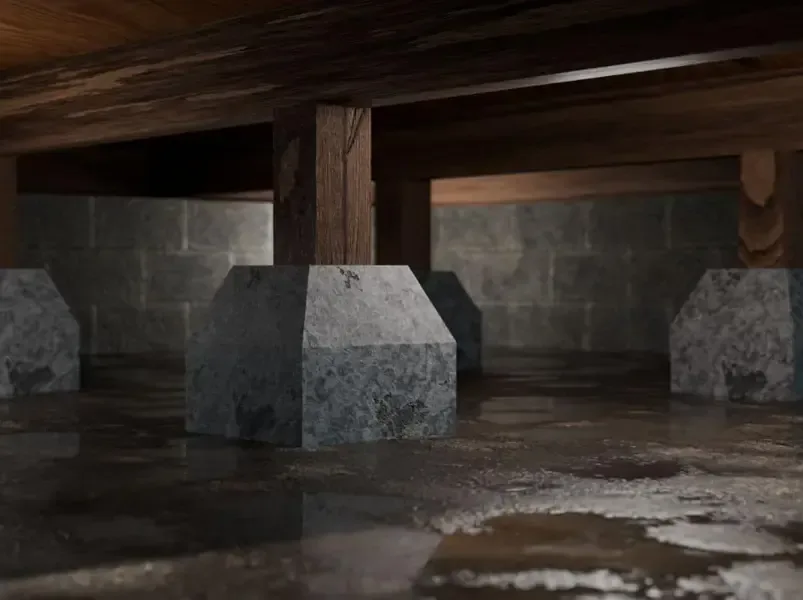
Crawl space water removal in Valley Village starts with the access opening and the space beneath the floor. The technician checks the foundation arrangement, clearance and entry conditions before planning the work. Standing water, limited clearance, exposed wiring and uncertain contamination can make a casual look beneath the house unsafe.
First steps for crawl space water removal
- Keep the access closed. Residents prevent children and pets from entering the wet underfloor space and avoid inspecting it without a safety assessment.
- Report the visible signs. The owner describes standing water, indoor floor changes and any known plumbing release from a safe viewing position.
- Arrange source isolation. The appropriate professional addresses a suspected supply or drain fault so pumping does not simply chase continuing water.
- Preserve equipment access. The household clears the dry approach to the access opening while leaving wet insulation, debris and electrical components untouched.
How crawl space water removal progresses
- 1
Assess the underfloor route
The technician confirms the foundation arrangement and reviews clearance, electrical hazards and contamination before choosing a safe inspection and pumping approach.
- 2
Remove standing water
The crew pumps or extracts accessible water and manages debris, keeping the source status and disposal route part of the work plan.
- 3
Evaluate retained materials
Technicians inspect joists, subfloor and insulation, removing unsuitable layers and marking measurement points in the structural materials that remain.
- 4
Verify drying progress
The drying team adjusts equipment within the access limits, records repeat readings and explains any remaining source repair or inaccessible area before closure.
Identifying the source under the building
At a home near Burbank Boulevard, the inspection follows underfloor water back to a leaking supply connection, drain release or exterior opening. The contractor records the observed source and coordinates repair with the appropriate professional. Pumping while an active leak continues is only an interim action, not a completed solution.
Valley Village extends to Tujunga Wash on its western side. At a property near Laurel Canyon Boulevard or La Maida Street, the inspection starts with the crawl space opening and the route water followed beneath the floor. Source notes and photographs help the plumber or drainage professional address continuing entry.
- The crew reviews access clearance, electrical concerns and structural conditions before anyone enters the underfloor space.
- The technician assesses the water source and contact so clean supply water is not confused with sewage or outside runoff.
- Pumping follows a safe removal plan that considers where the recovered water and debris can be handled appropriately.
- Residents avoid lifting wet insulation or touching pipes and wiring while trying to locate a source beneath the home.
Looking upward after the water comes out
Underfloor water can leave damp joists, subfloor edges and insulation after the ground no longer appears flooded. The drying team examines those materials and determines whether insulation or other absorbent layers need removal. A shallow space may require different equipment access from an open room above. The contractor explains that limitation instead of promising a fixed drying time.
- Measurements at marked framing locations help show whether retained wood is progressing toward a suitable dry comparison.
- Wet insulation can restrict access and hold moisture against the assembly it touches.
- Drying equipment requires safe power and placement that does not damage the building's services.
- The crew checks the room above when the underfloor readings or floor condition suggest moisture has reached the occupied level.
Documenting a space the owner cannot easily inspect
For a property around Colfax Avenue, the owner may not be able to view the underfloor work directly. Photographs, location notes and repeat readings make the scope understandable without asking someone to enter a hazardous space. The record should show the source status, pumping area, removed material and retained framing conditions.
A dry-out does not install permanent drainage or repair a failed pipe by itself. The contractor separates those needs from emergency removal and explains any inaccessible area that remains outside the completed inspection.
Discuss the wet materials before repairs
Underfloor water needs safe access and a source-specific plan. Describe the opening, visible water and any floor changes without entering the wet space to investigate.
(888) 578-6508 Review the underfloor cleanupWhat does crawl space water removal cost in Valley Village, CA?
Crawl space water removal and drying often ranges from $1,500 to $6,500. Restricted access, contaminated water and wet insulation add labor. Permanent drainage changes, plumbing repair and structural replacement are separate scopes.
Accessible shallow water
$1,500 to $2,700
- Safety assessment
- Pumping
- Framing checks
Wet insulation and joists
$2,700 to $4,500
- Material evaluation
- Controlled removal
- Underfloor drying
Difficult or contaminated loss
$4,500 to $6,500
- Restricted access work
- Expanded cleaning
- Detailed progress records
The figures describe typical work scopes, not a quote. Water category, affected area, access and the time before drying change the scope. Compare the inputs in the Valley Village water damage cost calculator.
Documentation for your insurance claim
The restoration contractor records the water source, affected rooms and moisture readings before removal begins. Timestamped photographs show damaged materials and the reason for opening a wall or lifting a floor. Daily temperature, humidity and material readings document progress against a dry comparison area. An itemized scope separates extraction, disposal, cleaning and equipment use from plumbing repairs and finish replacement. The property owner keeps invoices and the initial discovery details with that record. An insurer evaluates coverage under the actual policy; a sudden plumbing release, outside flooding and a sewer backup can receive different treatment. The adjuster decides coverage, and the homeowner checks deductibles, exclusions and any applicable endorsements directly with the insurer.
Daily measurements support the IICRC S500 drying goal. The drying crew compares similar materials and investigates readings that stop improving before equipment leaves.
Crawl space water removal in Valley Village
Coverage includes homes and businesses around Laurel Canyon Boulevard, Colfax Avenue and Burbank Boulevard, with ZIP 91607 and 91617. The work scope follows the actual wet rooms and materials.
Additional service areas include Sherman Oaks, Studio City, North Hollywood, Encino and Hollywood.
Crawl Space Water Removal questions in Valley Village, CA
Does a ranch-style home always have a crawl space?
No. The foundation requires a building-specific inspection. The technician confirms the actual assembly before discussing pumping beneath the floor. Additions can also differ from the original house, so the inspection should identify which part of the building is affected.
Can the owner enter to check the water depth?
Standing water beneath a building can conceal electrical, structural and contamination hazards. A limited-clearance area may also complicate safe exit. The owner should describe visible conditions from a safe position and leave entry assessment to the appropriate professionals.
Is pumping enough if the ground looks dry?
Joists, subfloor and insulation can retain moisture above the cleared ground. The drying technician measures those materials and evaluates access. The floor assembly above dry-looking ground can still hold moisture, so retained materials need their own measurements against the drying goal.
Should every piece of insulation be replaced?
The contractor assesses the insulation actually affected, including water source, condition and contact with wet framing. Removal may be necessary where material cannot recover or blocks drying. The scope should explain the boundary instead of treating the entire crawl space as automatically damaged.
Will this work prevent future entry?
Emergency removal addresses the current water and wet materials. A plumbing defect, exterior drainage problem or other source may need separate corrective work. The owner should confirm who handles that repair so a dry-out is not mistaken for a permanent source-control solution.
How can an owner review hidden work?
The contractor can provide photographs, a location-based material list and repeat readings at marked points. These records explain what was removed, what remains and what could not be accessed. They also help separate pumping and drying from later structural or plumbing repairs.
A clear scope starts with the source
Underfloor water needs safe access and a source-specific plan. Describe the opening, visible water and any floor changes without entering the wet space to investigate.
(888) 578-6508 Review the underfloor cleanupCheck the structure above the pooled water
The removal crew clears accessible water and measures retained framing before the underfloor work is considered complete.
(888) 578-6508 Arrange crawl-space assessment