Water Damage Restoration in Sherman Oaks
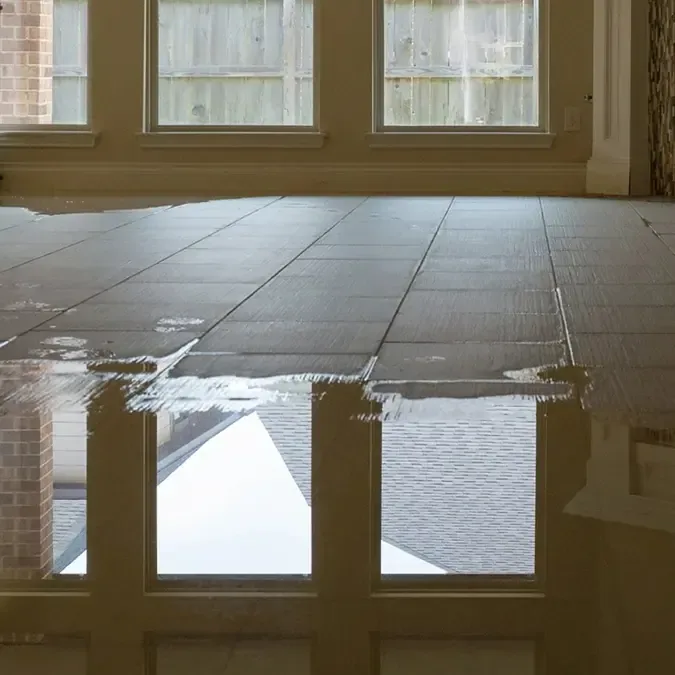
A puddle beside a doorway can hide a much larger wet area. Sherman Oaks water damage restoration starts by tracing the release, removing accessible water and checking the materials underneath.
(888) 578-6508 Discuss the wet roomsCleanup planning accounts for the water source, affected finishes and safe access throughout the occupied property.
A clear endpoint for each wet assembly
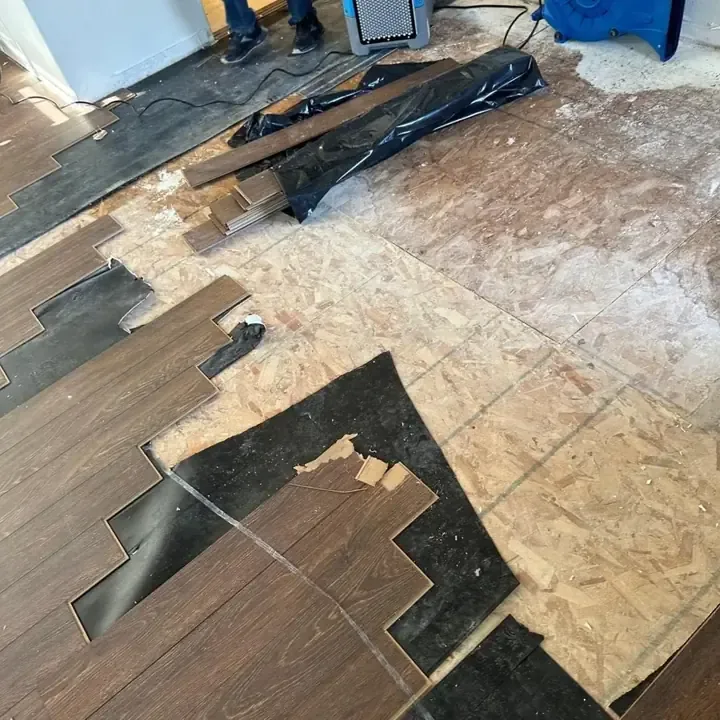
Dry paint and a clean floor can conceal damp layers. The work scope should identify which materials stay, which require access and what readings will support the decision to close the area.
Make the affected rooms safer to assess
- Avoid wet electricity. Keep occupants away from soaked outlets, electrical equipment and water surrounding plugged in appliances.
- Stop accessible supply. Use a safely reachable fixture valve when the leak source is clear and access remains dry.
- Protect dry contents. Move unaffected belongings away from spreading water without carrying contaminated items through clean living spaces.
- Record visible changes. Photograph the wet boundary, ceiling marks and damaged possessions from a stable position outside hazardous areas.
- Describe the source. Report whether water came from plumbing, rain or an overflowing fixture when discussing the cleanup scope.
Cleanup that follows the water through the building
The visible symptom helps identify the starting point. Each service examines the surrounding materials so a surface cleanup does not leave moisture sealed inside the structure.
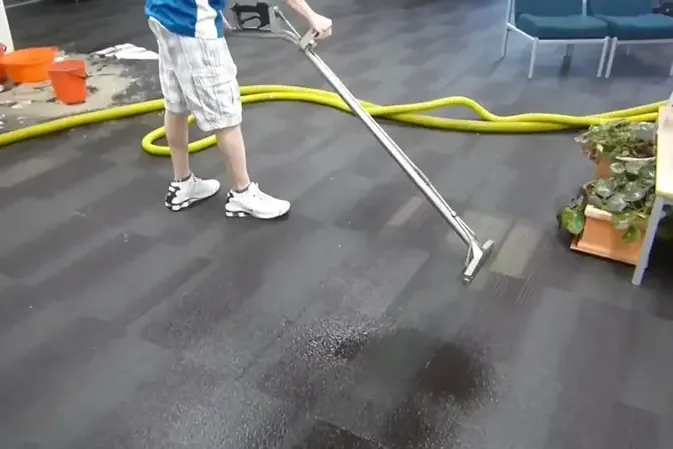 Water ExtractionStanding water needs a removal route that reaches wall edges, low spots and the floor beneath movable contents.See water removal steps
 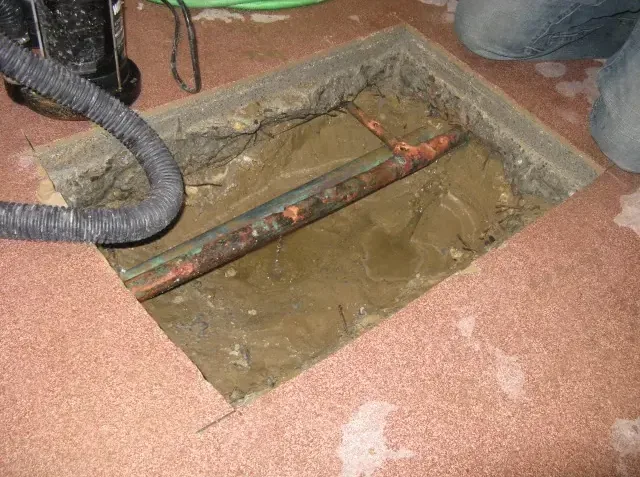 Slab Leak Water DamageMoisture rising through flooring calls for pipe repair coordination and a separate assessment of concrete and floor coverings.Plan drying below the floor
 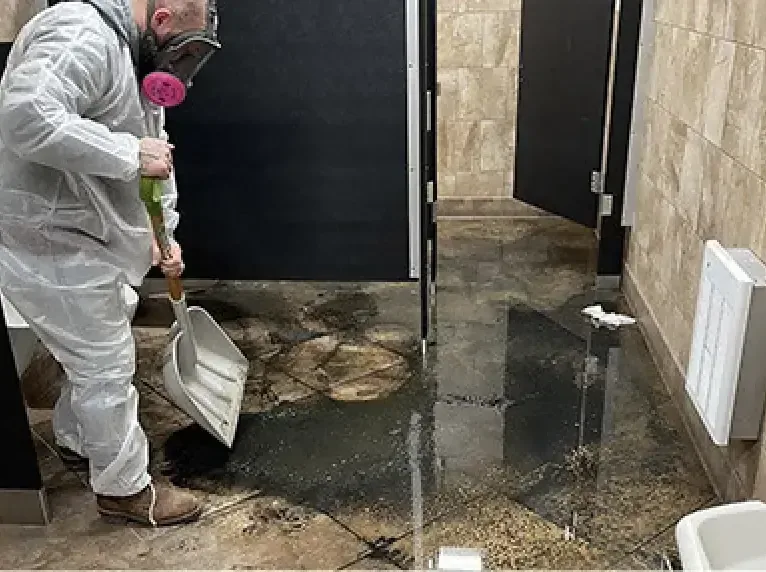 Sewage Backup CleanupWastewater cleanup isolates contaminated rooms before handling damaged porous materials and cleaning the remaining accessible surfaces.Review sewage cleanup
  Burst Pipe Water DamageA split pipe can soak distant wall cavities while the nearest room appears to hold most water.Trace a pipe release
 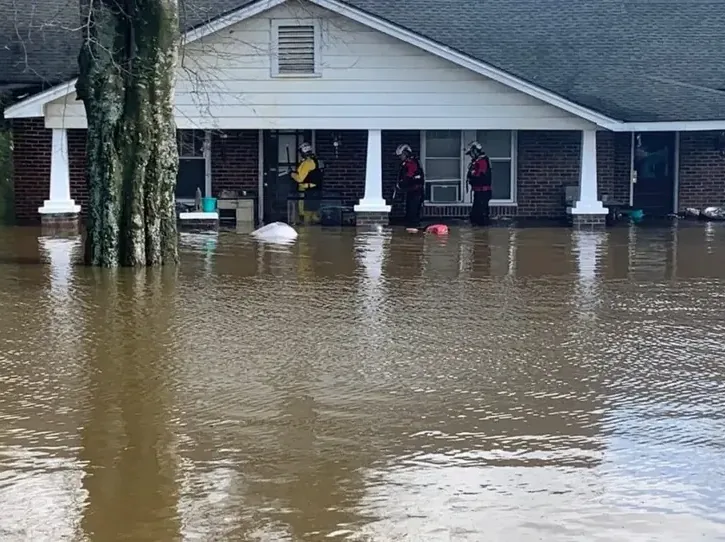 Storm Flood CleanupOutside water carries debris through entry points, making source identification and material decisions essential to the cleanup.Assess floodwater damage
 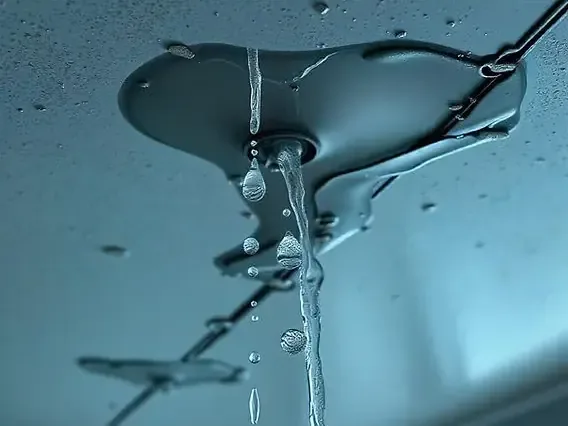 Roof Leak Water DamageRoof entry can wet attic layers before a stain becomes visible on the room ceiling below.Check rain entry and drying
 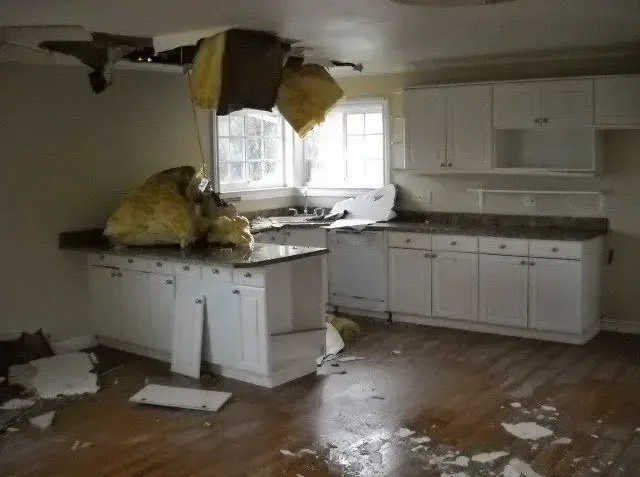 Ceiling Leak Water DamageA damp overhead patch needs careful inspection of the cavity and the floor beneath the drip.Inspect overhead moisture
 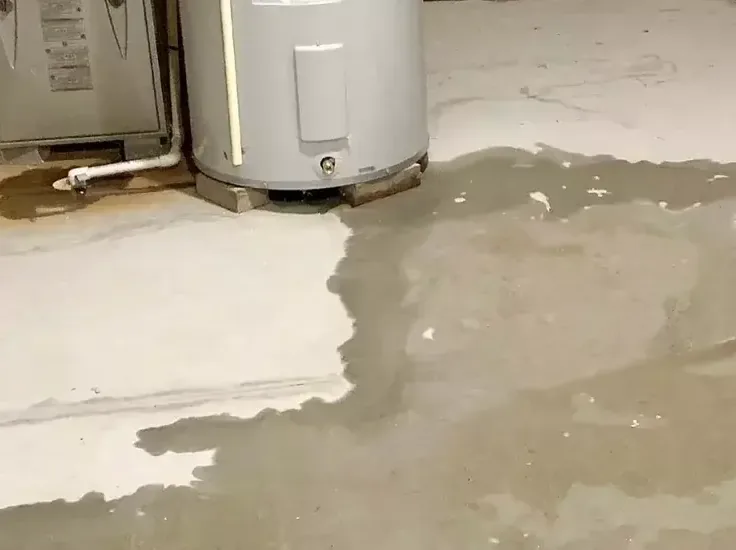 Water Heater Leak CleanupTank spills spread around supports and into nearby trim, leaving hidden wet edges after the puddle disappears.Follow a tank spill
 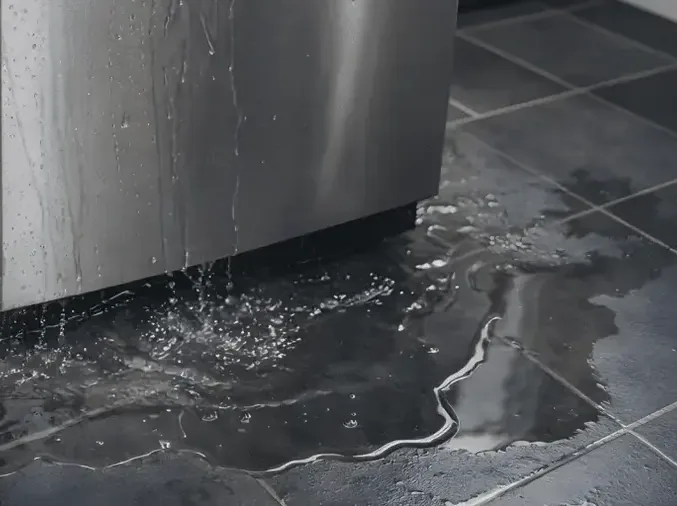 Appliance Leak Water DamageDishwasher and washer releases can travel behind cabinets where ordinary mopping cannot reach the affected material.Find hidden appliance water
 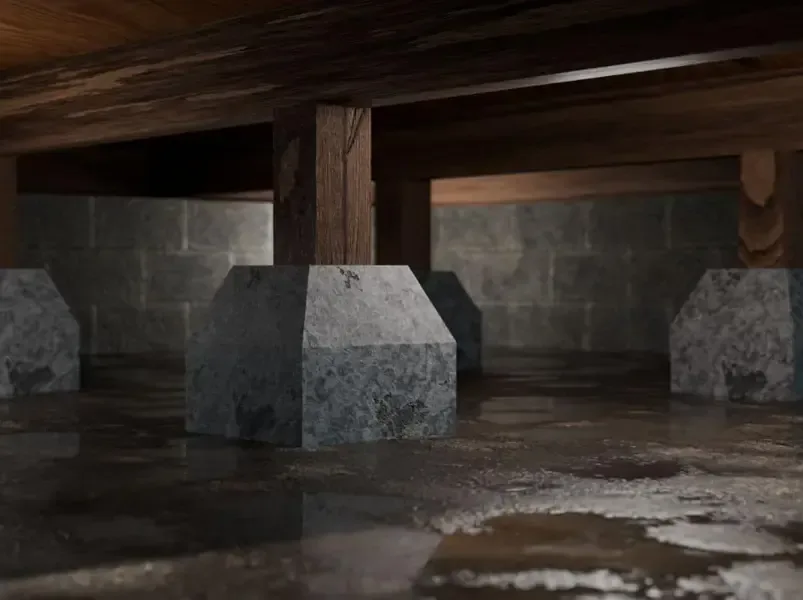 Crawl Space Water RemovalRaised floors need a safe underside inspection when water collects around supports or wets insulation below occupied rooms.Plan underfloor water removal
 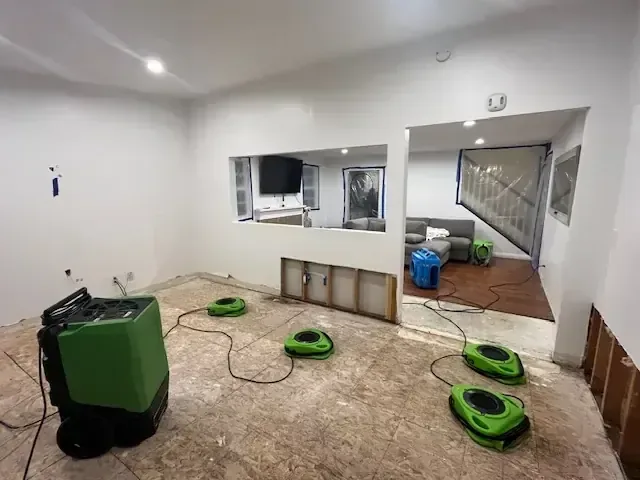 Structural DryingDrying equipment is adjusted to moisture readings so dense layers receive attention after exposed surfaces start feeling dry.Understand the drying goal
 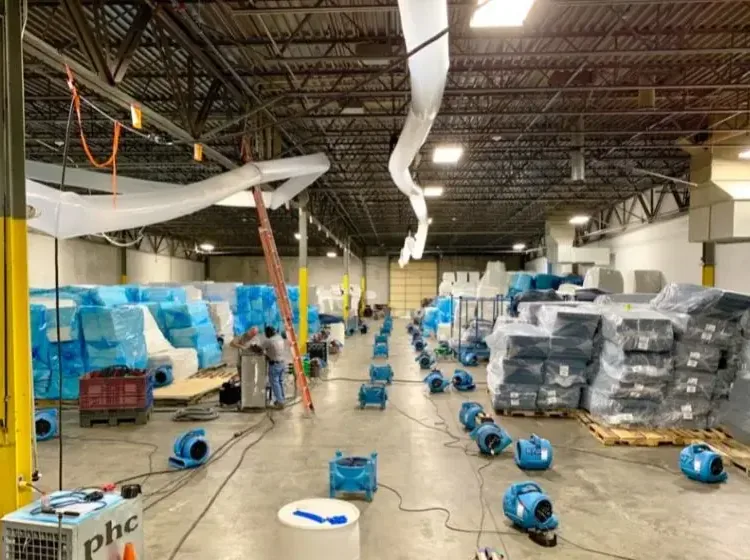 Commercial Water DamageBusiness cleanup considers stock, fixtures and access routes while documenting water movement through the affected premises.Coordinate business recovery
 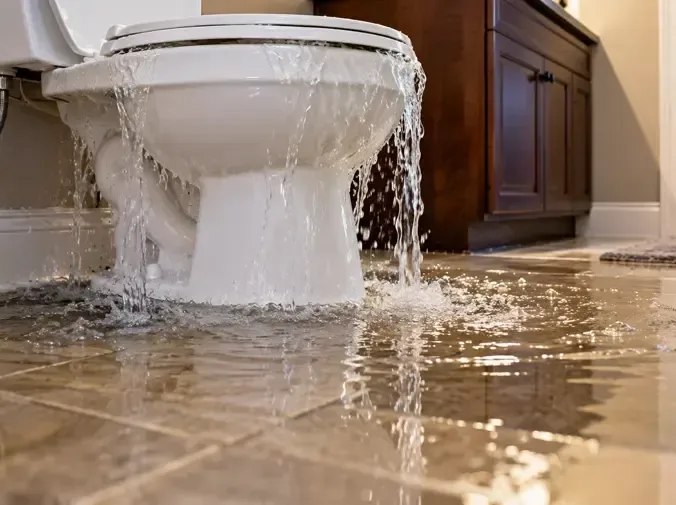 Toilet Overflow CleanupA tank supply leak and a bowl overflow require different cleaning decisions despite leaving similar bathroom puddles.Compare overflow sources
 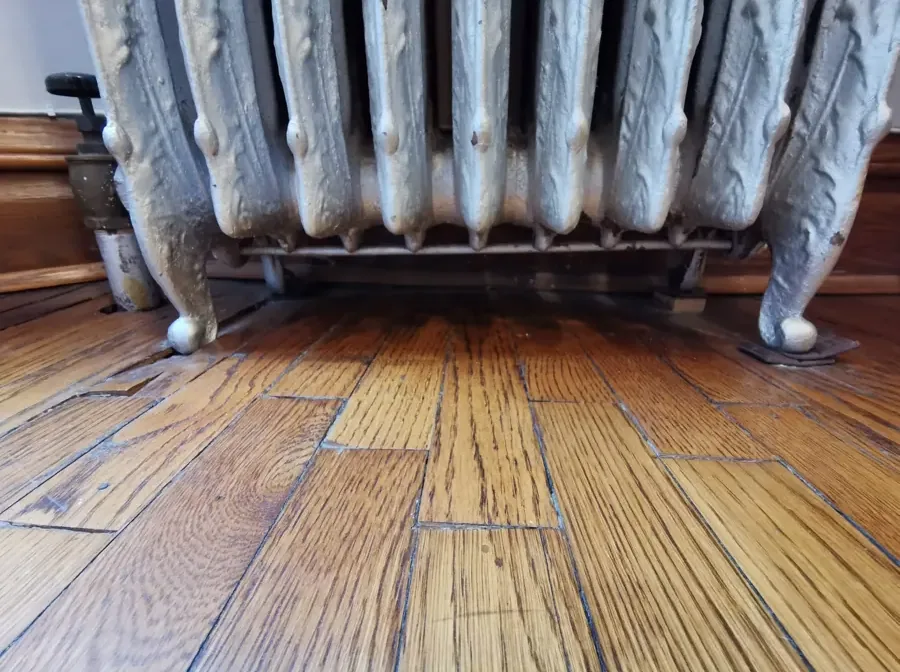 Hardwood Floor Water DamageWood flooring needs moisture comparison through the assembly before sanding, replacement or a final repair decision.Review wood floor recovery
 Why Sherman Oaks homeowners call for water damage help
Separate source repair
The plumbing or roof defect needs attention alongside cleanup so fresh water cannot undo progress in the affected rooms.
Map concealed spread
Inspection follows joints, adjoining walls and floor transitions instead of ending at the edge of the obvious puddle.
Record material decisions
Photos and written notes explain why a covering was lifted, a cavity opened or a damaged section removed.
Check completion readings
The final assessment compares affected materials with suitable dry references before repaired finishes cover the structure again.
From initial inspection to repair readiness
The cleanup sequence connects the source, affected materials and drying result. Each stage leaves a usable record so the next trade understands which spaces were opened and why they are ready.
- 1
Mark a safe boundary
Access restrictions account for wet electrical components, unstable ceiling material and the water condition before equipment enters the damaged part of the property.
- 2
Remove water and obstructions
Extraction clears accessible pooling while contents and damaged coverings are handled in a way that exposes the surfaces needing further attention.
- 3
Manage the drying environment
Air movement and dehumidification are positioned for the actual room and material arrangement, with readings showing whether moisture continues to decline.
- 4
Prepare the repair handoff
The completion record separates dried materials from items awaiting replacement and identifies any source repairs still needed before normal use resumes.
Different water needs different handling
Supply water release
A fresh pipe leak still needs prompt removal and a check for moisture trapped beneath floor coverings.
Inspect wet flooringAppliance discharge
Used appliance water can carry residue into cabinets, making cleaning access part of the drying decision.
Trace appliance spreadWastewater intrusion
Water carrying waste requires controlled access and a plan for contaminated porous items before ordinary drying begins.
Arrange contained cleanupWhat affects water damage restoration cost in Sherman Oaks?
Sherman Oaks cleanup planning considers the affected area, water condition and access to hidden moisture. The ranges below describe different scopes; an inspection identifies the material work and equipment needed for a written estimate.
Focused room cleanup
$1,000 to $2,000
- Accessible wet area
- Limited finish removal
- Simple equipment placement
Connected room damage
$2,000 to $4,500
- Multiple wet edges
- Concealed cavity access
- Broader drying arrangement
Extensive interior loss
$4,500 to $7,500
- Complex material handling
- Separated work areas
- Detailed moisture tracking
Repairing the original defect, replacing finishes and restoring contents can involve separate charges. A useful estimate identifies these boundaries and explains what could change after concealed areas become accessible.
Documentation for the next decision
A clear record helps explain how water entered, what it affected and which actions limited additional damage. Coverage decisions belong to the insurer and depend on the policy and circumstances.
- Photographs showing the initial wet room boundaries
- Notes describing the first signs of leakage
- A list of damaged finishes and possessions
- Written scopes separating cleanup from source repair
- Drying records and receipts retained together afterward
Planning a direct payment
A property owner paying directly can request a scope organized by urgent removal, drying access and later repairs. This makes the first decision easier to understand.
Changes uncovered behind a cabinet or inside a ceiling should be explained before additional work proceeds. The estimate should identify both the reason and the affected area.
Water cleanup throughout Sherman Oaks
Roads and local areas
Listed postal areas
Other service areas
Describe the building as well as the location
Magnolia Woods lies between Burbank Boulevard and Magnolia Boulevard. A caller can identify the affected room, access arrangements and whether water is still entering when requesting cleanup.
Postal designations can differ from neighborhood boundaries. Building access, occupancy and the observed source help shape the practical response for a home or business across the community.
Sherman Oaks, CA · [email protected]
Explore the complete service area(888) 578-6508 Explain the property accessExamples of equipment and opened materials during cleanup
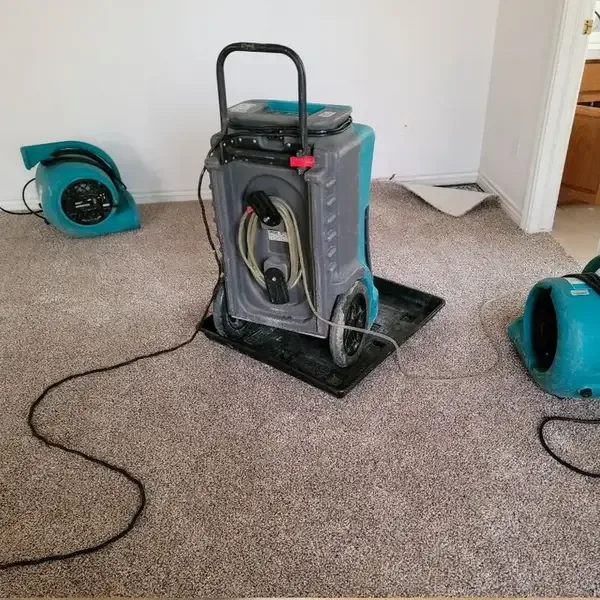
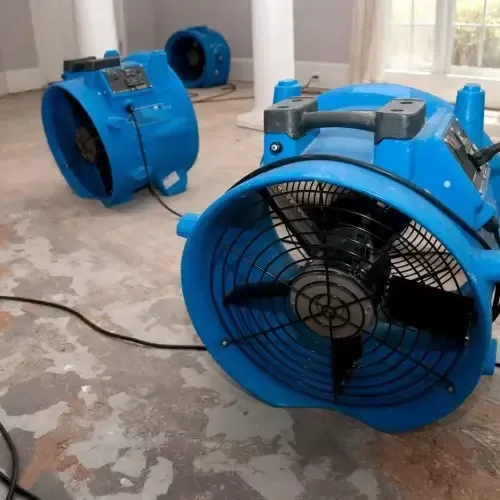
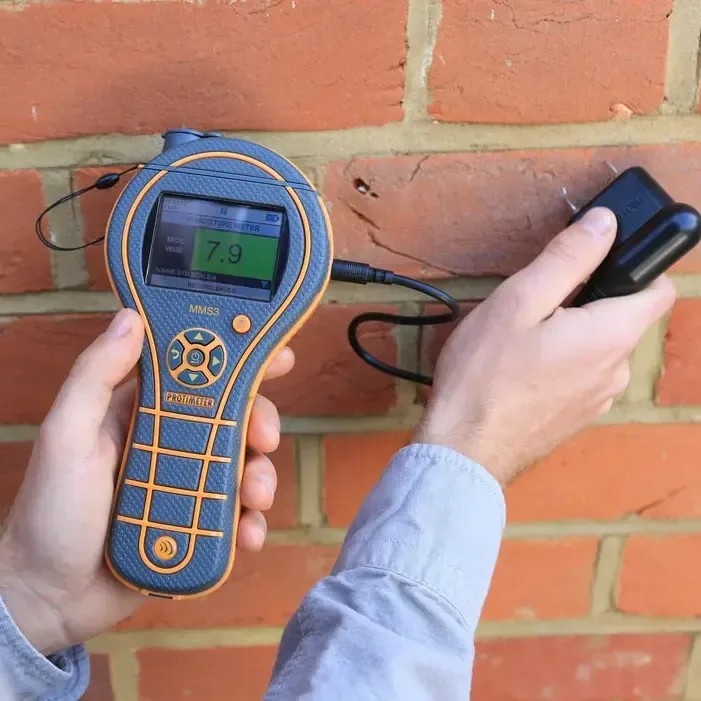
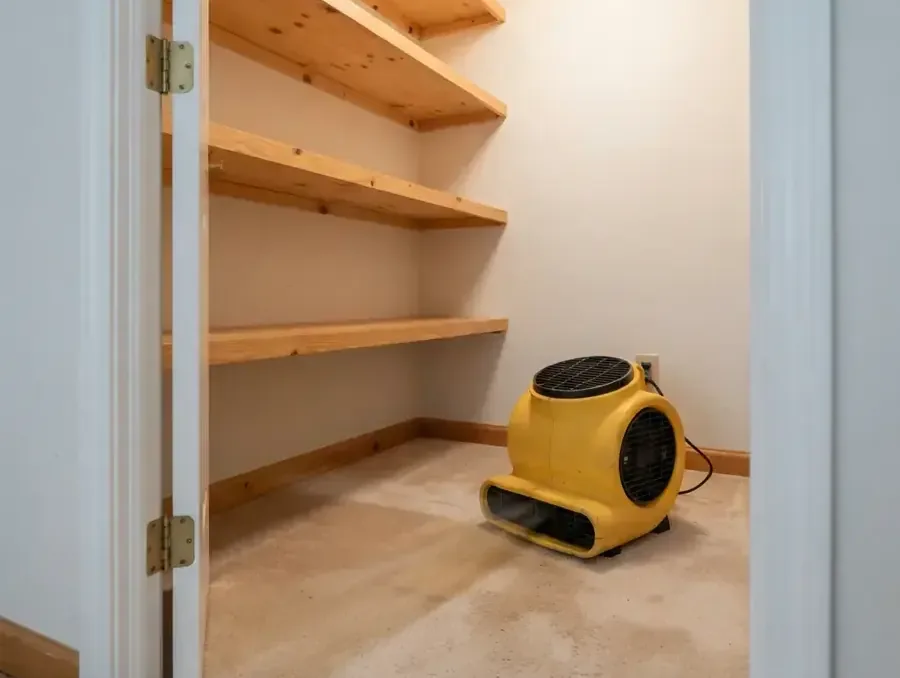
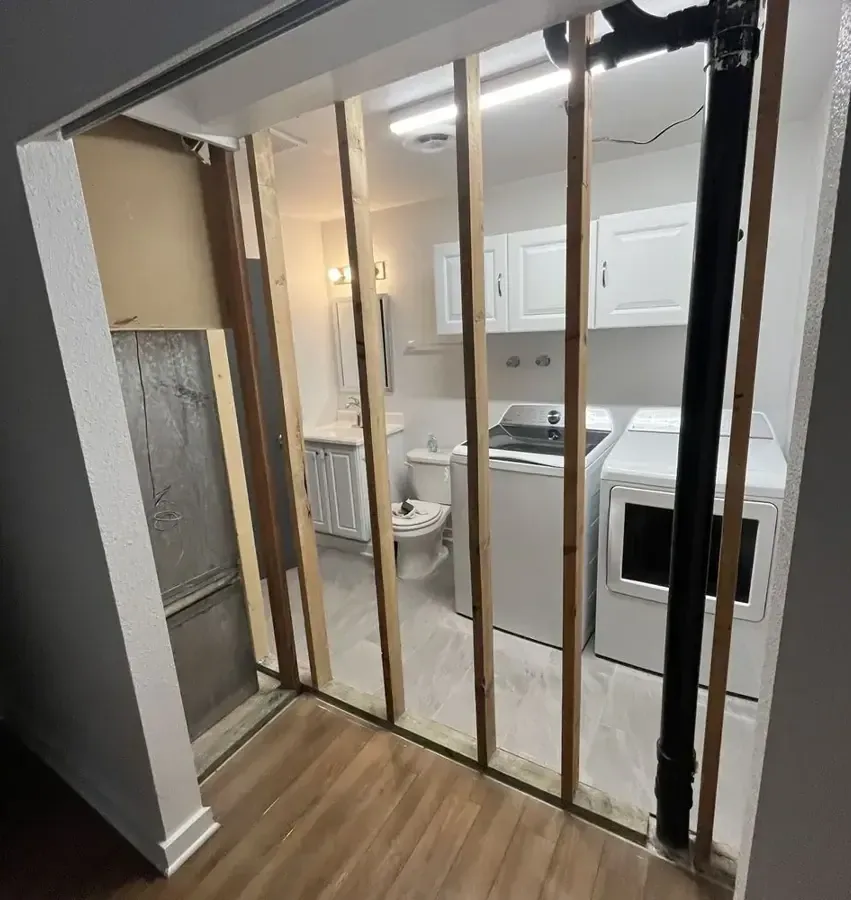
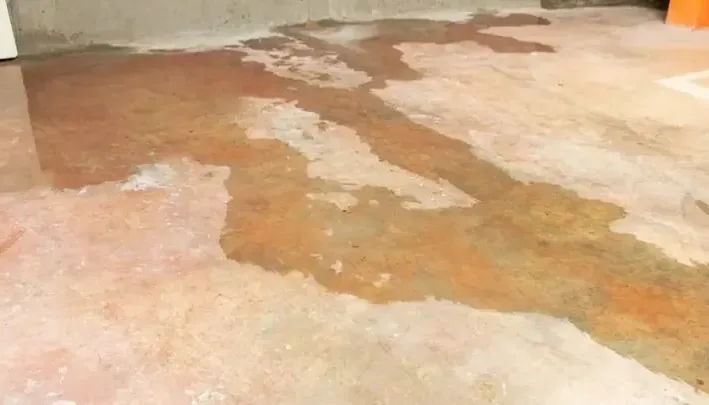
Different sources can produce similar wet floors
The Los Angeles River follows the northern part of the community, while part of Sherman Oaks extends into the Santa Monica Mountains. Indoors, tracing the actual entry route determines the cleanup.
April 30, 2015: A water main rupture on Ventura Boulevard flooded four businesses. The incident shows why an interior inspection needs to include stock areas and concealed floor edges.
Public main releases
A Coldwater Canyon main break caused street flooding on July 21, 2026. A resident also reported backyard flooding during that incident.
River corridor context
The river is primarily a concrete flood control channel here. Ernie's Walk provides access along the channel through this part of the community.
Overhead entry paths
A roof opening can allow water into concealed insulation before the room below shows a stain. Inspection needs to follow that downward route.
Fixture and appliance spills
Water from a bathroom or appliance may slip beneath adjacent flooring. Cleanup should examine adjoining spaces even when the visible spill seems contained.
Shared property decisions
Renters and owners both occupy local housing. Prompt communication about access, maintenance authorization and damaged possessions helps keep necessary inspection and cleanup moving.
Questions about restoring a wet property
What information helps when requesting water cleanup?
The caller can describe the room, suspected source, wet materials and whether the release continues. Details about electrical hazards, sagging ceilings or contaminated water help the contractor choose access precautions. Photos taken safely can document the starting condition without disturbing damaged surfaces.
Does removing the puddle finish the job?
Extraction addresses accessible liquid, but moisture can remain inside wood, drywall and floor layers. Inspection identifies those reservoirs. Drying continues where measurements show elevated moisture, and the final assessment considers the complete assembly before coverings or trim return.
Can tenants arrange access while a manager is away?
Tenants should notify the responsible manager and describe active leakage immediately. Work authorization, entry permissions and handling of personal belongings need clear communication. Urgent safety concerns should be reported separately so occupants avoid hazardous rooms while the response is organized.
How are sewage affected rooms handled?
Access is restricted and the affected area is separated from clean spaces. Cleanup addresses contaminated materials and washable surfaces before drying decisions proceed. Porous belongings need individual assessment, and household fans should not move air from the dirty area into occupied rooms.
What happens when water reaches a wood floor?
The assessment identifies the flooring product, attachment method and material underneath. Raised edges prompt a closer inspection of the boards and the layers supporting them. Moisture comparisons and the condition of joints, adhesives and the subfloor help determine whether drying can preserve the assembly or replacement is needed.
Does every wet ceiling need removal?
The answer depends on stability, material condition and access to concealed moisture. A small stain may cover a broader wet area above. Sagging sections require restricted access, while inspection determines whether controlled openings are needed to reach insulation or framing safely.
How is a drying estimate organized?
A clear estimate describes the wet areas, removal work, equipment and monitoring included. It should distinguish restoration from plumbing or roof repair and later finish replacement. If concealed damage changes the scope, the reason and proposed additional work should be documented.
When can the room be repaired?
Repairs can proceed after the source is addressed and retained materials meet the project drying criteria. Completion notes should identify measured areas and remaining replacement needs. Installing new paint, cabinets or flooring too early can trap moisture in the assembly.
A useful description starts with the source
The affected room, visible water depth and any overhead damage help shape the first discussion about safe access and cleanup needs.
(888) 578-6508 Describe what became wetStart with the room that changed first
Describe the earliest wet spot and the current spread so the cleanup discussion follows the water's path.
(888) 578-6508 Talk through the affected spaces