Burst Pipe Water Damage in Sherman Oaks
Water escaping under pressure can travel away from the broken fitting before the leak is found. Sherman Oaks pipe damage cleanup traces that route through rooms, wall edges and concealed building cavities.
(888) 578-6508 Discuss the pipe release path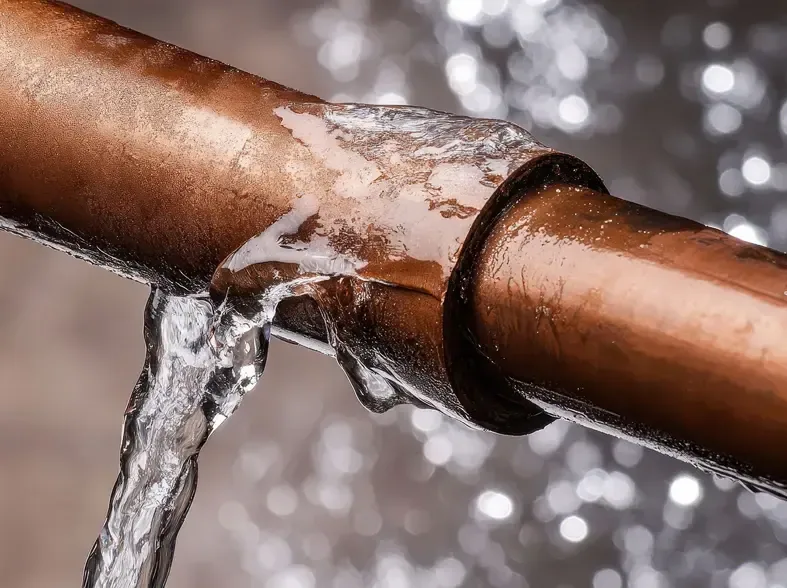
The loud part of a pipe failure may end at the shutoff, but water already inside the building keeps moving. It can collect beneath a floor finish, run along framing or emerge in a room away from the failed connection. Burst pipe water damage restoration in Sherman Oaks needs to follow that movement before selecting equipment or deciding where a wall must open.
First steps for burst pipe water damage
- Reach a safe shutoff. Stop the supply only when the valve can be reached without entering standing water or approaching wet electrical equipment in the room.
- Avoid the spray area. Keep occupants clear of wet fixtures and unstable finishes while the plumbing source is isolated and the release route is assessed.
- Note distant symptoms. Report wet trim, ceiling spots or flooring changes beyond the pipe location so the inspection does not stop at the repair opening.
- Preserve the repair details. Keep the plumber's description of the failed component with photographs of the affected rooms for the restoration scope and later repair record.
How burst pipe water damage progresses
- 1
Join source and damage findings
The initial assessment connects the plumber's source location with a room by room moisture map, identifying potential spread outside the obvious spray area.
- 2
Clear accessible liquid first
Extraction removes pooling that could continue soaking floor edges, allowing a closer assessment of coverings, trim and the lower parts of affected walls.
- 3
Expose the wet cavity layers
Selective removal gives access to damp insulation or framing where needed, with each opening tied to observed material damage and the drying plan.
- 4
Confirm the repair handoff
Moisture checks and source repair notes indicate which areas can be closed, which finishes need replacement and whether any inaccessible section still requires attention.
Locate the release and trace its consequences
The July 21, 2026 main break on Coldwater Canyon caused street flooding and a reported backyard flood. That event involved a public main. For an indoor loss, the plumber identifies the actual failed component while the restoration assessment documents the surrounding wet structure. The cause and the resulting material damage need separate findings that can be coordinated.
In a home near Magnolia Boulevard, a leak inside a wall may leave a wet baseboard before the cavity is accessible. In Chandler Estates, a different floor arrangement may direct water beneath a nearby covering. These are inspection possibilities to check at the property, not reasons to open every wall indiscriminately.
- Mark visible discharge points and compare them with moisture readings in adjoining wall sections before defining the removal boundary.
- Inspect below the pipe location when the release could have followed framing or penetrations into a lower concealed area.
- Keep the repair opening accessible until the pipe work is complete and surrounding wet materials have been assessed.
- Document contents that blocked the water path, since pooling behind them may remain after the room's center is cleared.
Coordinate plumbing access with drying access
The opening needed to fix a fitting may be smaller than the area requiring drying. Wet insulation or damaged wallboard can prevent air from reaching retained framing. The scope should explain each additional opening and identify the materials it exposes. Water extraction may be needed before those more detailed cavity decisions proceed.
Check the structure after the pressure is restored
A repaired pipe and a dry room are separate milestones. The plumbing repair should be checked while accessible, and the restoration record should track moisture in the affected materials. If readings stop improving, the drying arrangement or concealed access may need adjustment.
Before trim and wall finishes return, the completion notes should describe retained materials and replacement needs. The repair contractor can then close the wall using the recorded moisture readings and a clear list of materials ready for replacement.
Discuss the wet materials before repairs
Explain where the pipe failed and where water appeared afterward. Mention ceiling spots, wet thresholds and rooms beyond the repair opening so the restoration assessment can follow the full release through the building.
(888) 578-6508 Discuss the affected pipe cavityWhat does burst pipe water damage cost in Sherman Oaks, CA?
Burst pipe water damage work in Sherman Oaks depends on how far the release traveled and which cavities need access. These restoration ranges reflect material spread; the estimate should identify plumbing repair and finish replacement separately.
Single-room release
$1,200 to $2,200
- Concentrated floor wetting
- Accessible pipe area
- Limited finish access
Cavity and floor damage
$2,200 to $3,800
- Wet wall layers
- Floor edge inspection
- Targeted cavity drying
Several rooms or levels
$3,800 to $5,500
- Extended moisture route
- Multiple access locations
- Coordinated equipment layout
The figures describe typical work scopes, not a quote. Water category, affected area, access and the time before drying change the scope. Compare the inputs in the water damage cost calculator.
Documentation for your insurance claim
The restoration contractor records the water source, affected rooms and moisture readings before removal begins. Timestamped photographs show damaged materials and the reason for opening a wall or lifting a floor. Daily temperature, humidity and material readings document progress against a dry comparison area. An itemized scope separates extraction, disposal, cleaning and equipment use from plumbing repairs and finish replacement. The property owner keeps invoices and the initial discovery details with that record. An insurer evaluates coverage under the actual policy; a sudden plumbing release, outside flooding and a sewer backup can receive different treatment. The adjuster decides coverage, and the homeowner checks deductibles, exclusions and any applicable endorsements directly with the insurer.
Daily measurements support the IICRC S500 drying goal. The drying crew compares similar materials and investigates readings that stop improving before equipment leaves.
Burst pipe water damage in Sherman Oaks
Pipe release restoration includes properties around Coldwater Canyon, Magnolia Boulevard and Chandler Estates, with the affected plumbing location and surrounding materials determining the inspection route and cleanup access.
The same service nearby: burst pipe water damage in Valley Village, Encino, Studio City.
All water damage services in Sherman Oaks · View all service areas
Burst Pipe Water Damage questions in Sherman Oaks, CA
Why is the wet area larger than the pipe opening?
Pressurized water can strike nearby surfaces and continue along concealed routes before it appears in a room. Gravity and joints in the assembly influence that movement. The inspection should compare the failed pipe location with moisture readings beyond the nearest visible wet patch.
Can wall repairs begin immediately after the plumber finishes?
The pipe repair resolves the source, but the surrounding assembly may still be damp. Insulation, framing and floor edges need assessment before closure. The restoration record should identify materials that remain and show the condition needed before wallboard or trim covers them again.
Should every wall near the pipe be opened?
Removal should follow the observed damage and access needs. Moisture measurements and the building arrangement help define the boundary. An opening may be needed to reach concealed insulation, but the scope should explain its purpose instead of treating every nearby wall as affected.
What if water stopped before anyone found the valve?
The source still needs diagnosis to determine whether pressure, a fixture cycle or another condition interrupted the release. Restoration can document the damage while the plumbing problem is assessed. A quiet pipe does not remove the need to identify and correct the failure.
Why keep photos of the original room condition?
Initial photos preserve the visible spread and contents arrangement before extraction or material removal changes the scene. They can support a clear scope and help explain hidden access decisions. Photos should be taken from safe positions without entering water near electrical components.
Can the same equipment dry the floor and cavity?
Equipment placement depends on the materials and available air paths. A wall cavity may require access that open room circulation cannot provide. The drying arrangement should be adjusted using material readings, with the floor and retained wall layers checked as separate parts of the loss.
A clear scope starts with the source
Explain where the pipe failed and where water appeared afterward. Mention ceiling spots, wet thresholds and rooms beyond the repair opening so the restoration assessment can follow the full release through the building.
(888) 578-6508 Discuss the affected pipe cavityCarry source repair through to dry materials
A coordinated scope keeps plumbing work, extraction and cavity drying connected without losing sight of the damaged finishes.
(888) 578-6508 Plan the pipe damage assessment