Water Damage Restoration in Hollywood
A spreading puddle, dripping ceiling or soaked floor needs a clear starting point. Hollywood property owners can arrange water removal, damaged material assessment and drying around the actual source of the loss.
(888) 578-6508 Discuss the affected roomsThe source, water condition and affected building materials shape the work before repairs begin.
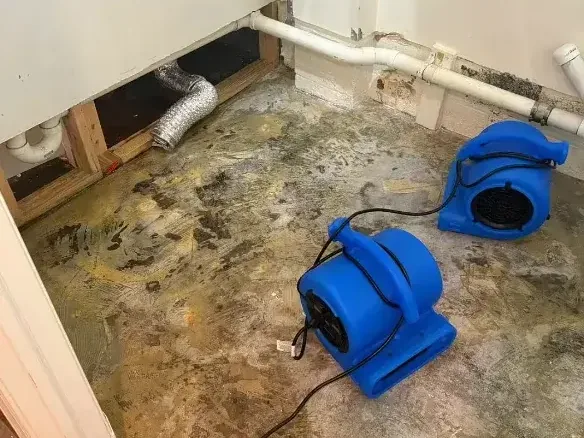
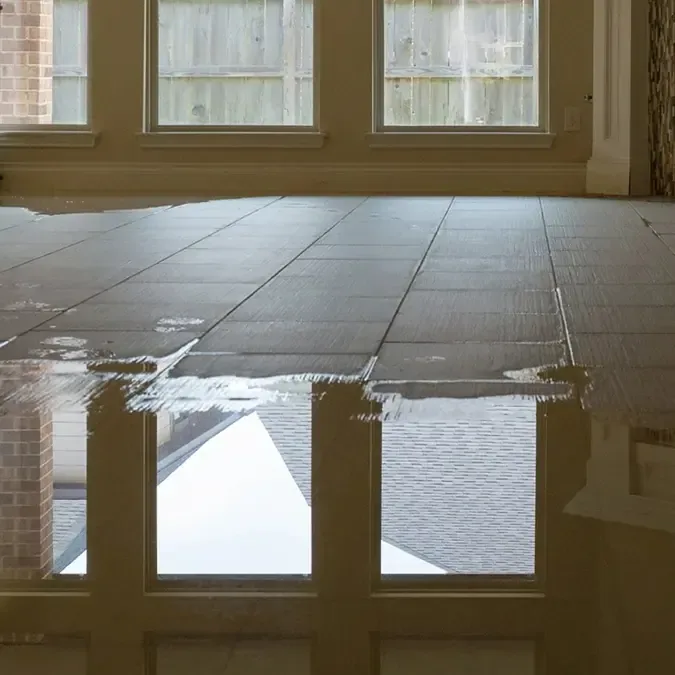
A dry surface can hide a wet assembly
Removing a puddle changes the appearance of a room quickly. The next decisions depend on what the water reached beneath floor coverings, behind trim and inside adjoining wall cavities during the release.
Make the affected space safer to assess
- Avoid wet power. Keep clear of outlets, cords and appliances where water could contact electrical components or connections.
- Stop accessible supply. Use a reachable water shutoff only when the route and valve area are dry and safe.
- Keep people outside. Restrict entry beneath sagging ceilings and around wastewater until the hazards have been assessed.
- Record visible changes. Photograph spreading marks and wet belongings from a safe position before moving any undamaged items.
- Contact the decision maker. Notify the owner or manager promptly so access and source repair can be arranged together.
Cleanup shaped around the source of water
Different leaks leave different problems behind. These services address visible water, concealed moisture and contaminated materials, with the work selected after the affected rooms are assessed.
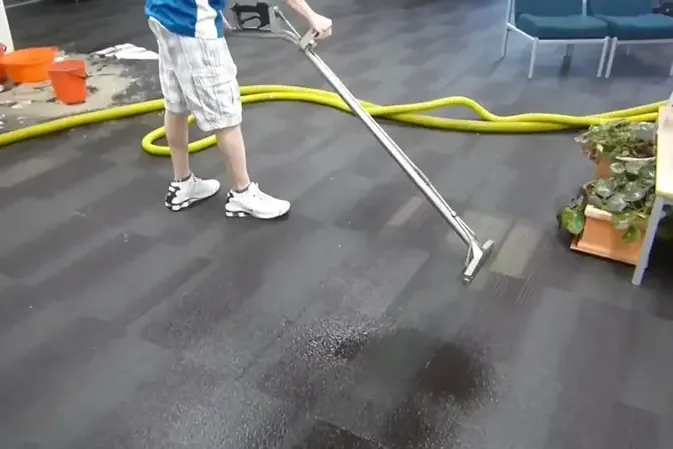 Water ExtractionStanding water needs removal before equipment can reach the moisture held inside floors and lower wall edges.See water removal steps
 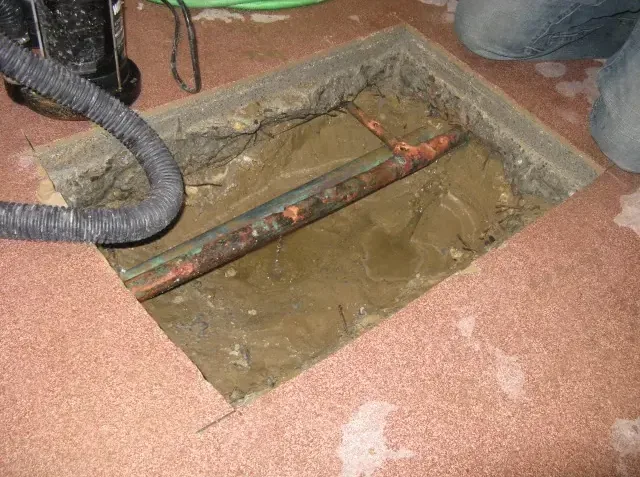 Slab Leak Water DamageDamp flooring above concrete calls for moisture mapping alongside a separate plan to locate the leaking pipe.Plan drying below the floor
 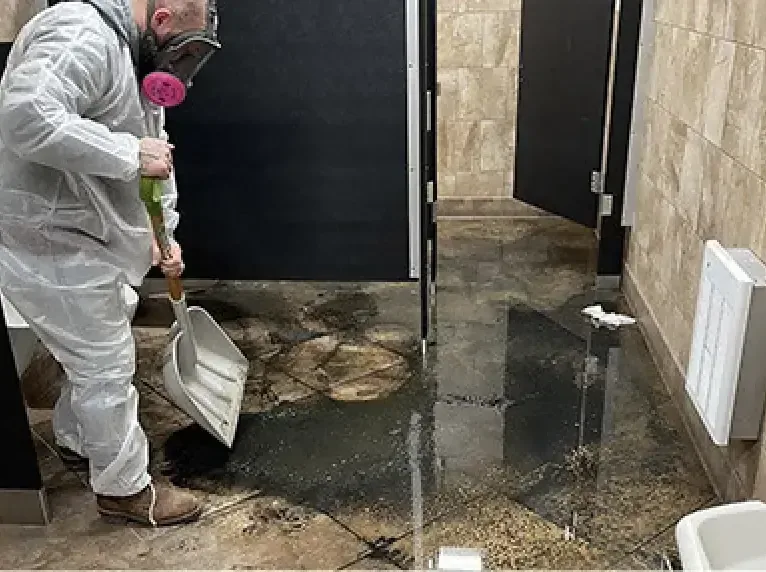 Sewage Backup CleanupWastewater cleanup starts with isolating the affected area and identifying porous items that cannot stay in place.Review sewage cleanup
  Burst Pipe Water DamageA broken supply pipe can wet several rooms before the shutoff stops the release into the building.Trace a pipe release
 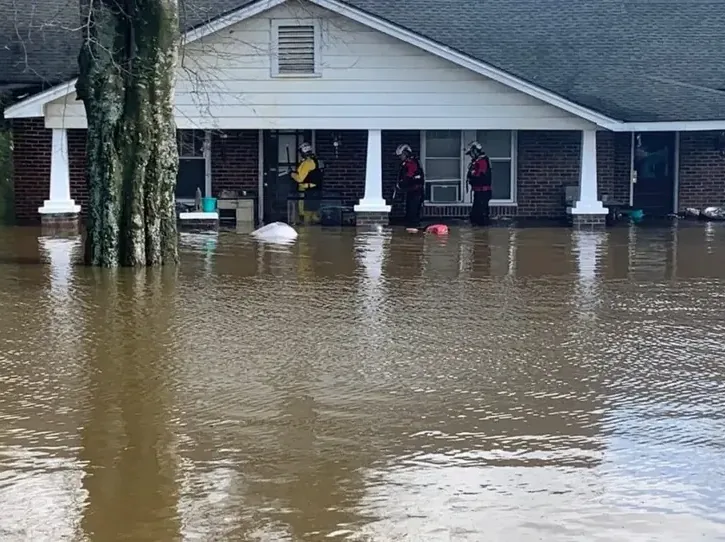 Storm Flood CleanupOutdoor water can carry sediment through thresholds, leaving a cleanup job beyond the puddle at the entrance.Assess floodwater damage
 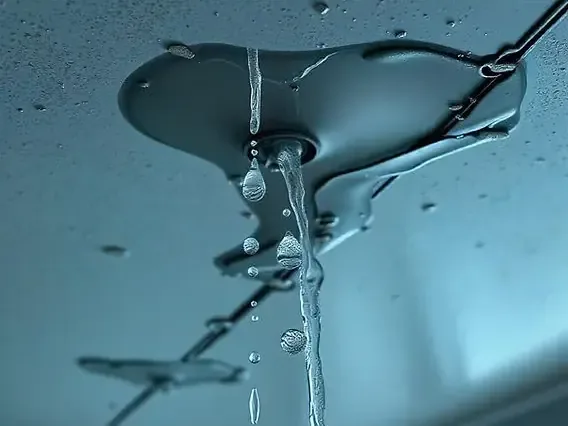 Roof Leak Water DamageRain entry may leave wet insulation and roof framing behind a ceiling that only shows a small stain.Check rain entry and drying
 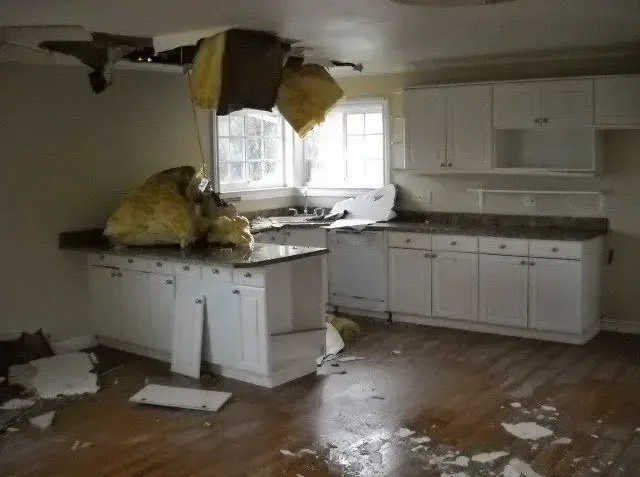 Ceiling Leak Water DamageA heavy ceiling needs safe assessment before anyone stands below it or tries to open the surface.Inspect overhead moisture
 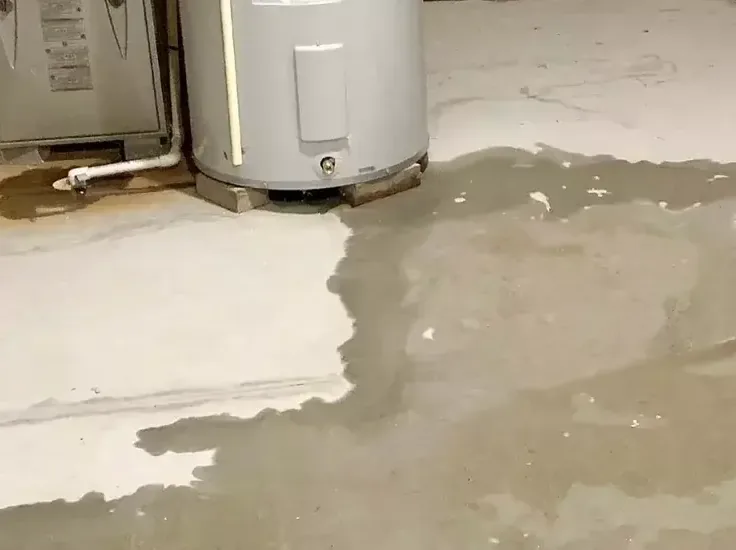 Water Heater Leak CleanupWater around a tank can soak enclosure walls and continue beneath flooring outside the equipment space.Follow a tank spill
 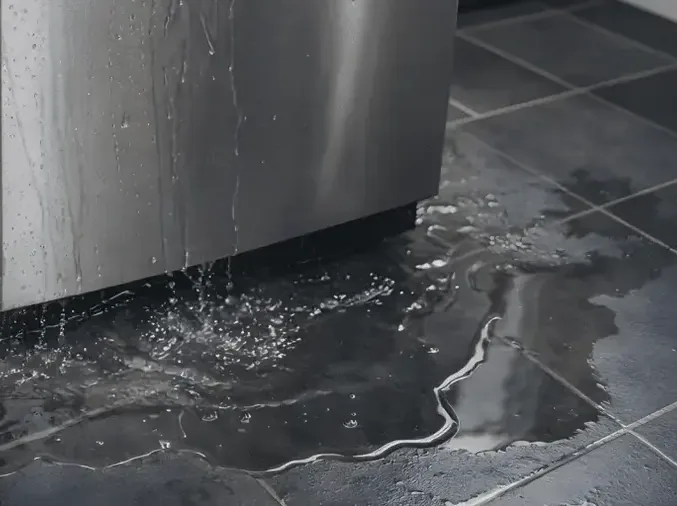 Appliance Leak Water DamageDishwasher and laundry leaks often leave moisture beneath cabinets after the exposed kitchen or utility floor dries.Find hidden appliance water
 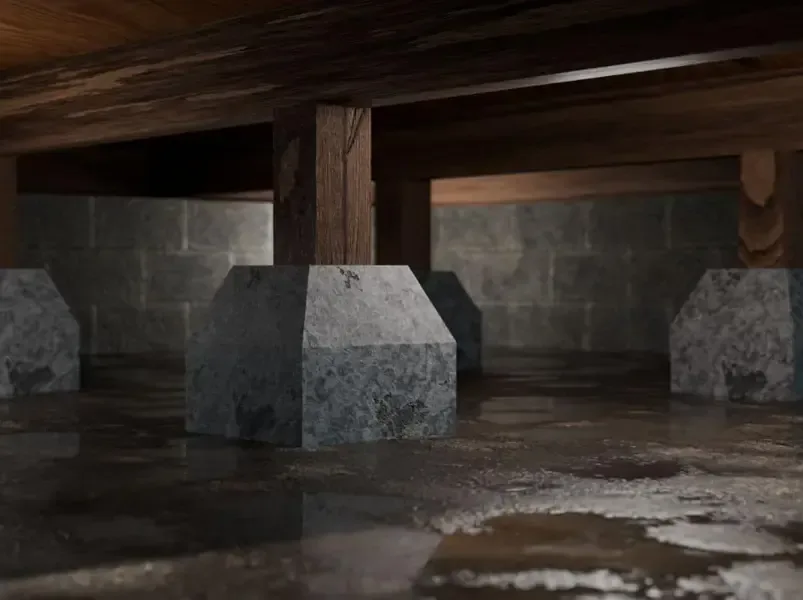 Crawl Space Water RemovalRestricted access below a floor changes how standing water, wet insulation and damp structural wood are approached.Plan underfloor water removal
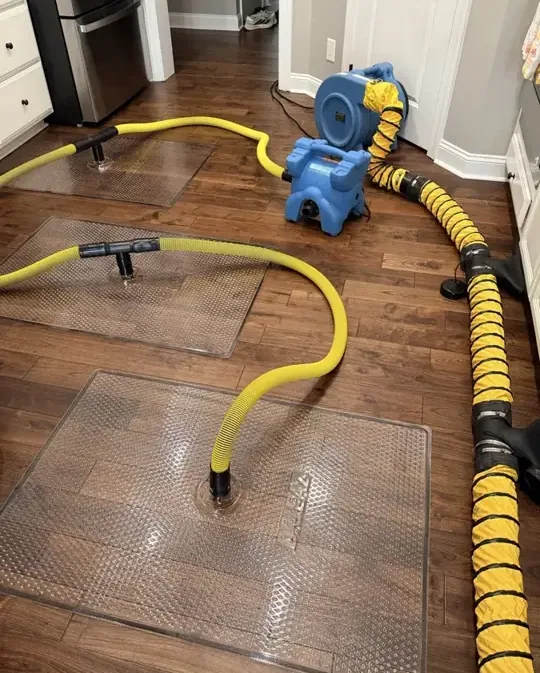
 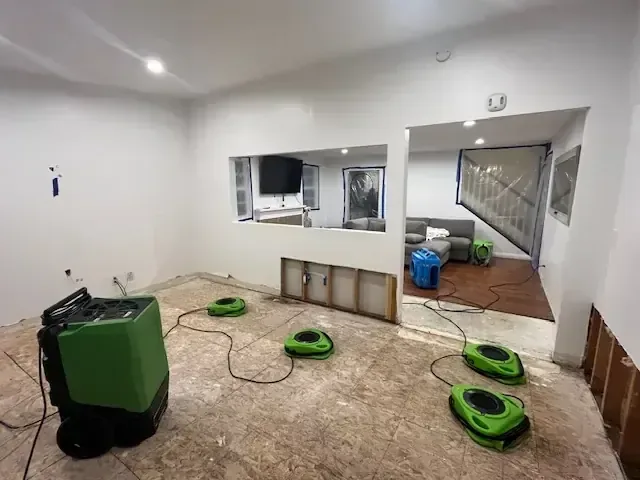 Structural DryingRepeated readings track moisture inside building materials while controlled airflow and dehumidification support the drying work.Understand the drying goal
 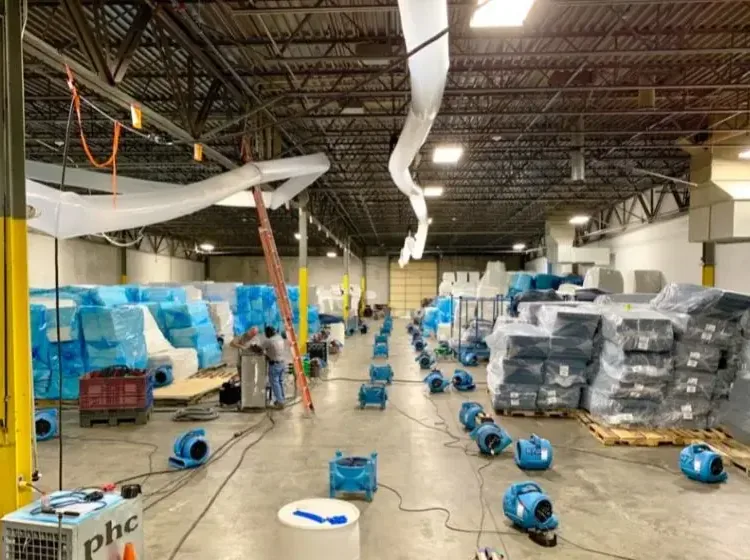 Commercial Water DamageWet business premises require coordinated access, protected records and a work area separated from unaffected activities.Coordinate business recovery
 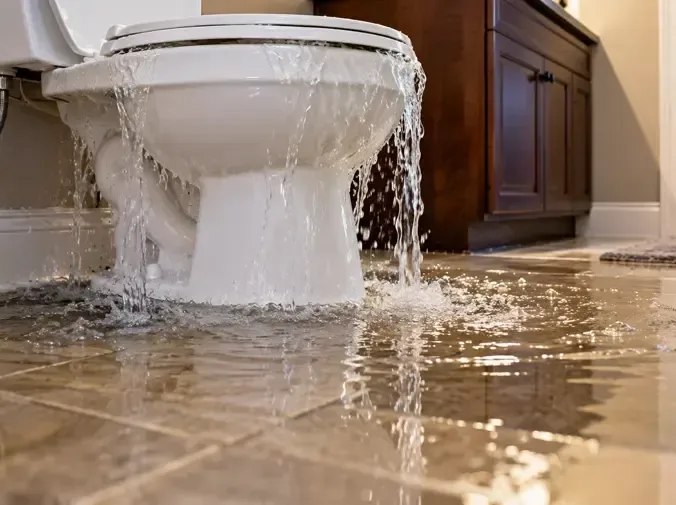 Toilet Overflow CleanupThe difference between a supply leak and bowl overflow determines how bathroom surfaces and contents are handled.Compare overflow sources
 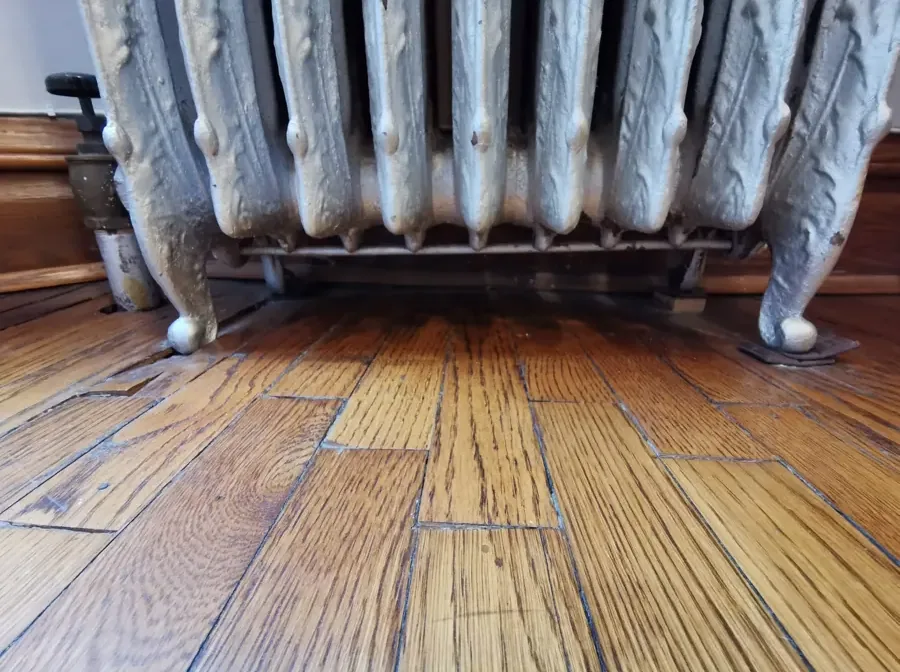 Hardwood Floor Water DamageRaised board edges need an assessment of the wood, fastening system and moisture beneath the finished surface.Review wood floor recovery
 Why Hollywood homeowners call for water damage help
Material by material
Carpet, concrete and wood hold moisture differently, so each affected assembly needs an appropriate assessment before a drying method is selected.
Defined work areas
Containment and access arrangements keep wet materials and equipment away from the rooms that occupants still need to use.
Recorded progress
Moisture readings show how the structure responds and help identify concealed sections that need better access or a different setup.
Repair readiness
Closing an opening or replacing flooring comes after the retained materials meet the drying goals set for that particular building.
Follow the water through the building
The inspection follows the path from the source to adjoining materials. Extraction, cleaning and drying then address that path, with progress documented so the remaining repair work can be planned clearly.
- 1
Map the wet boundary
Check the visible room and adjacent surfaces to identify where water traveled beneath finishes or into a concealed cavity during the incident.
- 2
Remove what cannot remain
Extract accessible water and separate unsalvageable materials, using the water condition and material condition to determine appropriate removal and cleaning methods.
- 3
Dry the retained structure
Position equipment for the exposed assemblies and track readings so airflow or access can be adjusted when a section remains wet.
- 4
Prepare the repair record
Summarize affected areas, material decisions and final readings so the owner can coordinate any plumbing repairs, replacement finishes or remaining reconstruction.
The cleanup method begins with the source
Supply water release
A pipe failure needs source control, extraction and assessment of the materials reached before the water stopped.
Explore water extractionUsed appliance water
Water from a washing cycle can contain residues that change the cleaning and material removal decisions indoors.
Assess appliance damageWastewater entry
A drain backup needs restricted access and controlled removal before cleaning or drying the remaining building surfaces.
Understand sewage cleanupWhat affects water damage costs in Hollywood?
Water damage work in Hollywood is scoped by wet material area, contamination, access and drying needs. These planning ranges describe different levels of work; the property assessment determines the actual cleanup estimate.
Limited affected area
$1,000 to $2,000
- Accessible wet surfaces
- Focused material checks
- Localized drying setup
Connected room damage
$2,000 to $4,500
- Several wet assemblies
- Selective material access
- Expanded equipment placement
Extensive interior loss
$4,500 to $7,500
- Broader removal needs
- Complex access conditions
- Extended moisture monitoring
Source repairs, reconstruction and replacement finishes should be identified separately in the estimate. A written scope makes clear which materials are being cleaned, removed or retained for drying at the property.
Document the damage as it changes
A useful claim file connects the visible damage to the cleanup work. Photographs, an item list and dated moisture records help the property owner explain the loss to the insurer.
- Photographs of each affected room before cleanup
- A description of the first visible leak
- Receipts for emergency work and source repairs
- A list of damaged belongings and materials
- Dated drying records and the written scope
When paying for work directly
An itemized estimate helps the owner prioritize urgent removal and drying while keeping finish replacement visible as a separate decision. The scope should identify any access limitations.
Payment arrangements and repair scheduling can be discussed before work begins. New damage uncovered during material removal should be documented and explained before the cleanup scope expands.
Plan access to the affected property
Streets that help identify access
Postal areas
Additional service areas
Share building access details before the visit
Franklin Village, Little Armenia and Thai Town provide useful location details when discussing a loss. A manager should also identify locked entrances, equipment access and the affected floor.
For properties around Yucca Corridor or Spaulding Square, the intake conversation can describe parking access and interior restrictions alongside the water source and rooms needing assessment.
Hollywood, CA · [email protected]
See the complete service selection(888) 578-6508 Describe the property accessThe work continues beyond removing the puddle
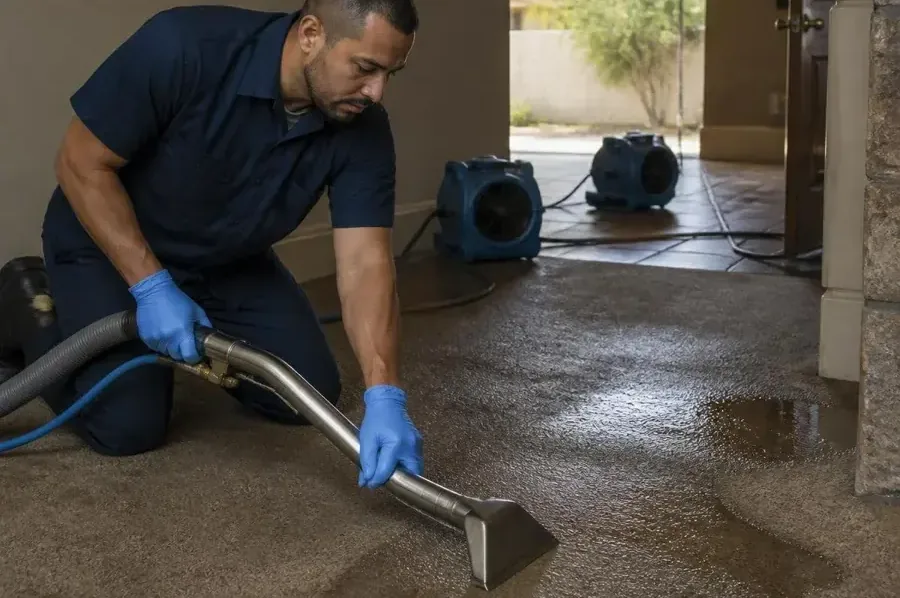
Water can cross more than a threshold
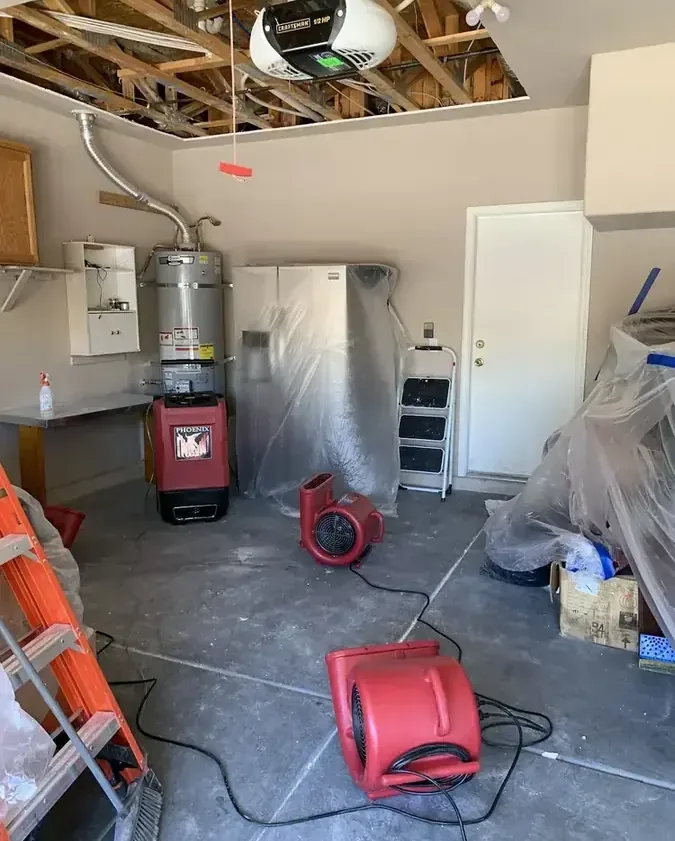
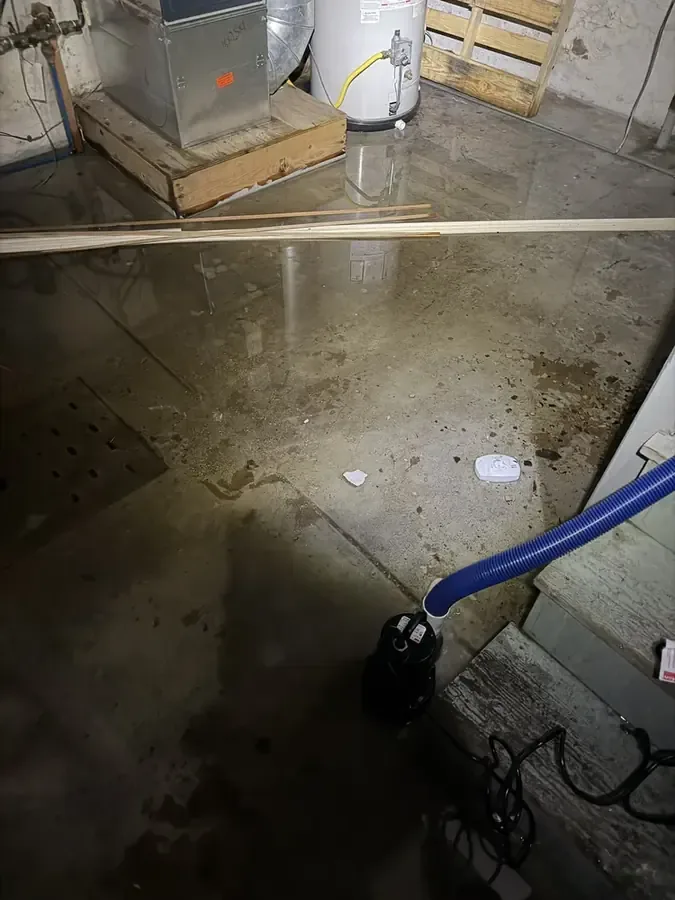
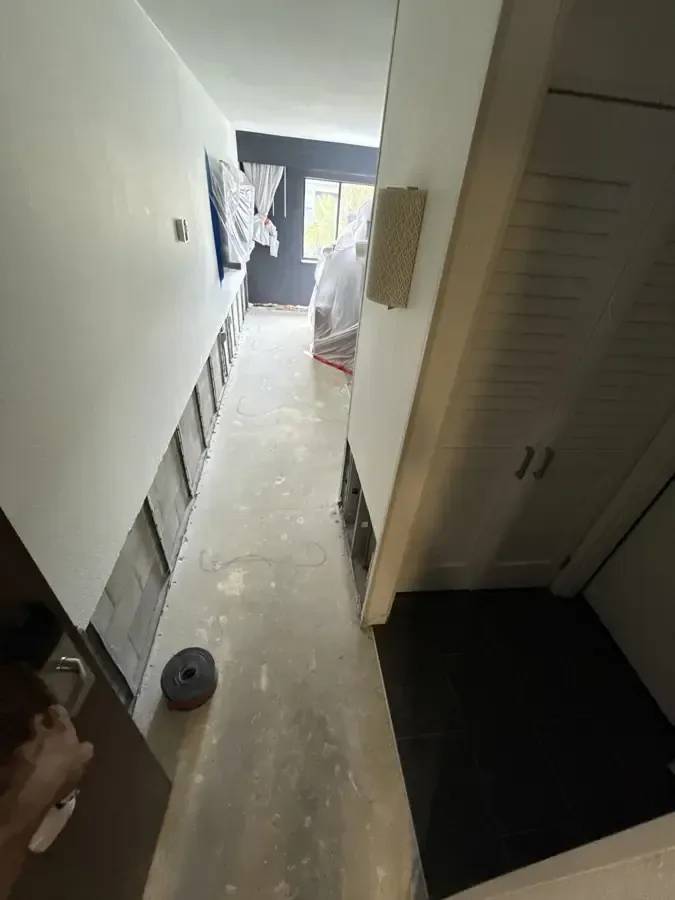
A Hollywood water incident can affect garages, rooms and concealed assemblies differently. The assessment starts with where water entered and follows the materials it touched, including areas outside the most obvious puddle.
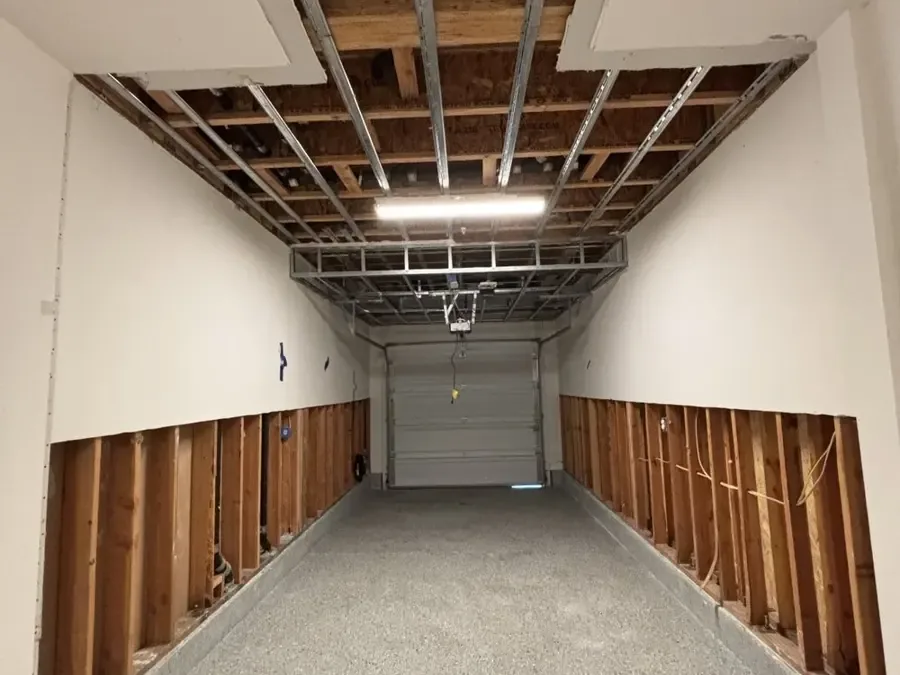
January 27, 2022: A Cahuenga Boulevard water main break flooded streets and garages. The incident also closed the North Highland off ramp of the northbound 101 Freeway for hours.
Low storage areas
Belongings placed directly on a garage floor can obstruct extraction and remain damp underneath even after the open floor has been cleared of water.
Concealed floor edges
Water reaching a doorway may continue beneath trim or flooring, making the adjacent room part of the inspection even when its surface looks dry.
Preserved building details
Whitley Heights and Spaulding Square have historic preservation designations. Work affecting protected building details needs coordination before intrusive access or replacement is planned.
Shared interior access
An apartment leak can require entry to adjoining spaces. Early owner and occupant communication helps build a complete picture of the affected walls and ceilings.
Different water sources
Rain entry, a supply pipe release and sewage require different handling. Identifying the source helps determine how contents, porous finishes and retained surfaces are treated.
Questions after water reaches a room
Does removing standing water finish the cleanup?
Extraction removes accessible liquid, but building materials can still hold moisture. The inspection should include adjoining walls, floor coverings and concealed layers. Drying equipment and repeated measurements address the moisture that remains after the visible water has been collected.
What should a tenant tell the property manager?
The useful details are where water first appeared, whether it is still entering and which rooms or belongings are wet. Photographs can show changes over time. The manager can then coordinate entry, source repairs and access to any adjoining spaces.
Can a wet ceiling be opened by an occupant?
A ceiling that is bulging or shedding material needs a restricted area below it. Electrical fittings and trapped water can create additional hazards. An assessment should plan safe access before anyone cuts the ceiling or tries to release the water.
How does a contractor choose what can stay?
Water condition, exposure and the condition of the material all matter. Some surfaces can be cleaned and dried, while damaged or contaminated porous layers may need removal. The estimate should explain those decisions for the actual assemblies found at the property.
Are the listed costs a fixed cleanup price?
The ranges help with initial planning. A written estimate follows inspection of the wet area, material layers, contamination and access. Plumbing work, finish replacement and other repairs should be identified separately so the owner can understand the entire project scope.
Does insurance always cover a leaking appliance?
Coverage depends on the policy and the circumstances of the loss. The insurer makes that decision. Keeping photographs, source repair records and cleanup documentation gives the owner a clear account to submit while urgent mitigation and repair decisions are being arranged.
Why are moisture readings needed after surfaces dry?
A painted wall or floor finish can look normal while the layer behind it remains damp. Measurements help compare affected materials with suitable dry reference areas. That record supports decisions about equipment adjustments and when retained assemblies are ready for repair.
What changes when outdoor water enters a garage?
The assessment considers where the water came from, what it carried and what it contacted inside. Storage, wall edges and door thresholds may need attention as well as the open floor. Cleaning and material removal are planned around those findings.
Explain what is wet right now
A description of the source, affected rooms and access conditions helps organize the next assessment and identify any immediate restrictions at the property.
(888) 578-6508 Discuss the wet areasArrange the next step for a wet property
Describe the source and affected spaces so removal, safe access and material drying can be discussed together.
(888) 578-6508 Talk through the water damage