Roof Leak Water Damage in Hollywood
A ceiling stain can sit away from the roof opening that caused it. Hollywood roof leak restoration follows the interior water path through sheathing, insulation and finishes before concealed areas are closed.
(888) 578-6508 Assess the rain damaged interior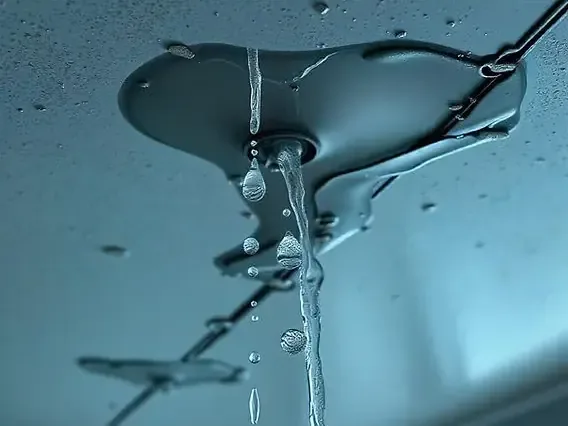
A drip in the middle of a ceiling can result from water traveling along framing before finding a way down. Looking only at the stain can leave wet material above it untreated. Interior assessment starts with a safe view of the affected ceiling and available attic access, then follows the damp path through insulation and wood rather than assuming the opening sits directly overhead.
First steps for roof leak water damage
- Clear the area below. Keep occupants away from a sagging or shedding ceiling and avoid using electrical fittings touched by the leak until the area has been assessed safely.
- Record the rain connection. Describe when dripping appeared and which ceiling sections changed, using photographs from a dry position to document the progression.
- Arrange roof attention. Coordinate a roof assessment and any needed weather protection through the owner while interior cleanup is being planned.
- Identify attic access. Tell the assessor about available hatches, stored items and restricted spaces so inspection can reach the affected assembly without unsafe entry.
How roof leak water damage progresses
- 1
Trace the overhead moisture path
The inspection connects ceiling symptoms with attic materials, checking where water traveled along framing and whether adjacent insulation or finishes were affected.
- 2
Coordinate source control and protection
Roof work and the interior scope are aligned so the occupied space stays protected while safe material access and removal decisions are planned below the leak.
- 3
Dry exposed retained roof materials
Equipment and access are selected for the actual wet layers, with moisture checks following framing and ceiling materials that remain after unsuitable insulation or finishes are removed.
- 4
Prepare a clear ceiling repair handoff
Documentation identifies roof repair status, completed drying and outstanding insulation or finish work, helping the owner plan closure of the assembly.
Architectural details need a deliberate access plan
El Cabrillo is a Spanish Colonial Revival landmark, and Villa Las Colinas is a Mission Revival estate. Whitley Heights also carries a historic preservation designation. For a property with decorative ceilings or protected details, the owner should coordinate any intrusive work before finishes are opened. The assessment identifies the actual wet assembly and explains why a particular access point is needed.
Interior cleanup and roof repair serve different purposes. A roofer addresses the entry opening and weather protection. Restoration addresses the water already held inside the building. The scopes should be coordinated so a continuing leak does not repeatedly wet material during drying, and so roof work does not lead to premature closure of a damp interior cavity.
- Darkened attic wood needs moisture assessment alongside a check of the insulation and ceiling layers beneath it.
- A bulging ceiling should have a restricted area below it until its stability and safe access are assessed.
- Stored items beneath a leak can remain damp against the floor even after the overhead dripping stops.
- Electrical fixtures along the water path require attention before anyone reaches into the affected ceiling or attic space.
Expose enough of the assembly to assess it
Wet insulation may obstruct both inspection and drying. Depending on its condition and location, selective removal can be needed to reach retained framing or the back of a ceiling. The work record should show the areas opened and materials removed. That record helps explain why the interior scope may extend beyond the small stain that first alerted the occupant.
- Record whether dripping followed rainfall and whether it continued after the weather changed outside the property.
- Arrange keys or access to the attic hatch without asking occupants to cross unsupported ceiling surfaces.
- Keep any roof repair notes with interior photographs so the source work and damage work remain connected.
- Protect usable furniture below the work area when it can be moved safely without entering the damaged zone.
Wait for material readiness before closing the ceiling
The ceiling leak assessment addresses damaged overhead finishes, while drying follows the remaining framing and other wet layers. Measurements at the affected materials help determine the next step. A stain that has faded or stopped growing is only a visual change; the repair sequence should follow the condition inside the assembly.
Once the retained materials meet the specified drying goals, replacement insulation and finish work can be planned with a clearer understanding of the completed mitigation and remaining construction tasks.
Discuss the wet materials before repairs
An overhead stain can point to wet layers beyond the visible ceiling patch. Describe the rain entry and available attic access to arrange an interior assessment alongside the roof repair work.
(888) 578-6508 Discuss the wet attic layersWhat does roof leak water damage cost in Hollywood, CA?
Roof leak damage work in Hollywood depends on the interior spread, attic access and wet insulation or ceiling layers. These ranges describe restoration planning; roof repairs and the replacement of interior finishes should be priced as identified tasks.
Small ceiling area
$1,000 to $1,900
- Localized overhead damage
- Accessible wet material
- Focused moisture checks
Attic and ceiling layers
$1,900 to $3,200
- Insulation access needs
- Wet framing assessment
- Expanded drying work
Broader interior spread
$3,200 to $4,800
- Multiple wet sections
- Additional surface protection
- Coordinated material removal
The figures describe typical work scopes, not a quote. Water category, affected area, access and the time before drying change the scope. Compare the inputs in the water damage cost calculator.
Documentation for your insurance claim
The restoration contractor records the water source, affected rooms and moisture readings before removal begins. Timestamped photographs show damaged materials and the reason for opening a wall or lifting a floor. Daily temperature, humidity and material readings document progress against a dry comparison area. An itemized scope separates extraction, disposal, cleaning and equipment use from plumbing repairs and finish replacement. The property owner keeps invoices and the initial discovery details with that record. An insurer evaluates coverage under the actual policy; a sudden plumbing release, outside flooding and a sewer backup can receive different treatment. The adjuster decides coverage, and the homeowner checks deductibles, exclusions and any applicable endorsements directly with the insurer.
Daily measurements support the IICRC S500 drying goal. The drying crew compares similar materials and investigates readings that stop improving before equipment leaves.
Roof leak water damage in Hollywood
Hollywood interior leak assessments serve properties near El Cabrillo, Villa Las Colinas and Whitley Heights, with attic access and any protected building details considered during work planning.
The same service nearby: roof leak water damage in Valley Village, Studio City, North Hollywood.
All water damage services in Hollywood · View all service areas
Roof Leak Water Damage questions in Hollywood, CA
Is the roof opening always directly above the stain?
Water can travel along roof framing or other surfaces before reaching the ceiling below. The assessment needs to follow that path through accessible materials. A roof inspection and an interior moisture inspection can therefore involve different locations while addressing the same rain entry incident.
Can a bucket beneath the drip prevent building damage?
A container may catch some water when the area is safe, but it does not reach moisture already in insulation, framing or the ceiling. A sagging overhead surface also presents a separate hazard. Keep the damaged zone restricted and arrange assessment of the wet assembly.
Does wet attic insulation always remain in place?
The insulation type, condition and accessibility determine the decision. Wet material can obstruct inspection and hold water beside the structure. Removal may be required to expose retained framing or ceiling layers for drying, with the scope explaining the reason and the later replacement work.
Who determines whether decorative ceiling details can stay?
The assessment considers their condition and the access needed to reach moisture behind them. The owner should coordinate any applicable preservation requirements when protected details are involved. Proposed openings and retained finishes need a clear plan before intrusive work changes the affected ceiling assembly.
Should repainting begin as soon as the stain fades?
Repainting belongs after the source is controlled and retained materials have reached suitable drying conditions. A surface stain can change while concealed layers remain damp. Moisture documentation helps confirm readiness for closure and finish work instead of using the stain's appearance as the deciding factor.
What roof repair information helps the interior crew?
Provide the observed entry location, work completed and whether temporary protection remains in place. Interior photographs and the timing of dripping are also useful. Connecting these records helps the teams coordinate source control with access, drying and eventual closure of the ceiling beneath the leak.
A clear scope starts with the source
An overhead stain can point to wet layers beyond the visible ceiling patch. Describe the rain entry and available attic access to arrange an interior assessment alongside the roof repair work.
(888) 578-6508 Discuss the wet attic layersFollow rainwater before closing the ceiling
Material checks connect the overhead damage with the source repair and the finish work still ahead.
(888) 578-6508 Arrange interior rain damage assessment