Ceiling Leak Water Damage in Hollywood
A ceiling that drips or changes shape needs a safe space beneath it. Hollywood ceiling leak cleanup identifies the source, assesses the overhead layers and coordinates access before damaged surfaces are opened.
(888) 578-6508 Arrange an overhead damage assessment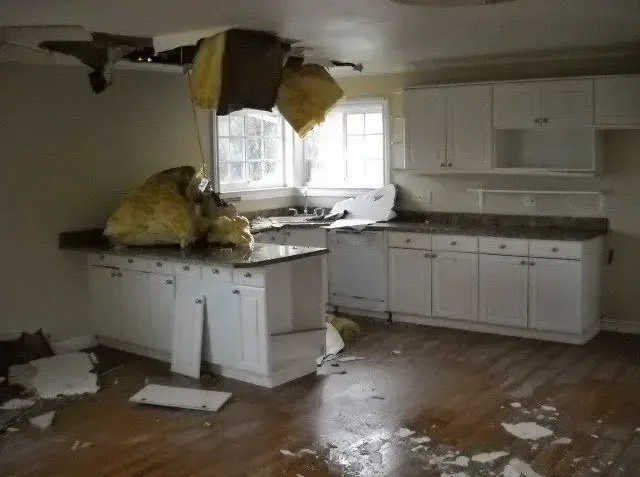
When water appears overhead, the room below needs attention before the ceiling itself is touched. A bulge can contain trapped water, and a light fitting may be in the wet path. Occupants should stay outside the affected zone while safe access is arranged. The inspection then connects the visible mark to the source and the material layers between that source and the room.
First steps for ceiling leak water damage
- Protect the room below. Keep everyone outside the area beneath damaged ceiling material. Avoid lights and other electrical fittings in the wet zone until safe conditions are confirmed.
- Report the timing. Tell the owner when the mark or drip appeared and whether it changes with rainfall or fixture use, without entering unsafe upper spaces to investigate.
- Arrange connected access. Ask the property contact to make the relevant upper room, plumbing area or attic accessible for source investigation and assessment of the overhead assembly.
- Photograph visible progression. Take pictures from a dry position, showing the ceiling and affected walls or belongings before controlled opening changes the room's appearance.
How ceiling leak water damage progresses
- 1
Check ceiling stability and locate the source
The assessment evaluates ceiling damage and coordinates source investigation, identifying access above the room needed before wet material removal can begin safely.
- 2
Expose damaged layers under control
Surface protection supports selective removal of unstable finishes or insulation, creating access to concealed materials requiring inspection and drying.
- 3
Measure the retained ceiling assembly
Readings follow the remaining framing and finish edges as equipment operates, helping identify pockets that need better airflow or an adjustment to the available cavity access.
- 4
Coordinate the ceiling repair sequence
The handoff records source repair status, material condition and outstanding patching or decorative work so the owner can plan closure of the assessed overhead assembly.
Access above the room can be essential
In Yucca Corridor, a manager arranging a ceiling assessment should confirm whether entry to another space is needed. An occupant in Little Armenia can help by reporting when dripping starts and which fixtures were in use nearby. At a Franklin Village property, the available upper level or attic access becomes part of the work plan before the ceiling finish is opened.
A ceiling leak can originate from a supply pipe, a draining fixture or rain entry. Those sources affect both repair coordination and cleanup methods. The first visible stain cannot identify every wet layer above it. Measurements, source investigation and selective access build the picture needed to decide whether the finish can remain or whether damaged material must be removed.
- Keep people away from soft, bulging or detached overhead surfaces until the structure and access have been assessed.
- Do not puncture a wet ceiling while standing beneath it or near fittings affected by the water path.
- Move dry furniture outside the work zone only when the route remains safe and the ceiling condition allows it.
- Record the timing of dripping and any changes after plumbing use or rainfall to support source investigation.
Open the wet assembly with a defined purpose
Controlled access should expose the materials needing assessment and drying. Wet insulation, damaged board and trapped pockets can make a small visible stain part of a larger scope. The estimate should explain the proposed opening and surface protection. Photographs of the cavity help the owner understand the condition before patches conceal the repaired area again.
- Identify access restrictions above and below the ceiling so equipment and material handling can be planned together.
- Separate repair of the leaking fixture or roof from removal of the ceiling materials damaged by its water.
- Check the wall junction and floor below when dripping has spread beyond the original overhead mark.
- Keep the occupied portion of the room protected from debris while wet layers are removed or assessed.
Dry the cavity before the room looks finished
The roof leak service addresses rain related interior damage, while a plumbing source needs the appropriate repair coordination. In either case, the retained ceiling assembly needs drying measurements before closure. The record should identify the wet materials, completed removal and any sections that still require access or additional work.
Replacing the visible patch is the final appearance change. Source control and suitable moisture conditions come first so the repaired surface closes an assessed assembly rather than hiding damp material.
Discuss the wet materials before repairs
A wet ceiling needs a safe approach above and below the visible mark. Describe the ceiling condition, source clues and connected access so the contractor can plan access, removal and drying.
(888) 578-6508 Discuss safe ceiling accessWhat does ceiling leak water damage cost in Hollywood, CA?
Hollywood ceiling leak cleanup ranges reflect overhead access, damaged material area and cavity moisture. The estimate should distinguish assessment and drying from source repairs, ceiling replacement and decorative finishing required after the wet assembly is ready.
Localized stain and moisture
$900 to $1,600
- Focused ceiling checks
- Limited access
- Targeted drying
Open ceiling cavity
$1,600 to $2,800
- Selective overhead removal
- Exposed layer assessment
- Cavity moisture tracking
Several bays or rooms
$2,800 to $4,200
- Broader overhead spread
- Multiple access points
- Expanded material drying
The figures describe typical work scopes, not a quote. Water category, affected area, access and the time before drying change the scope. Compare the inputs in the water damage cost calculator.
Documentation for your insurance claim
The restoration contractor records the water source, affected rooms and moisture readings before removal begins. Timestamped photographs show damaged materials and the reason for opening a wall or lifting a floor. Daily temperature, humidity and material readings document progress against a dry comparison area. An itemized scope separates extraction, disposal, cleaning and equipment use from plumbing repairs and finish replacement. The property owner keeps invoices and the initial discovery details with that record. An insurer evaluates coverage under the actual policy; a sudden plumbing release, outside flooding and a sewer backup can receive different treatment. The adjuster decides coverage, and the homeowner checks deductibles, exclusions and any applicable endorsements directly with the insurer.
Daily measurements support the IICRC S500 drying goal. The drying crew compares similar materials and investigates readings that stop improving before equipment leaves.
Ceiling leak water damage in Hollywood
Hollywood ceiling assessments can be coordinated in Yucca Corridor, Little Armenia and Franklin Village, including owner or manager arrangements for access above the room where dripping first appeared.
The same service nearby: ceiling leak water damage in Valley Village, Studio City, North Hollywood.
All water damage services in Hollywood · View all service areas
Ceiling Leak Water Damage questions in Hollywood, CA
What does a bulging ceiling mean for room access?
A bulge can indicate trapped water and weakened material, so the area beneath it should remain restricted. Do not press or puncture the surface from below. Assessment should assess overhead stability, electrical concerns and a controlled way to reach the affected layers before removal begins.
Can a plumbing leak stain a ceiling away from its source?
Water can move along framing or other concealed surfaces before it reaches the room below. The stain location is therefore one observation in the source investigation. Access above the ceiling and moisture checks help connect that visible symptom to the actual wet path inside the assembly.
Does the upper occupant need to provide entry?
Entry may be needed when source investigation or moisture assessment reaches a connected upper space. The owner or manager should coordinate that access and the relevant fixture repairs. A complete inspection can require more than the room where the first visible dripping appeared below.
Is an intact ceiling always suitable to dry in place?
Material condition and cavity access determine whether it can remain. Wet insulation or trapped moisture may prevent effective drying behind an intact finish. The scope should explain any planned opening and identify what will be retained, removed and later replaced after the wet area is assessed.
Will the floor beneath the drip be included?
The inspection should follow water that reached furniture, wall edges or floor coverings below the ceiling. Those surfaces may need extraction or separate moisture checks. Documenting the whole path helps avoid a scope that repairs the overhead patch but misses damage in the room underneath.
When can the ceiling patch be painted again?
Painting follows source control, suitable drying of retained materials and completion of the required patching work. A stain becoming lighter does not measure concealed moisture. The drying record and repair requirements determine the appropriate sequence for closing and finishing the affected ceiling at the property.
A clear scope starts with the source
A wet ceiling needs a safe approach above and below the visible mark. Describe the ceiling condition, source clues and connected access so the contractor can plan access, removal and drying.
(888) 578-6508 Discuss safe ceiling accessPlan the work above the room
Source investigation and moisture checks identify what needs attention before a new finish closes the cavity.
(888) 578-6508 Arrange the ceiling cavity assessment