Commercial Water Damage in Valley Village, CA
The commercial restoration team assesses the source, affected materials and safe access before dividing a property into work zones. Managers receive a clear account of extraction, removal and measured drying needs.
(888) 578-6508 Discuss the wet business space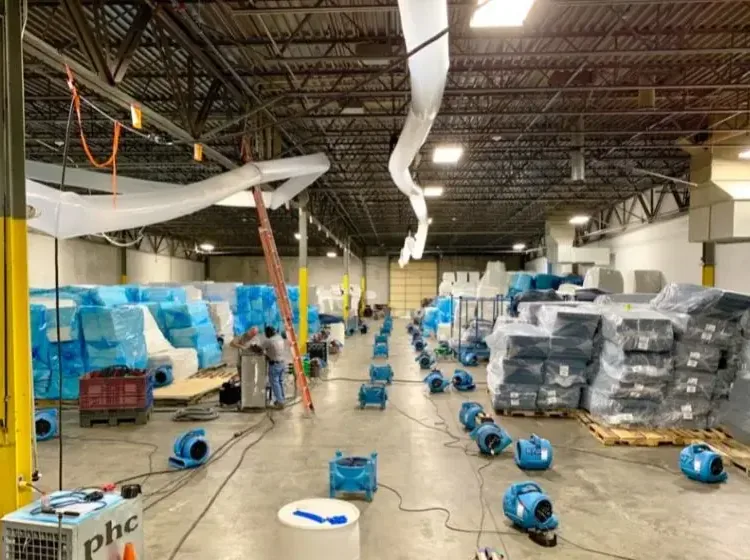
Commercial water damage in Valley Village can interrupt a shop, office or managed property even when only part of the floor is wet. The response team needs source information, authorized access and a safe route for equipment before work begins. A manager's reopening goal matters, but the contractor must first identify electrical concerns, contamination and the materials that cannot remain in use.
First steps for commercial water damage
- Name an authorized contact. The manager identifies who can approve access and urgent work, then shares source status and affected-room information with the response team.
- Protect public access. Staff keep visitors away from wet floors, damaged ceilings and affected electrical equipment while safe circulation is assessed.
- Preserve business records. The manager saves safe photographs and discovery notes, keeping stock and equipment concerns distinct from the building drying scope.
- Coordinate building entry. The property contact arranges access to adjoining or lower spaces when the water path suggests shared-building exposure.
How commercial water damage progresses
- 1
Assess operational constraints
The contractor checks the source, hazards and wet materials with the manager, identifying access restrictions before proposing phased work or equipment routes.
- 2
Extract and separate
The crew removes pooled water and marks out appropriate work zones, controlling debris and moisture access while protecting unaffected parts of the premises.
- 3
Dry documented assemblies
Technicians set equipment for the actual floor, wall and ceiling materials, recording repeat readings that different managers or shifts can review consistently.
- 4
Prepare the reopening scope
The contractor lists retained-material conditions, remaining repairs and access limits, allowing the manager to coordinate specialist checks and reconstruction before ordinary use resumes.
Setting the work boundary around actual conditions
The Laurel Canyon Boulevard main break near La Maida Street affected water service in a commercial area. The news report documented roadway flooding, not indoor damage to every business. A new commercial loss needs its own inspection before a contractor describes wet interiors or assigns a cause. The manager records observed entry and source-service findings separately.
Properties along Burbank Boulevard may combine business uses and nearby residences. The cleanup plan should reflect the building actually inspected, including shared access and spaces below the release when relevant. The manager identifies current occupancy, while the technician checks floor construction and the spaces actually affected.
- The manager identifies the person who can authorize access, material removal and coordination with other trades.
- The crew separates wet work zones from public circulation and explains any necessary occupancy restrictions.
- Technicians document equipment, fixtures and stored materials that obstruct inspection of the floor or wall boundary.
- The contractor checks electrical and source-control conditions before promising that part of the premises can remain open.
Protecting records and measuring hidden spread
A water loss can extend beneath fixed cabinets, partitions or floor finishes. The technician maps those areas and explains any access limits. Around Riverside Drive, the same process follows the actual wet assembly rather than a standard commercial-room assumption. Managers should preserve discovery photographs and service records without delaying urgent source control.
- Room-level notes separate damaged areas from dry spaces that only provide equipment access.
- Removal photographs explain why a partition, floor covering or other finish could not remain.
- Drying logs record material and ambient conditions so progress remains visible across different staff shifts.
- An itemized scope distinguishes building restoration from damaged stock, equipment service and business interruption questions.
Reopening with a clear list of remaining tasks
Phased work can sometimes help preserve usable space, but it depends on safe separation and the source category. A contractor should not promise uninterrupted operations before inspecting the loss. The manager coordinates any required inspections and specialist repairs while the restoration team documents the cleaned and dried materials.
The handoff should identify what remains restricted, what needs reconstruction and which equipment can leave. That clarity helps staff plan around real conditions instead of assuming that removal of the last puddle means the premises are ready for ordinary use.
Discuss the wet materials before repairs
A wet business needs a practical work boundary and a clear decision contact. Describe affected rooms, operating constraints and the source status before setting the mitigation scope.
(888) 578-6508 Review business-space accessWhat does commercial water damage cost in Valley Village, CA?
Commercial water damage mitigation often ranges from $2,000 to $12,000 for smaller premises. Floor area, access hours, contamination and fixed interiors influence cost. Large losses, stock replacement and business interruption require separate assessment.
Contained business area
$2,000 to $4,000
- Source and safety checks
- Focused extraction
- Initial room records
Several affected rooms
$4,000 to $7,500
- Work-zone separation
- Material access
- Managed drying
Complex premises loss
$7,500 to $12,000
- Coordinated access
- Broader removal scope
- Detailed handoff records
The figures describe typical work scopes, not a quote. Water category, affected area, access and the time before drying change the scope. Compare the inputs in the Valley Village water damage cost calculator.
Documentation for your insurance claim
The restoration contractor records the water source, affected rooms and moisture readings before removal begins. Timestamped photographs show damaged materials and the reason for opening a wall or lifting a floor. Daily temperature, humidity and material readings document progress against a dry comparison area. An itemized scope separates extraction, disposal, cleaning and equipment use from plumbing repairs and finish replacement. The property owner keeps invoices and the initial discovery details with that record. An insurer evaluates coverage under the actual policy; a sudden plumbing release, outside flooding and a sewer backup can receive different treatment. The adjuster decides coverage, and the homeowner checks deductibles, exclusions and any applicable endorsements directly with the insurer.
Daily measurements support the IICRC S500 drying goal. The drying crew compares similar materials and investigates readings that stop improving before equipment leaves.
Commercial water damage in Valley Village
Coverage includes homes and businesses around Laurel Canyon Boulevard, Colfax Avenue and Burbank Boulevard, with ZIP 91607 and 91617. The work scope follows the actual wet rooms and materials.
Additional service areas include Sherman Oaks, Studio City, North Hollywood, Encino and Hollywood.
Commercial Water Damage questions in Valley Village, CA
Can the business stay open during drying?
That depends on the source category, electrical safety, access and effective separation of the work area. The contractor assesses conditions before discussing phased use. A manager should not assume that equipment can operate beside customers merely because the wet floor occupies a small area.
Who should authorize emergency work?
The property's authorized manager or owner should confirm access and the work scope. Tenants and staff can report conditions and preserve safe photographs, but the contractor needs a clear decision contact. Shared-building losses may also require coordination with the party responsible for adjoining spaces.
Are damaged stock and building materials one scope?
They can require different assessments and claim records. The restoration contractor documents the affected structure and mitigation work, while the manager inventories stock or equipment separately. An itemized approach helps avoid treating a building dry-out price as the complete business loss.
Why are readings kept by room?
Room-level records distinguish wet assemblies from unaffected areas and show which zones are progressing. They also make handoffs between staff or managers clearer. Separate readings for affected partitions, floor layers and accessible ceiling cavities allow the manager to see which spaces still require drying.
Does a main break nearby prove the source?
No. The reported Laurel Canyon Boulevard event provides local context but cannot diagnose a different loss. The technician records actual entry, source observations and utility or plumbing findings. The manager should keep those facts separate from assumptions based on a nearby street incident.
What is needed before reopening a cleaned area?
The manager reviews source correction, safety concerns, cleaning status, material readings and any required specialist work. The contractor explains remaining restrictions and reconstruction needs. An area with no visible water may still contain damp assemblies or hazards that prevent normal use.
A clear scope starts with the source
A wet business needs a practical work boundary and a clear decision contact. Describe affected rooms, operating constraints and the source status before setting the mitigation scope.
(888) 578-6508 Review business-space accessPlan the commercial dry-out around safe access
The restoration team records affected materials and explains the steps that remain before ordinary use.
(888) 578-6508 Arrange commercial water assessment