Water Extraction in Valley Village, CA
The extraction crew removes standing water, checks how far it traveled beneath flooring and prepares wet rooms for controlled drying. Valley Village homes and businesses receive 24/7 water damage assistance.
(888) 578-6508 Arrange pooled-water removal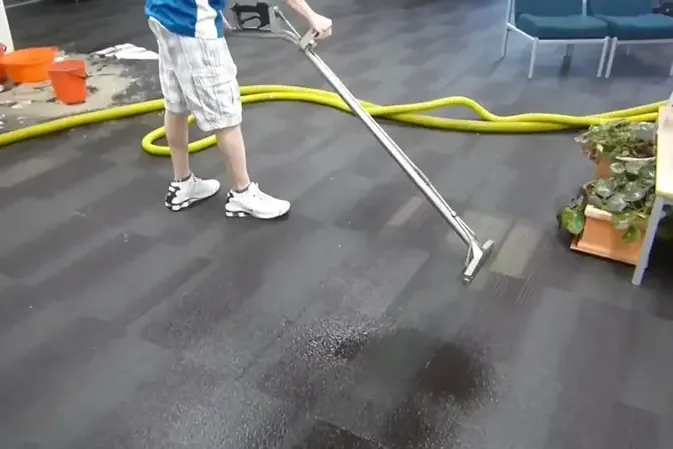
A wet floor may hide a larger loss beneath the finish. Water extraction in Valley Village begins with the source, the water category and a safe path into the affected rooms. The restoration technician checks adjoining closets and wall edges before selecting a pump or extraction head. A mop can clear a visible puddle while leaving saturated carpet pad against the subfloor.
First steps for water extraction
- Keep clear of electricity. Residents avoid wet outlets, cords and appliances, and leave any energized or structurally unsafe room before arranging cleanup.
- Stop an accessible supply. The property owner closes a known shutoff only from a dry, safe position, then leaves plumbing diagnosis to the appropriate professional.
- Protect access routes. The manager keeps residents and pets away from wet corridors while the crew identifies a safe hose and equipment route.
- Record the visible spread. An occupant photographs affected rooms from a safe position and notes the discovery time without stepping into questionable water.
How water extraction progresses
- 1
Assess the release
The technician traces the water boundary and checks source category, floor layers and electrical conditions before deciding which rooms can be entered safely.
- 2
Recover liquid water
The extraction crew selects pumps or surface tools for the depth and material, then checks edges and adjoining rooms for remaining pockets.
- 3
Expose trapped moisture
The restoration contractor evaluates pad, baseboards and cabinet edges, removing material when contamination or restricted access prevents an effective dry-out.
- 4
Verify the next scope
The drying team records material readings and ambient conditions, explains remaining wet areas and sets equipment according to the measured evaporation load.
Removing water from connected rooms
The reported Colfax Avenue pipe incident affected four stacked apartments. That example shows why a walkthrough follows the water beyond the room where someone first noticed it. An extraction crew checks lower rooms, shared passages and the underside of wet ceilings when access permits. The manager identifies which units need entry; crews record separate room readings instead of treating the building as one undifferentiated wet area.
On Laurel Canyon Boulevard, the documented public-main break flooded the roadway near La Maida Street. A property affected by outside water requires a different contamination assessment from a fresh indoor supply release. The technician asks where the water originated and what it crossed before entering.
- The crew checks electrical hazards before placing equipment in standing water or running a hose through a work area.
- Extraction heads match the surface, because carpet, tile and exposed concrete release pooled water differently.
- Furniture contact points and cabinet toe-kicks receive attention when water has moved beneath apparently dry edges.
- Technicians separate clean access routes from contaminated rooms so shoes and hoses do not spread affected water.
Why extraction precedes the dry-out
Liquid removal reduces the amount of moisture that dehumidifiers must collect from the air. The drying team then measures the remaining moisture in walls, floors and framing. A surface that stops reflecting water is only one checkpoint. Wet padding, swollen underlayment and enclosed wall cavities can continue feeding humidity into a room after the puddle disappears.
- A moisture map records the wet boundary before the crew positions air movers around the room.
- Porous materials exposed to contaminated water may require removal instead of drying in place.
- Daily checks compare affected materials with suitable dry references and identify areas needing better access.
- The contractor explains whether the scope covers extraction alone or includes continuing structural drying and disposal.
Access and records for occupied properties
Homes around Burbank Boulevard may need a clear equipment route through a living area. The response team discusses pets, belongings and access before running hoses or opening materials. Residents should keep people away from wet electrical equipment and unstable finishes. Photographs taken from a safe location can preserve the original water boundary without delaying source control.
The final extraction record should identify the source assessment, rooms treated and materials that remain wet. That record helps the drying crew begin with a measured scope and helps the owner distinguish emergency removal from later flooring or wall repairs.
Discuss the wet materials before repairs
Water beneath floor coverings needs more than a surface wipe. Describe the source, affected rooms and any access restrictions so the extraction scope starts with the right information.
(888) 578-6508 Discuss standing-water recoveryWhat does water extraction cost in Valley Village, CA?
Water extraction commonly costs $700 to $3,500 for a contained loss. Deep standing water, contaminated sources and several connected rooms can raise the total; continuing structural drying and repairs require their own scope.
One accessible room
$700 to $1,300
- Surface recovery
- Edge checks
- Initial moisture map
Several wet rooms
$1,300 to $2,500
- Multiple extraction passes
- Floor-layer assessment
- Equipment access planning
Complex removal
$2,500 to $3,500
- Deeper water handling
- Contamination assessment
- Detailed material inventory
The figures describe typical work scopes, not a quote. Water category, affected area, access and the time before drying change the scope. Compare the inputs in the Valley Village water damage cost calculator.
Documentation for your insurance claim
The restoration contractor records the water source, affected rooms and moisture readings before removal begins. Timestamped photographs show damaged materials and the reason for opening a wall or lifting a floor. Daily temperature, humidity and material readings document progress against a dry comparison area. An itemized scope separates extraction, disposal, cleaning and equipment use from plumbing repairs and finish replacement. The property owner keeps invoices and the initial discovery details with that record. An insurer evaluates coverage under the actual policy; a sudden plumbing release, outside flooding and a sewer backup can receive different treatment. The adjuster decides coverage, and the homeowner checks deductibles, exclusions and any applicable endorsements directly with the insurer.
Daily measurements support the IICRC S500 drying goal. The drying crew compares similar materials and investigates readings that stop improving before equipment leaves.
Water extraction in Valley Village
Coverage includes homes and businesses around Laurel Canyon Boulevard, Colfax Avenue and Burbank Boulevard, with ZIP 91607 and 91617. The work scope follows the actual wet rooms and materials.
Additional service areas include Sherman Oaks, Studio City, North Hollywood, Encino and Hollywood.
Water Extraction questions in Valley Village, CA
Does a wet vacuum replace professional extraction?
A household wet vacuum may collect a small clean puddle when electricity is safe. Source classification and moisture beneath flooring still require separate inspection. The extraction technician checks hidden layers and determines whether additional removal and drying are needed.
Can extraction preserve carpet?
The crew evaluates the source, exposure time, backing, pad and subfloor together. A promptly addressed clean-water loss can sometimes allow carpet recovery. Sewage or outside contamination changes that decision, and drying contaminated padding in place is not an acceptable substitute for removal.
Why inspect another apartment when only one reported a leak?
Water can follow penetrations and floor assemblies before appearing below. The Colfax Avenue incident involved stacked units, so a manager should identify accessible rooms beneath the source. The technician documents actual readings rather than assuming every adjacent unit is affected.
What happens after the visible water is gone?
The drying team measures materials, sets a dry reference and places equipment for the remaining evaporation load. Follow-up readings show whether the structure is progressing. Replacing a baseboard or turning off fans because a floor feels dry can leave hidden moisture behind.
Does extraction include repairing the leaking pipe?
The written scope should separate source repair from water removal. A plumber handles the leaking supply or fixture, while the restoration contractor handles extraction and affected materials. The owner should confirm who performs each task before authorizing further work.
Is emergency extraction available overnight?
Water damage assistance is available 24/7. The person arranging service should describe the source, water depth, access and any safety concerns. The responding contractor confirms availability and the work plan; a fixed arrival time should not be assumed.
A clear scope starts with the source
Water beneath floor coverings needs more than a surface wipe. Describe the source, affected rooms and any access restrictions so the extraction scope starts with the right information.
(888) 578-6508 Discuss standing-water recoveryStop pooled water from reaching more materials
The response team assesses the source and removes liquid water before planning the remaining dry-out.
(888) 578-6508 Request a water-removal scope