Water Damage Restoration in Studio City
A spreading puddle needs more than towels. Water damage restoration in Studio City begins with the source, follows moisture into surrounding materials, and sets out a practical route toward a dry interior.
(888) 578-6508 Discuss the wet rooms todayVisible water is the starting point; flooring edges and wall cavities need attention during the assessment.
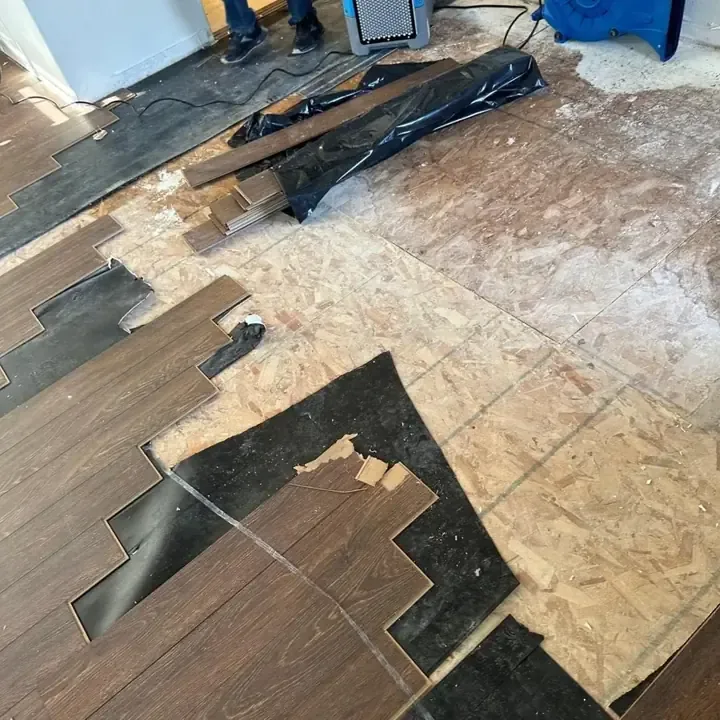
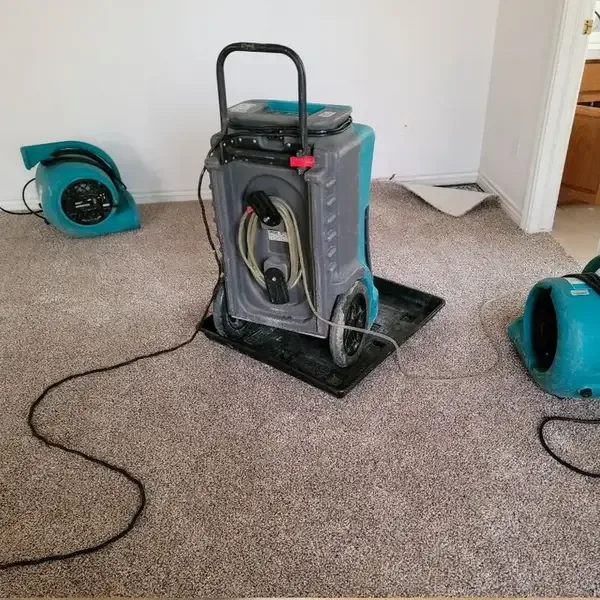
A clear explanation of what needs drying
A room can look better while moisture remains underneath. The assessment should connect visible damage with measured conditions, explain access needs, and identify which materials can reasonably stay during drying.
Make the affected area easier to assess
- Avoid wet electrical areas. Keep people away from wet outlets, cords or appliances until the electrical hazard is addressed.
- Stop an accessible source. Operate a reachable shutoff only from a dry approach and when the control is safe to use.
- Protect the dry rooms. Keep foot traffic and belongings out of contaminated water to limit tracking through unaffected living spaces.
- Record visible changes. Photograph the source and affected finishes from a safe location before cleanup changes the scene.
- Describe hidden concerns. Mention wet cabinetry, ceiling bulges or spreading floor seams when arranging inspection of the affected rooms.
Cleanup that follows the source of the water
Different water losses call for different priorities. These services address the release itself, the surfaces it reached, and moisture concealed beneath finishes or inside building assemblies.
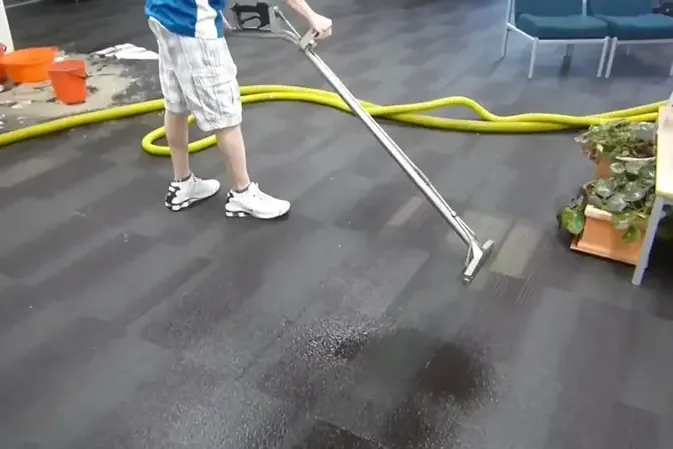 Water ExtractionStanding water comes out first so the condition of carpet, flooring seams and surrounding walls can be assessed.See water removal steps
 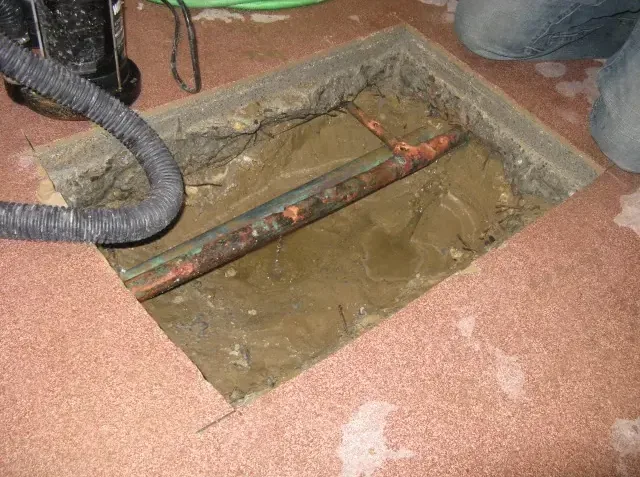 Slab Leak Water DamageDamp flooring above concrete calls for moisture mapping that connects pipe repair with drying of affected floor layers.Plan drying below the floor
 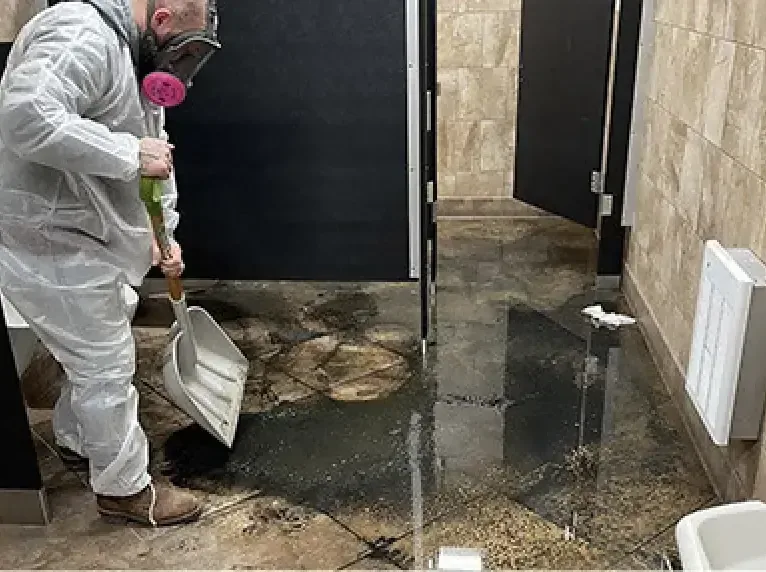 Sewage Backup CleanupContaminated rooms need controlled access, removal of affected porous materials and cleaning before the remaining structure is dried.Review sewage cleanup
  Burst Pipe Water DamageA sudden pipe release can wet several surfaces before discovery; cleanup follows the actual route through the interior.Trace a pipe release
 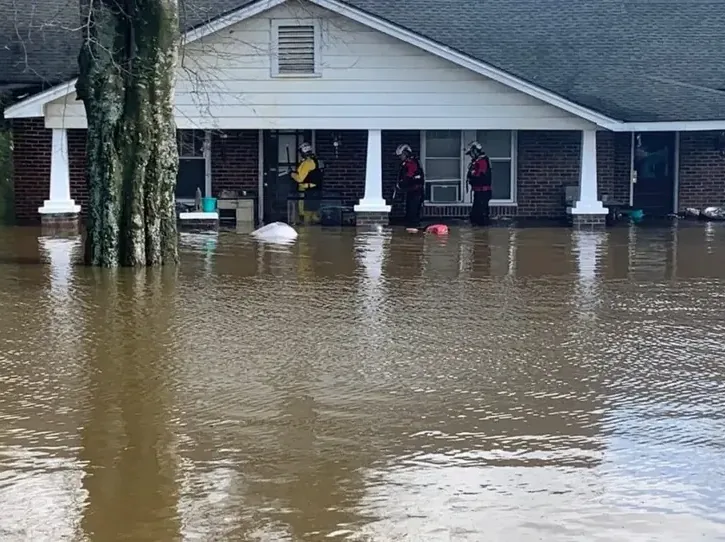 Storm Flood CleanupOutside water brings sediment indoors, making safe access and contamination assessment early priorities after a storm.Assess floodwater damage
 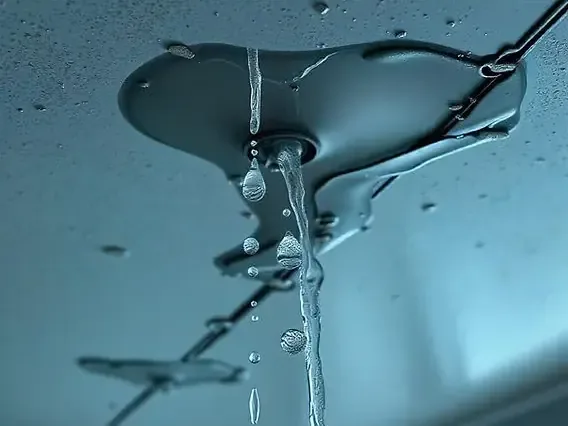 Roof Leak Water DamageRain entering overhead may travel along framing before appearing below; the interior drying scope follows that path.Check rain entry and drying
 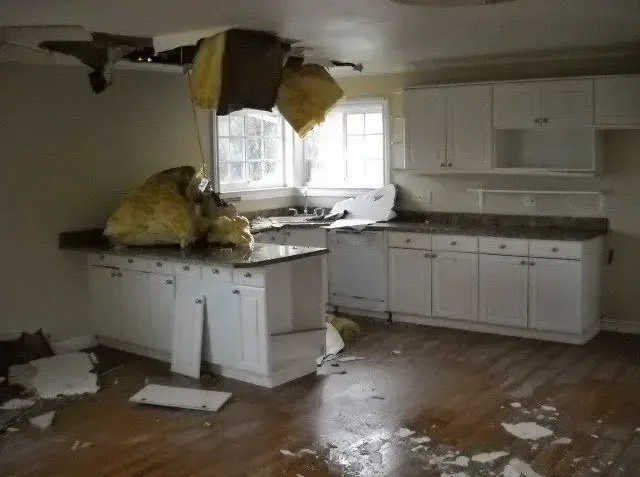 Ceiling Leak Water DamageA stained or sagging ceiling needs a source check and an assessment of the materials above it.Inspect overhead moisture
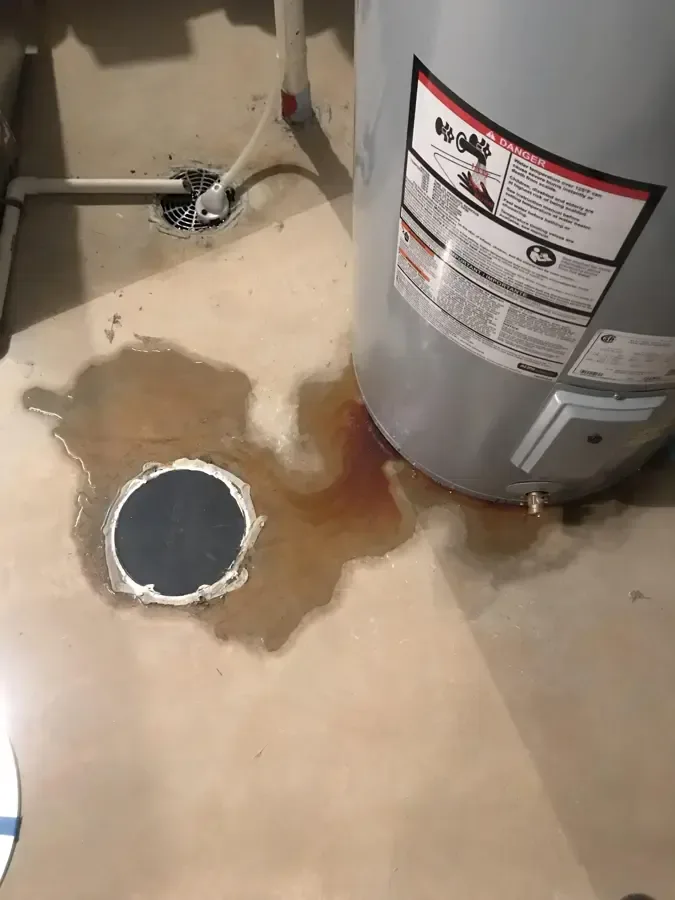
 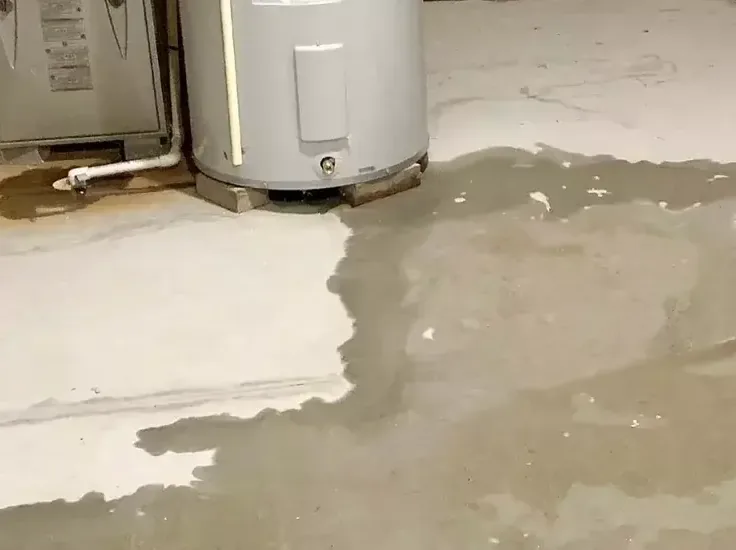 Water Heater Leak CleanupWater around a heater can soak enclosure edges and nearby flooring even after the tank stops leaking.Follow a tank spill
 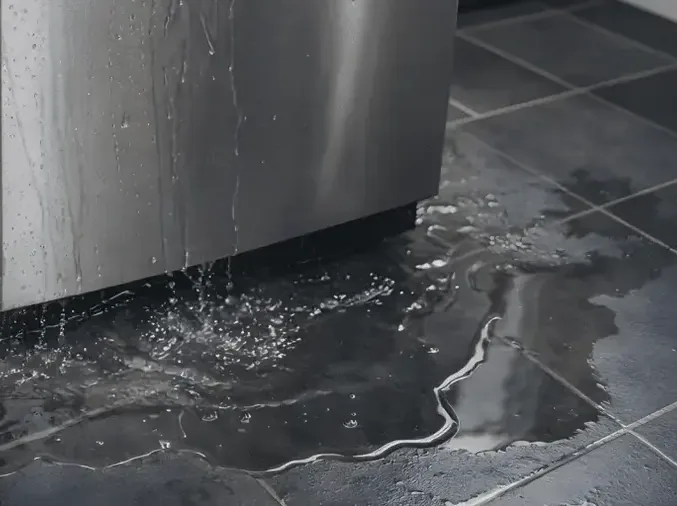 Appliance Leak Water DamageKitchen and laundry spills can hide under cabinetry, so the wet footprint often extends beyond visible puddles.Find hidden appliance water
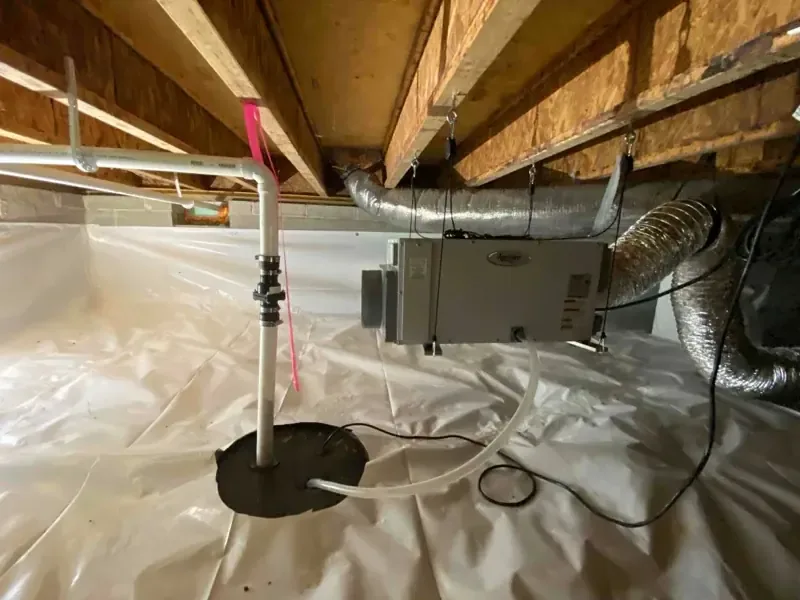
 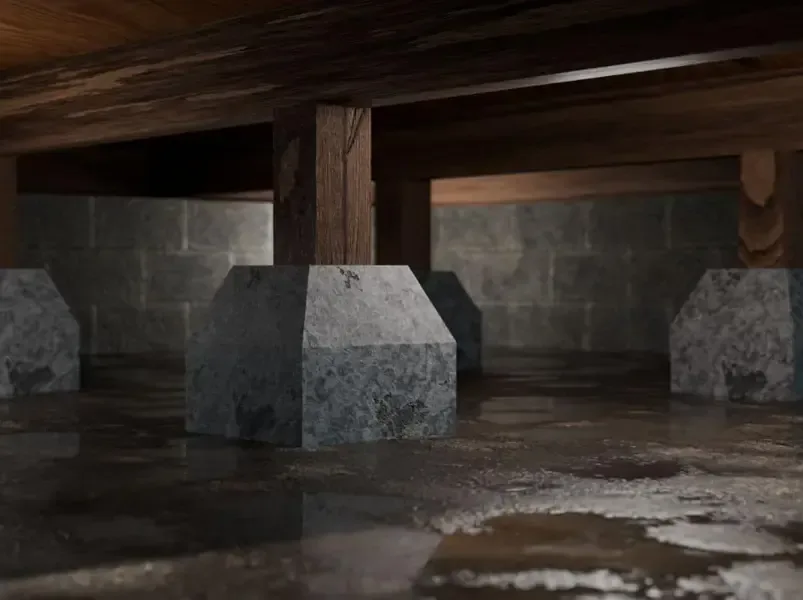 Crawl Space Water RemovalWhere a crawl space exists, pooled water and damp framing require an assessment of access and drainage.Plan underfloor water removal
 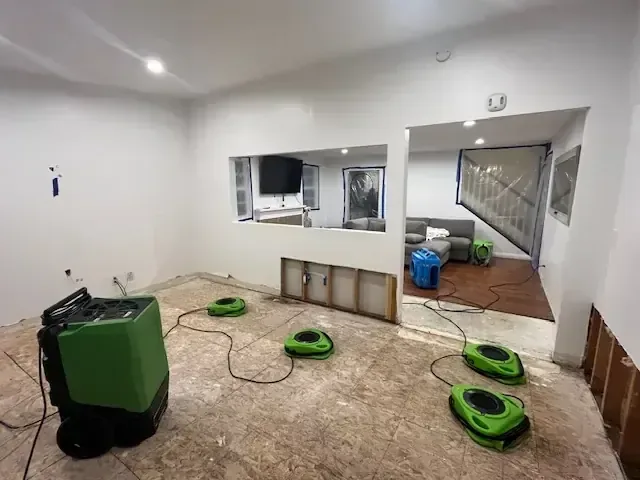 Structural DryingMoisture measurements shape equipment placement and show whether exposed wood, wall materials and floor assemblies are progressing.Understand the drying goal
 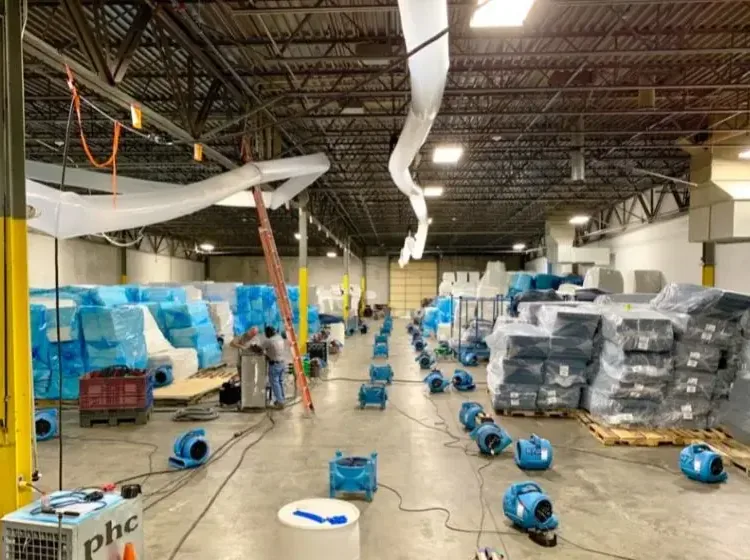 Commercial Water DamageA wet business interior requires a work boundary that accounts for stock, equipment, staff access and cleanup.Coordinate business recovery
 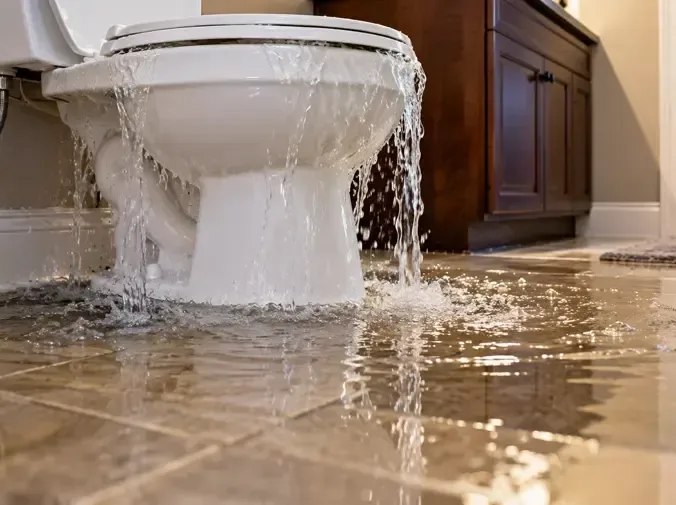 Toilet Overflow CleanupOverflow from a toilet bowl needs different handling from water escaping a clean supply connection beside it.Compare overflow sources
 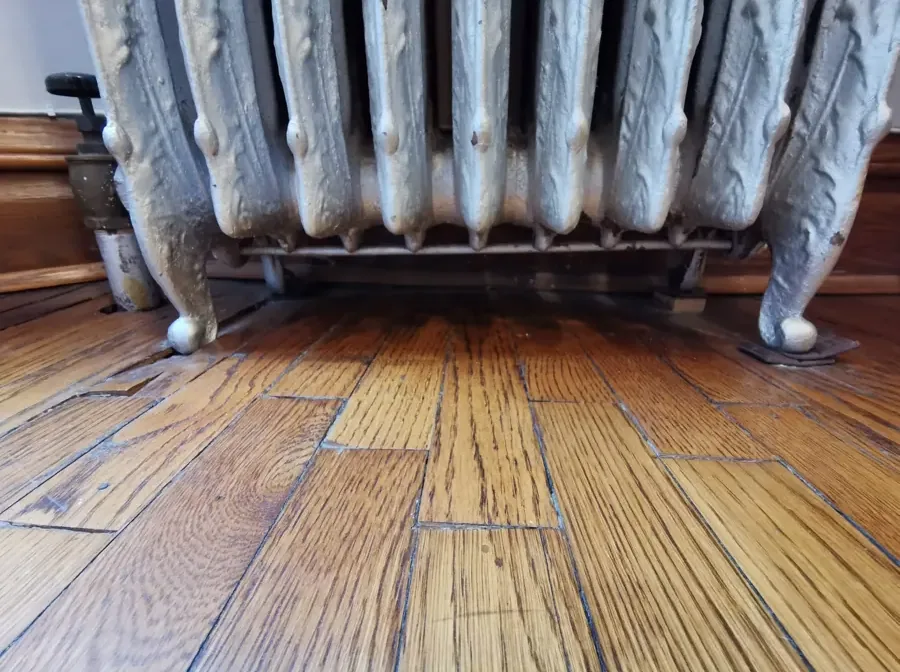 Hardwood Floor Water DamageRaised board edges and wet underlayment need careful evaluation before deciding whether floor sections can remain in place.Review wood floor recovery
 Why Studio City homeowners call for water damage help
Wet boundaries
Readings across the affected room help distinguish the wet footprint from adjacent finishes that can remain outside the work area.
Material condition
Swollen cabinets, delaminated flooring and contaminated porous surfaces need separate decisions rather than a single approach for the entire room.
Source coordination
Pipe repairs and roof work should be coordinated with cleanup so newly dried materials are protected from another release.
Measurable progress
A drying record should show changes at comparable locations and explain any remaining moisture before repairs cover the affected assembly.
Drying decisions should have a visible basis
A restoration plan defines the wet area, identifies damaged materials and assigns drying equipment to the affected assembly. Repeat measurements inform equipment adjustments and show when retained surfaces are ready for repairs.
- 1
Trace the water path
The inspection follows water from the apparent source through connected surfaces, including edges where flooring meets cabinets, walls or door openings.
- 2
Remove what blocks recovery
Standing water is extracted and damaged materials are assessed for removal so the remaining assembly can be cleaned and reached by drying equipment.
- 3
Manage air and moisture
Air movement and dehumidification are selected for the exposed materials, with adjustments as readings show which parts of the assembly remain wet.
- 4
Document the stopping point
Final readings and the condition of retained materials are recorded before equipment is removed and the next repair stage closes the work area.
Water condition matters as much as water depth
Fresh supply release
An accessible supply leak needs prompt extraction and a check of materials wetted before the water was stopped.
Explore water removalAppliance discharge
Water from a dishwasher or washer may carry residues that affect cleaning decisions around floors and cabinet bases.
Assess appliance waterWastewater intrusion
Sewage requires a controlled work area and careful handling of contaminated contents before the room can be restored.
Understand sewage cleanupWhat affects water damage costs in Studio City?
Water damage work in Studio City varies with the affected materials, water condition and access. These planning ranges describe progressively larger scopes; an inspection determines the actual removal, cleaning and drying needs.
Limited interior loss
$1,000 to $2,000
- Accessible wet surfaces
- Focused water removal
- Small drying area
Several affected assemblies
$2,000 to $4,500
- Connected room spread
- Selective material access
- Broader equipment placement
Extensive material involvement
$4,500 to $7,500
- Concealed wet layers
- Complex cleanup conditions
- Expanded drying scope
An estimate should distinguish cleanup from source repairs and finish replacement. Flooring removal, contamination controls and difficult access can change the proposed scope after the affected materials are examined.
Make the loss easier to document
A useful claim record connects the cause, damaged property and cleanup work. Coverage depends on the policy and circumstances, so the insurer should explain the requirements for the particular loss.
- Photographs of the source and visible spread
- The date the damage was first noticed
- An itemized description of proposed cleanup work
- Receipts for emergency repairs and affected belongings
- Moisture records showing conditions during the drying
When paying directly
For a project paid directly, ask for a written scope that separates extraction, disposal, cleaning and drying so each part of the proposed work is understandable.
Discuss any changes before added work begins. A concealed wet layer can alter the plan, and the estimate should explain why that additional access is needed.
Water damage help around Studio City
Areas and familiar corridors
ZIP areas
Additional service areas
Describe the property and the wet area
For properties around Woodbridge Park or along Ventura Boulevard, describe the source, rooms affected and any access restrictions when arranging cleanup. That information helps frame the initial inspection.
Mention whether water is still entering, whether a ceiling has changed shape, and whether wastewater is involved. Water extraction and structural drying address different stages of recovery.
Studio City, CA · [email protected]
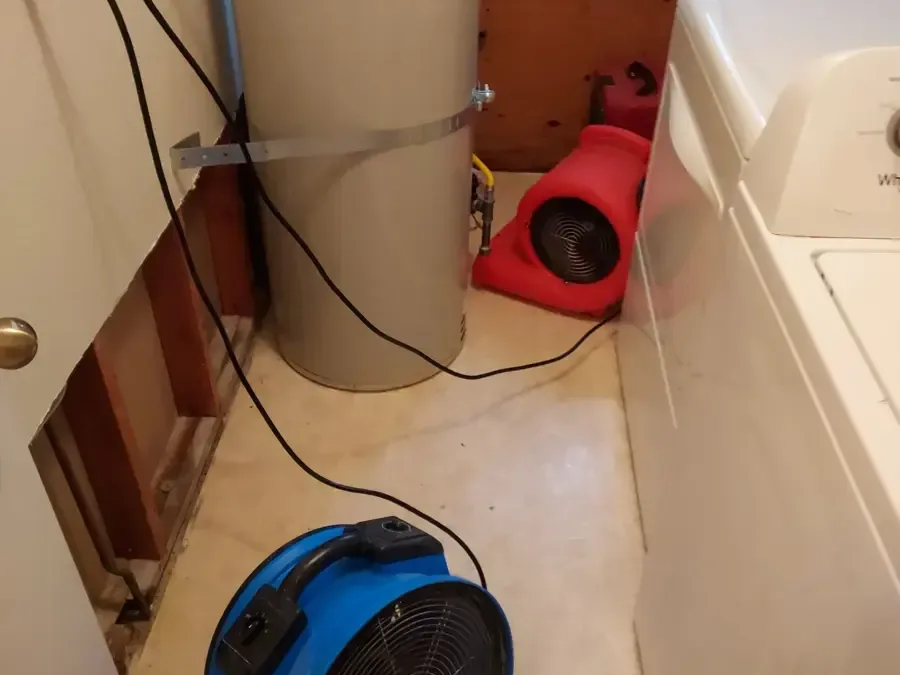
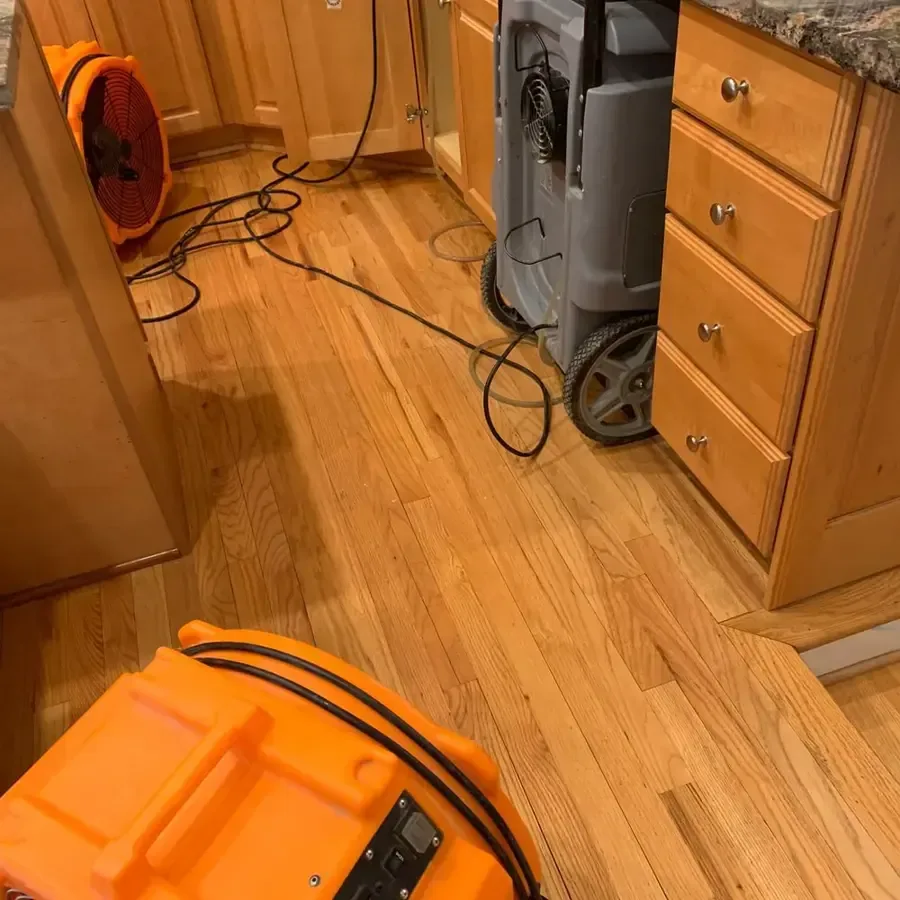
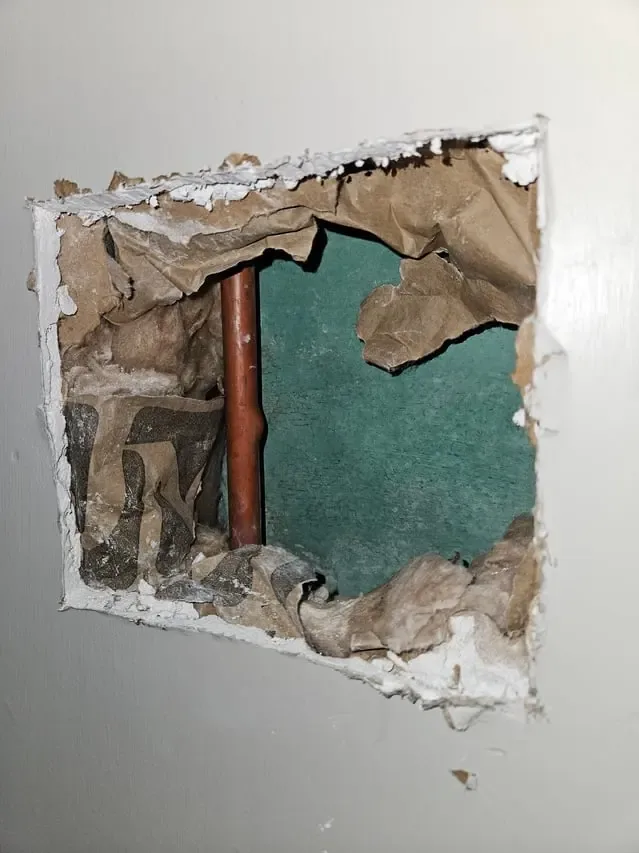
See the broader service area(888) 578-6508 Arrange a local water assessmentWater affects more than the surface in view
Water can arrive through different routes
Studio City has experienced both public water releases and rain driven debris movement. At an individual property, the useful questions are where water entered and which materials it reached inside.
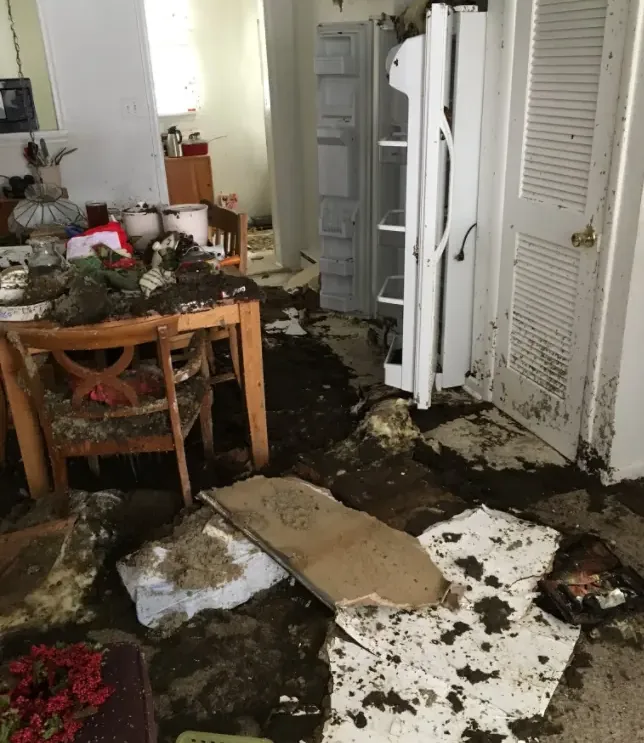
February 4, 2024: Steady rain triggered a debris flow on West Lockridge Road near Fryman Canyon Park, damaging homes and prompting evacuations from affected residences.
Water outside the building
The July 2026 main break at Coldwater Canyon Avenue near Woodbridge Street flooded a residential street, illustrating how a supply failure can release substantial water outdoors.
Rain carried debris
After muddy water enters a room, sediment and contamination must be assessed before deciding which flooring, insulation and other porous materials can remain.
Concealed indoor spread
A plumbing release can follow cabinet bases or floor seams into adjoining spaces, so the assessment should extend beyond the most obvious wet patch.
Overhead moisture
A drip through the ceiling can come from roof entry or plumbing above it. The source needs tracing before the damaged finish is closed.
Mixed building finishes
Mid-century modern, Spanish revival and storybook Tudor homes appear in the local housing mix. Each affected assembly needs inspection before selecting removal and drying methods.
Questions about cleanup and drying
What belongs in the first cleanup conversation?
Describe whether water is still entering, the rooms affected and any safety concern such as a sagging ceiling or wet electrical equipment. Mention the apparent source and when the damage was noticed. Photographs can help explain the layout before an inspection.
Does a dry surface mean the room is ready?
A dry surface can cover damp backing, insulation or framing. Readings at the material level help determine whether drying is complete. Repairs should wait until the affected assembly has been assessed and the retained materials are ready to be enclosed.
Is outdoor floodwater handled like a clean pipe spill?
Outside water can carry soil and other contaminants into the building. Its cleanup may involve controlled access, removal of affected porous materials and cleaning before drying. The water source and what it contacted shape the work more than appearance alone.
Can belongings stay in a wet room?
Some belongings can remain protected outside the wet footprint, while others need relocation for access or cleaning. Heavy furniture should not be moved through unsafe water. The inspection should identify what can stay and what needs separate handling before equipment is placed.
How is a drying schedule decided?
The schedule depends on the materials, trapped moisture and conditions inside the work area. Repeat readings show whether progress is continuing. A fixed calendar promise is less useful than a clear explanation of the drying goals and any access still required.
Should the water source be repaired before cleanup?
Stopping an active release is an early priority, but emergency water removal may also be needed while source repairs are arranged. The cleanup scope should account for that sequence so repaired pipes or roof details do not leave wet materials untreated.
What documents help explain the final bill?
An itemized scope, disposal records when applicable, photographs and drying measurements help connect the charges to the work. Keep source repair invoices separately. Ask for an explanation when concealed damage changes the planned material removal or equipment arrangement during cleanup.
Can the whole floor always be preserved?
Retention depends on the flooring material, the water condition and the damage underneath. Swelling, separation or contamination can make removal necessary. An assessment should explain the affected layers and whether drying access is possible before committing to a particular repair approach.
Describe what changed in the room
A wet floor, a growing stain or an unusual odor can help identify where the inspection should begin and what needs immediate attention.
(888) 578-6508 Discuss the visible damageStart with a clear picture of the water damage
Describe the source and affected materials to arrange an assessment of the cleanup and drying work ahead.
(888) 578-6508 Discuss the next cleanup steps