Commercial Water Damage in Studio City
A wet business interior creates decisions about access, stock and occupied areas as well as cleanup. Commercial water damage work in Studio City defines the affected zone and coordinates a practical restoration sequence.
(888) 578-6508 Discuss the affected business spaces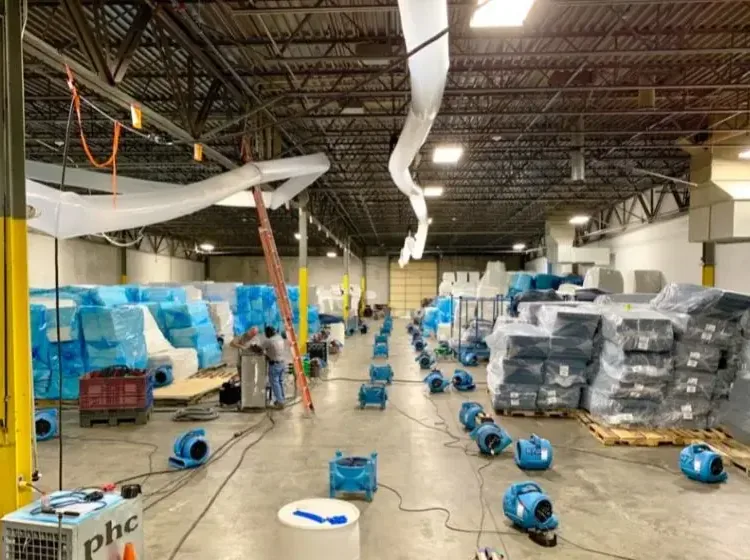
A water loss can interrupt a business through more than the damaged floor. Access to stock, electrical equipment, workstations and exits can change as water spreads or restoration equipment is placed. The first assessment should define the affected space and the people responsible for decisions, so source repair and cleanup proceed with a clear understanding of the building and its operations.
First steps for commercial water damage
- Identify the decision contact. Identify the person coordinating access and repair authorization so the assessment can clarify responsibilities for the building and business contents.
- Separate wet inventory. Keep contacted stock apart from unaffected items and document the locations involved before moving materials through a dry portion of the premises.
- Describe operational restrictions. Mention occupied areas, equipment hazards and access requirements that need consideration when restoration equipment and material removal routes are planned inside the business.
- Preserve the loss record. Collect photographs and source repair details, and retain cleanup documents that distinguish building damage from inventory or equipment requiring separate attention after the release.
How commercial water damage progresses
- 1
Define the affected premises
The inspection maps water contact across materials and contents, records source conditions and identifies responsibilities for access, repairs and operational decisions.
- 2
Agree on the work arrangement
Equipment routes, affected area separation and contents handling are planned around the actual layout, with the cleanup sequence explained before extraction or selective material removal begins.
- 3
Restore the retained structure
Water and unsuitable materials are removed, cleaning is completed where required, and the remaining assembly receives drying that can be checked and adjusted around the work area.
- 4
Document the business handoff
Material condition and moisture progress are recorded alongside outstanding repairs, giving the property contact a clear basis for coordinating finish restoration and decisions about using the treated space.
Start with the business layout and water contact
Ventura Boulevard includes restaurants, independent coffee shops and vintage stores. These uses can have very different contents and floor arrangements. A cleanup plan for an affected business should identify what water contacted, which areas remain usable and how wet contents can be handled separately from dry stock. The method follows the actual loss rather than treating every commercial interior as an open floor.
For premises around Moorpark Street or Lankershim Boulevard, describe access restrictions, shared passages and any affected equipment when arranging service. A hose route or temporary material holding area can interfere with normal movement. Planning those details early helps keep the restoration boundary understandable for occupants and anyone coordinating building maintenance.
- Identify water around electrical equipment or fixtures before staff move stock, operate machinery or reenter the affected work area.
- Separate contacted inventory from dry items and preserve a record of where products or furnishings were located when water spread.
- Keep required access routes clear while selecting equipment positions and temporary locations for materials removed during the cleanup.
- Confirm who can authorize source repairs and material access so necessary decisions do not remain unclear while water affects the premises.
Sequence restoration around real constraints
Extraction, material removal and drying can affect different parts of the interior at different times. The scope should explain the sequence and the conditions that influence continued occupancy. Contamination may require stronger separation than a clean supply release. Noise, airflow and equipment placement also need discussion, with adjustments based on the restoration requirements and the safe use of adjoining dry areas.
- Assess fixed counters and partitions where water can remain concealed after the main walking surface has been cleared.
- Coordinate sewage cleanup when wastewater contact changes the work boundary, material handling and cleaning needs.
- Document affected building finishes separately from contents requiring specialist attention or a business decision about replacement.
- Use repeat readings to determine drying progress instead of reopening a treated section solely because it looks tidy.
Make the handoff useful to property management
The final record should identify the areas treated, material removal, moisture checks and outstanding repairs. Keeping source correction separate from finish replacement helps the business and property manager coordinate their responsibilities. An itemized scope also makes it easier to explain changes when concealed wet material is discovered behind a fixed fixture or beneath the visible floor.
Restoration decisions should leave a clear account of what is ready for use and what still requires work. That clarity supports practical scheduling without promising an operating date before the affected assembly has been assessed.
Discuss the wet materials before repairs
A business water loss needs a defined work area and clear responsibilities. Describe the affected rooms, stock and access restrictions to arrange a cleanup assessment around the premises and its operations.
(888) 578-6508 Arrange a premises damage assessmentWhat does commercial water damage cost in Studio City, CA?
Commercial water damage costs in Studio City reflect affected floor area, contents, access and operational constraints. The ranges increase as more rooms or complex assemblies require removal, cleaning and drying within the business premises.
Contained business area
$2,000 to $4,000
- Focused work zone
- Accessible surfaces
- Limited disruption
Several affected rooms
$4,000 to $7,500
- Connected spaces
- Contents handling
- Broader setup
Complex premises loss
$7,500 to $12,000
- Difficult access
- Extensive materials
- Coordinated treatment
The figures describe typical work scopes, not a quote. Water category, affected area, access and the time before drying change the scope. Compare the inputs in the water damage cost calculator.
Documentation for your insurance claim
The restoration contractor records the water source, affected rooms and moisture readings before removal begins. Timestamped photographs show damaged materials and the reason for opening a wall or lifting a floor. Daily temperature, humidity and material readings document progress against a dry comparison area. An itemized scope separates extraction, disposal, cleaning and equipment use from plumbing repairs and finish replacement. The property owner keeps invoices and the initial discovery details with that record. An insurer evaluates coverage under the actual policy; a sudden plumbing release, outside flooding and a sewer backup can receive different treatment. The adjuster decides coverage, and the homeowner checks deductibles, exclusions and any applicable endorsements directly with the insurer.
Daily measurements support the IICRC S500 drying goal. The drying crew compares similar materials and investigates readings that stop improving before equipment leaves.
Commercial water damage in Studio City
Commercial cleanup serves Studio City premises along Ventura Boulevard and around Moorpark Street and Lankershim Boulevard, with access and work sequencing tailored to the business layout and affected materials.
The same service nearby: commercial water damage in Valley Village, North Hollywood, Sherman Oaks.
All water damage services in Studio City · View all service areas
Commercial Water Damage questions in Studio City, CA
Can the business remain open during cleanup?
That depends on water condition, hazards, the affected layout and the separation possible between work and occupied areas. The inspection should explain those constraints before an operating decision is made. A dry room elsewhere in the premises still needs safe access that avoids the restoration work zone.
Who should coordinate the first assessment?
A contact able to arrange access and connect the business with the property manager is useful. The scope needs clear responsibilities for source repair, material removal and contents decisions. Identifying those roles early helps the restoration sequence proceed without confusion about who can authorize necessary work.
Should affected inventory be discarded immediately?
Document contacted stock and separate it from dry items before disposal decisions are made. Different contents can require different handling or specialist attention. The business and relevant claim contact should have a usable record, while cleanup access and contamination controls remain part of the restoration plan.
How are fixed counters or displays handled?
Fixed components can conceal wet flooring or wall material. The assessment should identify where access is needed and explain whether selective opening or temporary removal serves the cleanup. Material condition and drying measurements then inform whether the component can remain or needs additional repair before normal use resumes.
Does drying equipment prevent use of adjoining rooms?
Equipment placement, cords, noise and airflow can affect adjoining areas, but the impact depends on the building layout and water condition. The work arrangement should make safe routes and restrictions clear. Any changes to equipment or separation should be coordinated with the restoration contact during the project.
What documents help property management after the work?
An itemized scope, photographs, source repair information and moisture records connect the restoration work to the affected spaces. The handoff should distinguish completed treatment from remaining finish repairs or contents decisions. That separation helps the business coordinate contractors and explain the condition of the premises after cleanup.
A clear scope starts with the source
A business water loss needs a defined work area and clear responsibilities. Describe the affected rooms, stock and access restrictions to arrange a cleanup assessment around the premises and its operations.
(888) 578-6508 Arrange a premises damage assessmentSet a practical sequence for the wet spaces
A written restoration scope connects extraction and drying with the decisions needed for continued use and later repairs.
(888) 578-6508 Discuss the business cleanup sequence