Commercial Water Damage in Sherman Oaks
A business loss can hide beneath stock while the customer aisle appears clear. Sherman Oaks commercial restoration accounts for fixtures, work areas and access permissions when defining water removal and drying around the premises.
(888) 578-6508 Discuss stock and floor damage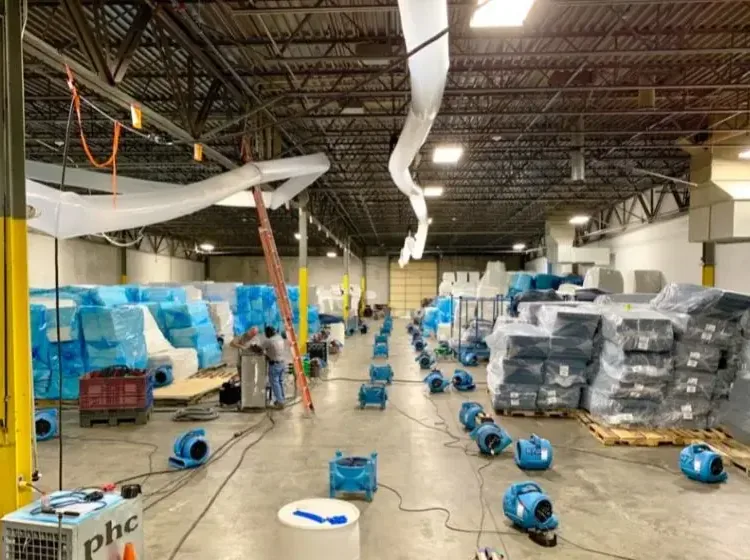
A commercial water loss interrupts more than the room containing the leak. Stock movement, fixture access and staff routes can affect how quickly the damaged building areas become reachable. Commercial water damage restoration in Sherman Oaks needs a scope that names those dependencies. A clear aisle is useful, but wet material beneath the shelving beside it still requires attention.
First steps for commercial water damage
- Restrict the affected work area. Keep staff and visitors away from wet electrical equipment, unstable finishes and contaminated water while access and source concerns are assessed.
- Name the authorization contacts. Identify who can approve building openings, fixture movement and stock handling so the restoration scope follows clearly assigned responsibilities.
- Record stock before relocation. Photograph affected goods and their position from a safe location, preserving the relationship between water spread, shelving and floor areas before contents are moved.
- Describe essential access routes. Explain which entrances and work areas need consideration so the equipment layout can account for practical operations while respecting the restricted damage zone.
How commercial water damage progresses
- 1
Map premises and contents separately
The assessment records building materials, stock and equipment contact while identifying the decision makers responsible for each loss category and the required access permissions.
- 2
Coordinate removal around fixed fixtures
Extraction and material handling proceed with a plan for shelving or equipment that blocks wet surfaces, keeping unresolved access items visible until those areas become reachable.
- 3
Dry retained business interiors
Equipment placement reflects wet materials and safe movement through the premises, with readings showing progress in the structure rather than relying on a cleared customer aisle.
- 4
Deliver an area specific handoff
Completion notes distinguish ready spaces, replacement work and continuing restrictions, giving the manager a documented basis for building repairs and operating decisions.
Use the initial inspection to separate responsibilities
On April 30, 2015, a Ventura Boulevard water main rupture flooded four businesses. The closure extended between Van Nuys Boulevard and Cedros Avenue. For an affected business, a useful interior record would distinguish building finishes, movable stock and fixed equipment, allowing the responsible parties to coordinate their decisions around the same observed loss.
The current premises should be assessed on its actual conditions. A manager may control entry while a landlord authorizes work to the building. Stock disposal, equipment servicing and structural access can involve different decision makers. Identifying them early helps prevent a wet fixture base from remaining inaccessible while responsibility is debated.
- Map affected stock separately from building materials so inventory handling does not obscure the restoration boundary on the floor.
- Identify fixture components that require authorized movement before water beneath them can be removed or retained surfaces inspected.
- Mark usable staff routes around equipment and restricted work areas without directing foot traffic through contaminated or unstable spaces.
- Record damage before goods are relocated, keeping the original shelf and floor arrangement understandable in the loss documentation.
Plan the work around access that actually exists
A restoration schedule should describe what can happen while other areas remain in use and what requires temporary closure. Noise, equipment cords, material removal and water condition all affect that decision. Operating needs can inform the sequence, but the work zone still needs a safe boundary and access to the damaged assembly.
Water extraction can clear accessible liquid while fixture movement is coordinated. Concealed pooling beneath a display or stock platform should remain an explicit scope item until it becomes reachable.
Make reopening decisions specific to each area
Some areas may be ready for normal use while another section still requires drying or replacement finishes. The handoff should identify those differences, along with equipment restrictions and source repair status. It should also distinguish building readiness from any separate assessment needed for affected business equipment or merchandise.
Final moisture records and removal notes support a clear repair plan. They explain what happened behind the fixtures and which materials remain, giving the manager more useful information than a general statement that the floor has been cleared.
Discuss the wet materials before repairs
Describe the affected work areas, stock contact and any fixtures blocking the wet floor. Include the building authorization contact so removal, access and drying can be organized around a clear set of responsibilities.
(888) 578-6508 Discuss the premises restoration scopeWhat does commercial water damage cost in Sherman Oaks, CA?
Commercial water damage restoration in Sherman Oaks depends on affected materials, fixture access and operating restrictions. These ranges describe building cleanup scopes; stock losses, specialist equipment work and source repairs should be separately identified in the estimate.
Contained business area
$2,000 to $4,000
- Localized floor damage
- Accessible work zone
- Limited fixture handling
Several affected rooms
$4,000 to $7,500
- Multiple interior finishes
- Coordinated access permissions
- Broader drying layout
Complex premises loss
$7,500 to $12,000
- Obstructed material access
- Expanded operating restrictions
- Detailed repair coordination
The figures describe typical work scopes, not a quote. Water category, affected area, access and the time before drying change the scope. Compare the inputs in the water damage cost calculator.
Documentation for your insurance claim
The restoration contractor records the water source, affected rooms and moisture readings before removal begins. Timestamped photographs show damaged materials and the reason for opening a wall or lifting a floor. Daily temperature, humidity and material readings document progress against a dry comparison area. An itemized scope separates extraction, disposal, cleaning and equipment use from plumbing repairs and finish replacement. The property owner keeps invoices and the initial discovery details with that record. An insurer evaluates coverage under the actual policy; a sudden plumbing release, outside flooding and a sewer backup can receive different treatment. The adjuster decides coverage, and the homeowner checks deductibles, exclusions and any applicable endorsements directly with the insurer.
Daily measurements support the IICRC S500 drying goal. The drying crew compares similar materials and investigates readings that stop improving before equipment leaves.
Commercial water damage in Sherman Oaks
Business water assessments cover the Ventura Boulevard corridor and premises around Van Nuys Boulevard and Cedros Avenue, with site access, fixtures and affected stock included in the restoration planning discussion.
The same service nearby: commercial water damage in Valley Village, Encino, Studio City.
All water damage services in Sherman Oaks · View all service areas
Commercial Water Damage questions in Sherman Oaks, CA
Can part of a business remain open during restoration?
That depends on water condition, electrical safety, access and the separation possible between work and occupied areas. The scope should identify usable routes and restricted rooms explicitly. Operating preferences can shape scheduling, but they cannot replace the assessment of hazards and access needed for restoration.
Who should authorize work in leased premises?
The business manager and property representative should clarify responsibility for building openings, fixture movement and source repair. Contents and stock decisions may involve another contact. Naming these roles at the outset helps the crew reach wet areas while keeping the scope understandable to those approving the work.
Why inspect beneath shelving after the aisle is dry?
Shelf bases and stored goods can shelter pooling and conceal damaged floor edges. Clearing the visible aisle may leave those reservoirs untouched. Authorized access beneath fixtures should remain part of the restoration plan until the affected surfaces have been inspected and any retained moisture addressed.
Are wet stock and building damage assessed together?
They should be documented in a coordinated record but treated as distinct decisions. Merchandise handling depends on the product and exposure, while building restoration follows the affected materials. Keeping both visible helps prevent moving stock from obscuring a wet floor section or delaying necessary structural access.
What should staff know about drying equipment?
Staff need to understand restricted areas, clear walking routes and whom to contact before equipment is moved or unplugged. Changes can affect the drying environment. A practical site arrangement accounts for essential access while keeping the equipment setup and measurement points available throughout the work.
What information supports the next operating decision?
The manager needs an area specific account of dried materials, remaining repairs and continuing restrictions. Source repair status and any separate equipment or merchandise assessments should also be clear. This makes reopening decisions more useful than a broad statement that water removal has finished.
A clear scope starts with the source
Describe the affected work areas, stock contact and any fixtures blocking the wet floor. Include the building authorization contact so removal, access and drying can be organized around a clear set of responsibilities.
(888) 578-6508 Discuss the premises restoration scopeGive each affected area a usable plan
Building work and operating decisions benefit from the same documented loss map.
(888) 578-6508 Arrange a business interior assessment