Sewage Backup Cleanup in Sherman Oaks
Wastewater on a bathroom floor changes how the entire room should be handled. Sherman Oaks sewage cleanup begins with restricted access, source control and separation of affected materials from clean spaces.
(888) 578-6508 Discuss the contaminated room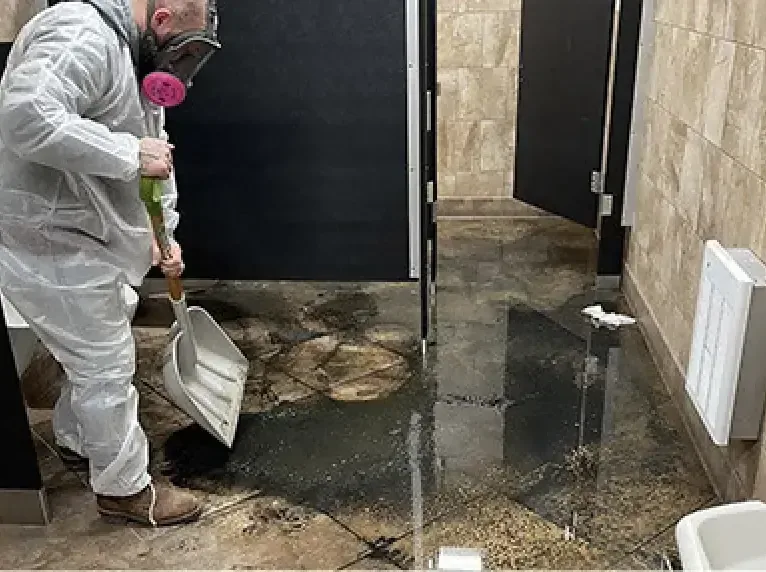
A drain backup can spread beyond the room where it first appears. Foot traffic, moved bath mats and an overflowing threshold can carry contamination into otherwise clean areas. Sewage backup cleanup in Sherman Oaks therefore starts with a boundary: which rooms are affected, which routes remain usable and how damaged materials can leave without crossing occupied spaces unnecessarily.
First steps for sewage backup cleanup
- Keep the room closed. Limit entry to the contaminated area and prevent children or pets from walking through the spill into clean living spaces.
- Pause affected fixtures. Avoid using fixtures associated with the backup until the drain problem has been assessed and continued discharge is controlled.
- Leave porous items separated. Keep soaked mats and damaged belongings within the affected area instead of carrying them through dry rooms for household washing.
- Report the spread. Describe every room reached by wastewater, including thresholds and adjoining closets that may need containment or material inspection.
How sewage backup cleanup progresses
- 1
Mark the contamination boundary
The assessment traces wastewater contact, notes affected possessions and organizes a removal route that protects usable areas of the property during the work.
- 2
Remove affected material deliberately
Contaminated water and unsalvageable porous components are handled within the work plan, with photos explaining removal decisions before the room changes substantially.
- 3
Clean retained accessible surfaces
Appropriate cleaning addresses the surfaces that remain after removal, including edges and recesses exposed when damaged coverings or cabinet components are taken out.
- 4
Measure the remaining moisture
The retained structure is assessed for drying needs, and completion notes distinguish contamination cleanup from material replacement and any outstanding drain repair tasks.
Make containment part of the room plan
For a residence in Magnolia Woods, the work arrangement might need to preserve access to an unaffected bathroom. At a property near Van Nuys Boulevard, the same assessment may involve a manager coordinating entry. The practical scope should identify the source fixture, exposed surfaces and any movement of contaminated belongings before equipment is positioned.
Wastewater carrying sewage requires Category 3 handling. Porous finishes and contents need particular scrutiny because surface cleaning cannot reach all absorbed contamination. Material decisions should be explained individually, including why a floor covering or damaged wall section needs removal and which washable surfaces can remain.
- Close the affected room to children and pets while a safe route around the work area is arranged.
- Keep used towels, mats and shoes from transferring wastewater into bedrooms or other clean areas of the property.
- Record the original spill boundary before removal changes the appearance of the bathroom, hallway or adjoining room.
- Identify fixtures that should remain unused while the cause of the backup is investigated and corrected.
Separate drain repair from damage cleanup
A property in Chandler Estates needs a source assessment based on the actual drain symptoms. The cleanup contractor's work and any drain repair should have clear responsibilities. Continuing to use connected fixtures can reintroduce wastewater, so source control must be coordinated before a cleaned area returns to normal use.
Dry the materials that remain after cleaning
Once affected porous material is addressed and retained surfaces have been cleaned, moisture measurements define the drying work. Framing, subfloor edges and adjoining wall cavities may hold water outside the visible spill. Structural drying addresses those retained materials after the contamination work permits that next stage.
The closing record should identify removed materials, cleaned areas and moisture findings. A clean looking tile surface cannot describe the condition beneath a damaged cabinet base or behind trim. Those access decisions belong in the scope so repairs do not hide unfinished work.
Discuss the wet materials before repairs
Describe the fixture involved and the rooms wastewater reached. A useful cleanup discussion clarifies the contamination boundary, the route for removing damaged materials and the access needed for the drain assessment.
(888) 578-6508 Plan contained wastewater removalWhat does sewage backup cleanup cost in Sherman Oaks, CA?
Sewage backup cleanup in Sherman Oaks is shaped by contamination spread, porous material loss and containment access. These ranges describe different affected areas; a written scope should separate cleanup, drying and the drain repair.
Contained bathroom
$2,000 to $3,500
- Limited room boundary
- Fixture area cleaning
- Focused material removal
Adjacent room spread
$3,500 to $5,500
- Wet threshold areas
- Added porous finishes
- Broader containment
Multiple affected spaces
$5,500 to $8,000
- Complex access
- Expanded removal scope
- Additional retained surfaces
The figures describe typical work scopes, not a quote. Water category, affected area, access and the time before drying change the scope. Compare the inputs in the water damage cost calculator.
Documentation for your insurance claim
The restoration contractor records the water source, affected rooms and moisture readings before removal begins. Timestamped photographs show damaged materials and the reason for opening a wall or lifting a floor. Daily temperature, humidity and material readings document progress against a dry comparison area. An itemized scope separates extraction, disposal, cleaning and equipment use from plumbing repairs and finish replacement. The property owner keeps invoices and the initial discovery details with that record. An insurer evaluates coverage under the actual policy; a sudden plumbing release, outside flooding and a sewer backup can receive different treatment. The adjuster decides coverage, and the homeowner checks deductibles, exclusions and any applicable endorsements directly with the insurer.
Daily measurements support the IICRC S500 drying goal. The drying crew compares similar materials and investigates readings that stop improving before equipment leaves.
Sewage backup cleanup in Sherman Oaks
Sewage cleanup planning is available for properties in Magnolia Woods, Chandler Estates and around Van Nuys Boulevard, with access and containment arranged around the rooms actually affected.
The same service nearby: sewage backup cleanup in Valley Village, Encino, Studio City.
All water damage services in Sherman Oaks · View all service areas
Sewage Backup Cleanup questions in Sherman Oaks, CA
Is sewage cleanup similar to mopping a supply leak?
No. Wastewater carrying sewage requires contamination controls as well as water removal. Absorbent finishes and contents may need removal because surface wiping cannot reach absorbed waste. The cleanup plan should address movement through the room and the condition of every affected material.
Can a fan run in the bathroom before cleanup?
Household fans should not move air from a sewage affected room into occupied areas. The work zone and cleaning sequence need to be planned first. Drying equipment is arranged as part of the controlled restoration plan after the relevant contamination concerns have been addressed.
Should fixtures elsewhere in the property remain unused?
The answer depends on how the drainage connects and what caused the backup. A drain assessment should identify the affected fixtures and give use restrictions. Until that is clear, additional discharge associated with the backup can worsen the spill or interrupt the cleanup.
Why might a cabinet base need removal?
Porous cabinet material can absorb contaminated water through joints and unfinished edges. A surface that looks clean may conceal damage underneath. The assessment considers access, material condition and contamination so the written scope explains whether removal is needed and how far it extends.
What should a tenant tell the property manager?
The message should identify the overflowing fixture, rooms reached by wastewater and any limits on safe access. Photos from outside the contaminated area can help. Entry authorization, drain repair coordination and handling of tenant possessions should be clarified before the work expands.
How is the room handed back for repairs?
The record should describe removed items, cleaned retained surfaces and any remaining drying needs. It should also identify whether the source problem has been corrected. Replacement finishes belong after these tasks, with the repair scope clearly separated from the contamination cleanup.
A clear scope starts with the source
Describe the fixture involved and the rooms wastewater reached. A useful cleanup discussion clarifies the contamination boundary, the route for removing damaged materials and the access needed for the drain assessment.
(888) 578-6508 Plan contained wastewater removalRestore a usable room in stages
Cleaning, drying and replacement decisions should remain clear throughout the work.
(888) 578-6508 Discuss safe bathroom access