Water Extraction in Sherman Oaks
An open floor can be cleared while water remains beneath the furniture beside it. Water extraction in Sherman Oaks follows those hidden pockets before the room moves into a measured drying phase.
(888) 578-6508 Discuss pooling beneath the contents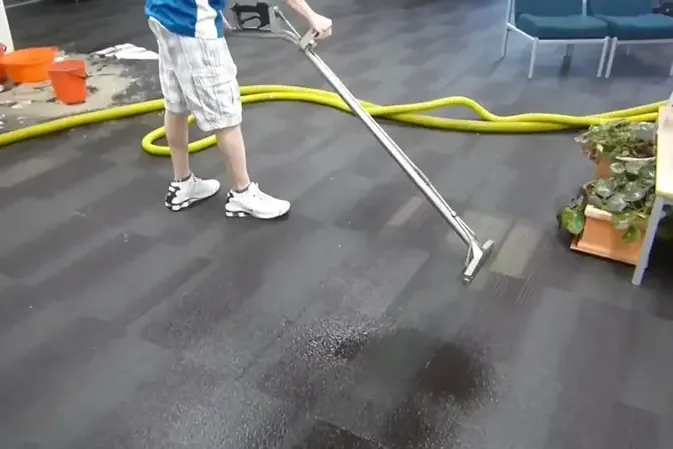
Water tends to disappear beneath things before the room looks seriously flooded. A cabinet plinth, carpet edge or loaded shelf can shelter a reservoir that keeps feeding moisture into adjacent materials. Sherman Oaks extraction work needs a room map that includes these obstructions. Removing liquid from the walking space is the opening task, followed by a deliberate inspection of the places the hose cannot immediately reach.
First steps for water extraction
- Keep the route dry. Occupants should avoid walking through standing water to reach switches or appliances, especially where the electrical condition remains unknown.
- Limit further release. A safely accessible shutoff can limit a supply leak; an uncertain or submerged valve should be left for qualified assistance.
- Lift unaffected belongings. Dry possessions can be moved away from the edge of the spill without dragging wet furnishings through otherwise clean rooms.
- Describe hidden pockets. Mention water beneath cabinets, carpeting or stored items so the inspection can include spaces outside the most visible puddle.
How water extraction progresses
- 1
Mark liquid and moisture separately
The assessment records obvious pooling and checks adjoining materials, creating a distinction between areas needing extraction and areas requiring later drying access.
- 2
Select the removal method
Equipment and tools are matched to the water condition, floor finish and available route so removal reaches the liquid without spreading contamination.
- 3
Expose remaining wet edges
Once the open floor is clear, accessible trim, contents and covering edges are checked for reservoirs that could continue wetting the surrounding structure.
- 4
Transfer the material record
The drying scope receives the moisture findings and access notes, including any retained floor layers that need monitoring before the room can be repaired.
Follow pooling beyond the clear walking area
The April 30, 2015 water main rupture on Ventura Boulevard flooded four businesses. In a water affected shop, shelving bases and stored cartons deserve attention alongside the aisle. A residence in Chandler Estates may present a different arrangement of furnishings, but the same practical question applies: where can liquid remain after the visible floor has been cleared?
Extraction tools should suit the surface and the water condition. Carpet, tile joints and exposed subfloor require different handling. Moving a heavy item also needs planning so its wet underside does not mark a dry room or block the path reserved for equipment.
- Inspect thresholds where liquid can pass beneath a door and collect in the adjoining room without an obvious trail.
- Check removable floor coverings for wet backing rather than judging only the top surface after an extraction pass.
- Keep damp cartons and furniture feet separated from clean flooring while the surrounding edges are assessed for moisture.
- Record areas that remain inaccessible so the drying scope does not silently exclude the material beneath fixed fixtures.
Decide what requires opening before drying
At a property in Magnolia Woods, an extraction assessment should identify the floor assembly before lifting anything. Water beneath a floating covering may require removal for access, while some sound materials can remain in place. The decision considers water condition, attachment and trapped moisture. Opening a floor without a plan can damage material that might otherwise have remained usable.
Use the cleared floor to plan the next stage
After pooling is removed, moisture readings identify the materials that still need drying. Wall bottoms, trim joints and the underside of affected coverings may still need attention. Structural drying manages that absorbed moisture; extraction alone cannot show that a room is ready for finish repairs.
The completion record should distinguish liquid removed from materials still drying. It can also identify obstacles, affected contents and any source repair awaiting another trade. This gives the owner a practical explanation of why equipment may remain after the floor stops looking wet.
Discuss the wet materials before repairs
Describe the deepest pooling, the floor covering and anything too heavy to move. Those details help shape an extraction scope that reaches the water sheltered beneath contents and around room boundaries.
(888) 578-6508 Discuss the removal routeWhat does water extraction cost in Sherman Oaks, CA?
Water extraction in Sherman Oaks varies with room access, water condition and the layers holding liquid. These ranges organize common scopes; the property assessment defines the removal work and any separate drying requirements.
One accessible room
$700 to $1,300
- Open floor access
- Limited pooling
- Simple contents handling
Several wet rooms
$1,300 to $2,500
- Connected spill areas
- More floor edges
- Additional removal passes
Complex removal
$2,500 to $3,500
- Obstructed wet areas
- Difficult access
- Broader liquid recovery
The figures describe typical work scopes, not a quote. Water category, affected area, access and the time before drying change the scope. Compare the inputs in the water damage cost calculator.
Documentation for your insurance claim
The restoration contractor records the water source, affected rooms and moisture readings before removal begins. Timestamped photographs show damaged materials and the reason for opening a wall or lifting a floor. Daily temperature, humidity and material readings document progress against a dry comparison area. An itemized scope separates extraction, disposal, cleaning and equipment use from plumbing repairs and finish replacement. The property owner keeps invoices and the initial discovery details with that record. An insurer evaluates coverage under the actual policy; a sudden plumbing release, outside flooding and a sewer backup can receive different treatment. The adjuster decides coverage, and the homeowner checks deductibles, exclusions and any applicable endorsements directly with the insurer.
Daily measurements support the IICRC S500 drying goal. The drying crew compares similar materials and investigates readings that stop improving before equipment leaves.
Water extraction in Sherman Oaks
Water removal assessments cover homes and business premises around Ventura Boulevard, Chandler Estates and Magnolia Woods, with access arranged for the actual wet rooms and floor coverings.
The same service nearby: water extraction in Valley Village, Encino, Studio City.
All water damage services in Sherman Oaks · View all service areas
Water Extraction questions in Sherman Oaks, CA
Can a carpet feel dry while water remains below?
Yes. The pile may feel much drier after extraction even when the backing, pad or subfloor still holds moisture. Inspection needs to assess those layers separately. The condition of the water also affects whether each layer can remain for drying.
Should furniture stay in the wet room?
That depends on its condition and whether it blocks access. A wet base can stain flooring or shelter pooling underneath. The handling plan should protect dry spaces and document damaged items before movement changes the original arrangement of the room.
Is a household vacuum suitable for standing water?
An ordinary household vacuum should not be used on liquid. Electrical safety and the equipment's intended purpose matter before any extraction attempt. Substantial pooling, uncertain water condition or water around powered devices calls for controlled access and appropriate removal equipment.
Why inspect the room beyond the doorway?
Water can slip under a threshold or continue along the edge of a floor covering. The room containing the original spill may not hold the full loss. Checking connected spaces helps identify damp materials before they become covered by normal furnishings again.
Does extraction include repairing the failed pipe?
The cleanup scope and the source repair should be described separately. Stopping new water is necessary for removal to hold its progress, but plumbing diagnosis may involve another trade. The estimate should identify which tasks are included and which need separate coordination.
What shows that removal can move into drying?
Accessible liquid should be cleared and hidden reservoirs addressed or documented. Moisture readings then identify the retained materials needing further work. The transition is based on the condition of the room and its assemblies, rather than a floor that merely looks clean.
A clear scope starts with the source
Describe the deepest pooling, the floor covering and anything too heavy to move. Those details help shape an extraction scope that reaches the water sheltered beneath contents and around room boundaries.
(888) 578-6508 Discuss the removal routeClear liquid before planning repairs
The next decision starts with identifying where water remains and which materials can be accessed safely.
(888) 578-6508 Request a floor water assessment