Appliance Leak Water Damage in Sherman Oaks
A dishwasher puddle can feed a wet cabinet base long after the cycle ends. Sherman Oaks appliance leak cleanup follows water beneath fixed surfaces and coordinates access before the appliance is returned to service.
(888) 578-6508 Discuss hidden water beneath the appliance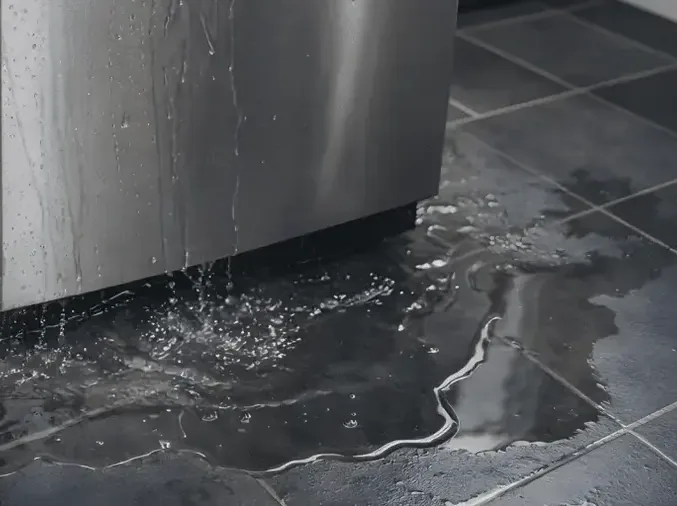
The front of an appliance is often the last place to reveal a leak developing behind it. Water can soak a cabinet side, pass beneath the unit and emerge at a floor joint beyond the original connection. Appliance leak water damage restoration in Sherman Oaks examines that concealed footprint so the return of a working dishwasher or washer does not cover an unfinished building repair.
First steps for appliance leak water damage
- Pause the affected cycle. Stop using the leaking appliance and avoid reaching into water around plugs or controls while the source and electrical conditions are assessed.
- Notify the responsible owner. For a rented home, report the appliance involved, the visible spread and any access restrictions while arranging permission for necessary inspection or movement.
- Clear dry cabinet contents. Move unaffected items from dry storage while leaving wet components available for documentation and material assessment before removal decisions.
- Keep the footprint accessible. Coordinate appliance repair with the restoration work so the unit does not return before concealed floor and cabinet surfaces have been addressed.
How appliance leak water damage progresses
- 1
Separate source type from damage
The assessment identifies supply or discharge symptoms and maps the affected cabinet and floor layers, coordinating appliance diagnosis with the trade responsible for repair.
- 2
Arrange controlled appliance access
Authorized movement or disconnection exposes the footprint without straining hoses or electrical connections, creating an opportunity to inspect surfaces hidden during the initial assessment.
- 3
Clean and dry retained layers
Residue and damaged porous components are addressed before equipment targets sound material, with moisture readings tracking the floor and cabinetry as distinct parts of the assembly.
- 4
Coordinate refitting and finish repair
The completion notes describe restored surfaces and replacement needs so appliance reinstallation, cabinet work and floor repairs follow an order that preserves required access until ready.
Identify what escaped during the cycle
Fresh supply water and used appliance discharge require different cleaning considerations. The assessment should identify when the release occurs, which connection or component is involved and what surfaces received the water. Residue beneath the unit may need attention before drying, while the appliance fault belongs with the appropriate repair trade.
For a rental in Magnolia Woods, notification to the property manager should include whether the appliance can be used and whether permission is needed for movement. At a property near Burbank Boulevard, the same access conversation should identify connected hoses, power and surrounding cabinetry before anyone pulls the machine out.
- Inspect the toe kick and cabinet sides for swelling or absorbed water that surface mopping cannot remove.
- Look for moisture at floor transitions where the appliance footprint connects with an adjoining kitchen or laundry area.
- Record the original appliance position and visible connection symptoms before authorized movement changes the available evidence of the release.
- Keep damaged cabinetry and retained structural layers as separate decisions so cosmetic replacement does not hide damp underlying material.
Use access to examine the full footprint
Once the unit can be moved safely, the newly exposed floor needs a careful assessment. Water may have collected in a recess or followed a seam under the surrounding covering. A home near Moorpark Street needs a scope based on those findings, including the condition of the floor beneath the cabinet edges.
When wood flooring has changed shape, hardwood floor restoration can help define the next material decision. The appliance itself may be repaired before the adjacent floor is ready for normal use.
Keep the appliance out until access work is complete
Refitting too early can block the surfaces that need drying or cleaning. The schedule should account for retained floor material, damaged cabinet components and any inspection of the repaired connection. Equipment must also leave a practical route for the appliance trade.
The final record should identify what was cleaned, what dried and what requires replacement. That account gives the owner or manager a useful handoff for rebuilding the cabinet area and returning the appliance to service without concealing wet edges.
Discuss the wet materials before repairs
Describe which appliance leaked, when water appeared and whether cabinet edges or nearby flooring changed. Include any manager access requirements so the cleanup plan can reach the concealed footprint before the machine is reinstalled.
(888) 578-6508 Discuss the wet appliance footprintWhat does appliance leak water damage cost in Sherman Oaks, CA?
Appliance leak restoration in Sherman Oaks varies with cabinet exposure, water condition and concealed floor spread. These ranges describe cleanup and drying scopes; appliance repair and finish replacement should remain visible as separate estimate items.
Accessible floor spill
$700 to $1,400
- Open spill area
- Simple water recovery
- Limited trim wetting
Cabinet-edge water
$1,400 to $2,600
- Toe kick access
- Wet cabinet assessment
- Focused drying
Concealed floor spread
$2,600 to $4,000
- Hidden floor layers
- Broader appliance access
- Expanded material work
The figures describe typical work scopes, not a quote. Water category, affected area, access and the time before drying change the scope. Compare the inputs in the water damage cost calculator.
Documentation for your insurance claim
The restoration contractor records the water source, affected rooms and moisture readings before removal begins. Timestamped photographs show damaged materials and the reason for opening a wall or lifting a floor. Daily temperature, humidity and material readings document progress against a dry comparison area. An itemized scope separates extraction, disposal, cleaning and equipment use from plumbing repairs and finish replacement. The property owner keeps invoices and the initial discovery details with that record. An insurer evaluates coverage under the actual policy; a sudden plumbing release, outside flooding and a sewer backup can receive different treatment. The adjuster decides coverage, and the homeowner checks deductibles, exclusions and any applicable endorsements directly with the insurer.
Daily measurements support the IICRC S500 drying goal. The drying crew compares similar materials and investigates readings that stop improving before equipment leaves.
Appliance leak water damage in Sherman Oaks
Kitchen and laundry leak assessments include Magnolia Woods, properties near Burbank Boulevard and the Moorpark Street area, with owner or manager permissions coordinated for appliance movement and concealed material access.
The same service nearby: appliance leak water damage in Valley Village, Encino, Studio City.
All water damage services in Sherman Oaks · View all service areas
Appliance Leak Water Damage questions in Sherman Oaks, CA
Can a repaired dishwasher go straight back into place?
The exposed floor and cabinet surfaces should be assessed first. If cleaning, drying or replacement remains necessary, refitting can block access and complicate the work. The appliance repair schedule should account for those building conditions as well as the successful repair of the machine.
Why distinguish a supply leak from used discharge?
The water's condition affects cleaning and material handling. Used appliance water may carry residue into joints and porous cabinet edges. Identifying what escaped helps define the cleanup sequence rather than treating every puddle beneath a machine as the same type of release.
Should a tenant pull out the appliance to inspect?
Movement can strain plumbing or electrical connections and may require manager authorization. The tenant can report visible symptoms and stop using the affected appliance where safe. The responsible parties should arrange appropriate access so inspection does not create another leak or damage the surrounding cabinetry.
What if the cabinet face looks normal?
Unfinished edges and the concealed base can absorb water before the visible face changes. Inspection should reach those areas where possible and compare them with surrounding dry material. The cabinet base, toe kick and flooring beneath the appliance need their own moisture checks before repair work conceals them.
Does the entire kitchen floor need replacement?
That decision follows the floor product, attachment method, water condition and extent of damage. Some material may remain while selected sections need access or replacement. The assessment should explain the boundary and distinguish drying feasibility from matching the appearance of a later finish repair.
What belongs in the final appliance leak record?
The record should describe the source findings, appliance movement, affected cabinet and floor layers, and drying results. It should also identify remaining replacement work and the conditions for refitting. This gives the owner or manager a clear account extending beyond the appliance repair receipt.
A clear scope starts with the source
Describe which appliance leaked, when water appeared and whether cabinet edges or nearby flooring changed. Include any manager access requirements so the cleanup plan can reach the concealed footprint before the machine is reinstalled.
(888) 578-6508 Discuss the wet appliance footprintResolve cabinet and floor damage together
The repair sequence should leave hidden surfaces accessible until their restoration is complete.
(888) 578-6508 Plan the kitchen or laundry assessment