Appliance Leak Water Damage in Studio City
A washer or dishwasher leak can disappear beneath a finished edge while the open floor looks clear. Appliance leak cleanup in Studio City checks those concealed surfaces and plans drying around the affected assembly.
(888) 578-6508 Discuss water beneath the appliance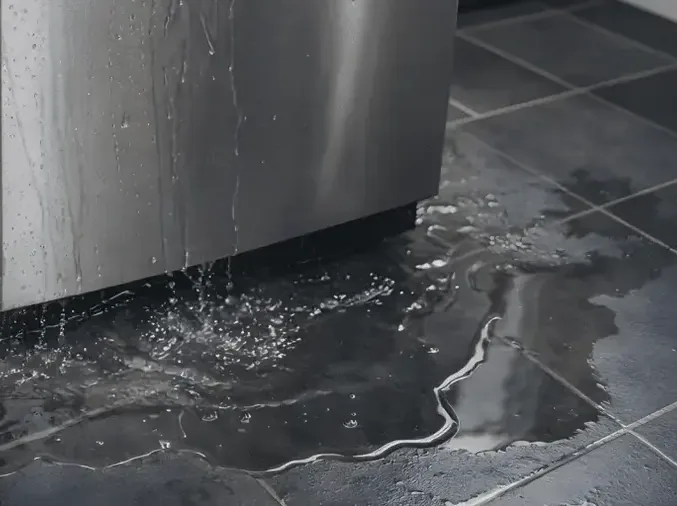
A small strip of water in front of an appliance can conceal a much wider wet area underneath it. Cabinet bases, floor underlayment and wall edges may absorb the release before it reaches an open walkway. The assessment should identify the appliance connection or discharge involved, then follow the water into surrounding materials rather than treating the visible puddle as the entire problem.
First steps for appliance leak water damage
- Pause the appliance. Stop operation and arrange safe source isolation without reaching across water to wet plugs, switches or appliance connections.
- Describe hidden symptoms. Mention swollen cabinet edges, floor joint changes or water emerging from beneath a toe kick so the assessment includes concealed spread around the appliance.
- Protect unaffected contents. Keep dry belongings away from the wet work area and identify anything that contacted appliance discharge before items are moved into neighboring rooms.
- Coordinate equipment access. Explain whether the appliance is scheduled for repair or removal so cleanup can use that access to examine the floor and wall surfaces behind it.
How appliance leak water damage progresses
- 1
Identify release conditions
The assessment identifies which appliance connection or discharge is involved and what surfaces received water, then defines the appropriate cleanup boundary for the room.
- 2
Inspect concealed contact areas
Accessible openings, cabinet edges and connected flooring are checked for retained moisture, with selective access discussed where a finish prevents assessment of the layer beneath it.
- 3
Remove and dry appropriately
Accessible water is extracted, residues and unsuitable materials are addressed, and the remaining assembly receives a drying arrangement fitted to the cabinet and floor configuration.
- 4
Coordinate reinstallation timing
The drying record and material condition inform when appliance replacement or finish repairs can proceed, with remaining access needs identified before the affected area is covered again.
Use the appliance opening to understand the spread
At a property in Silver Triangle, the useful starting details are the appliance involved, whether it was operating and where water first appeared. A supply connection release and a discharge spill can leave different residues. The cleanup plan should account for the water condition and coordinate appliance access so hidden floor surfaces can be inspected without damaging surrounding cabinetry or connections.
For homes near Moorpark Street or in Colfax Meadows, fixed storage and adjoining floor coverings may affect access. Describe any soft cabinet edge, changed flooring joint or damp wall base. These symptoms can identify surfaces that need moisture checks even after towels have removed water from the middle of the room.
- Pause use of the leaking appliance and arrange safe isolation before another cycle sends more water through the same affected area.
- Inspect the floor beneath accessible appliance openings where water can collect without remaining visible from the front of the cabinet.
- Check cabinet base materials for swelling or separation that may change the decision between drying and replacement of affected components.
- Assess residues and water contact before moving damp contents or directing airflow through the kitchen or laundry work area.
Plan selective access around connected finishes
Removing a toe kick or a damaged floor section can reveal the wet assembly, but access should have a stated purpose. The inspection should explain what needs to be reached and whether the retained materials can dry in place. A new appliance installation should be coordinated with this work so equipment does not cover a wet substrate before the floor is ready.
- Distinguish finish damage from moisture beneath the surface when a floor seam has lifted or changed texture.
- Check the wall behind the appliance if water reached its base or entered through a nearby connection opening.
- Consider hardwood floor drying when an appliance release has reached adjoining wood boards and their supporting layers.
- Record material changes during access so added removal or a revised equipment arrangement has a clear explanation.
Confirm the room is ready for normal use
Appliance repair and interior recovery have different completion points. The source must be corrected, and the affected cabinet or floor assembly must reach a suitable condition for closing. Measurements help show progress in retained materials, while visibly swollen or separated components may require replacement regardless of whether their surfaces now feel dry.
The final scope should connect extraction, cleaning where needed, selective removal and drying. Keep appliance service documents alongside that record so the source correction and building work remain easy to distinguish.
Discuss the wet materials before repairs
A clear kitchen floor can still hide water beneath the appliance opening. Describe the equipment involved and any changed cabinet or flooring edges to arrange a focused assessment of the affected assembly.
(888) 578-6508 Discuss the concealed appliance spillWhat does appliance leak water damage cost in Studio City, CA?
Appliance leak water damage costs in Studio City depend on access beneath the appliance and the connected finishes affected. The ranges below increase when water reaches cabinet materials or concealed floor layers requiring opening.
Accessible floor spill
$700 to $1,400
- Open surfaces
- Focused removal
- Limited setup
Cabinet-edge water
$1,400 to $2,600
- Toe kick access
- Damp bases
- Material checks
Concealed floor spread
$2,600 to $4,000
- Layered flooring
- Selective opening
- Broader drying
The figures describe typical work scopes, not a quote. Water category, affected area, access and the time before drying change the scope. Compare the inputs in the water damage cost calculator.
Documentation for your insurance claim
The restoration contractor records the water source, affected rooms and moisture readings before removal begins. Timestamped photographs show damaged materials and the reason for opening a wall or lifting a floor. Daily temperature, humidity and material readings document progress against a dry comparison area. An itemized scope separates extraction, disposal, cleaning and equipment use from plumbing repairs and finish replacement. The property owner keeps invoices and the initial discovery details with that record. An insurer evaluates coverage under the actual policy; a sudden plumbing release, outside flooding and a sewer backup can receive different treatment. The adjuster decides coverage, and the homeowner checks deductibles, exclusions and any applicable endorsements directly with the insurer.
Daily measurements support the IICRC S500 drying goal. The drying crew compares similar materials and investigates readings that stop improving before equipment leaves.
Appliance leak water damage in Studio City
Appliance cleanup serves Studio City homes around Silver Triangle, Moorpark Street and Colfax Meadows, with the inspection focused on the appliance opening and connected wet floor or cabinet materials.
The same service nearby: appliance leak water damage in Valley Village, North Hollywood, Sherman Oaks.
All water damage services in Studio City · View all service areas
Appliance Leak Water Damage questions in Studio City, CA
Can an appliance still leak when it is switched off?
The release depends on the failed component and its water connection. Switching off operation may not isolate a pressurized supply connection. Arrange safe source assessment and describe whether water continues appearing so the repair and cleanup sequence can account for an active release around the appliance.
Why remove a cabinet toe kick after a small spill?
The space behind a toe kick can conceal wet flooring or cabinet base material. Selective access may allow moisture checks and drying of that area. The purpose should be explained before removal so the owner understands whether it supports inspection, damaged material handling or ongoing drying.
Can swollen cabinet panels return to their original shape?
Material response varies, and swelling or separation may leave a component unsuitable even after it dries. The assessment should distinguish recoverable moisture from permanent material damage. Replacement decisions belong to the condition of the affected panel and assembly, rather than a promise that drying will restore its appearance.
Does appliance discharge require cleaning as well as extraction?
Discharge may carry detergent, food residue or other material from appliance operation. Its condition and contacted surfaces determine cleaning needs. The cleanup scope should identify those residues and any unsuitable porous materials before airflow is directed across the remaining cabinet, floor or wall assembly.
Should a replacement appliance be installed immediately?
Coordinate installation with inspection of the exposed opening. A replacement can block access to wet flooring or the wall behind it. The cleanup plan should state whether those materials need removal or drying first, then identify the condition required before the appliance is put back in place.
How can the owner tell whether concealed areas were addressed?
Ask for a record identifying the inspected openings, moisture locations and materials retained or removed. Photographs and repeat readings help connect the work to hidden areas. The final handoff should explain any remaining cabinet or flooring repairs separately from the appliance service needed to correct the source.
A clear scope starts with the source
A clear kitchen floor can still hide water beneath the appliance opening. Describe the equipment involved and any changed cabinet or flooring edges to arrange a focused assessment of the affected assembly.
(888) 578-6508 Discuss the concealed appliance spillBring hidden kitchen or laundry moisture into view
Access and material checks clarify what needs cleanup before the appliance returns to service.
(888) 578-6508 Arrange appliance area drying assessment