Hardwood Floor Water Damage in Studio City
Raised board edges can signal moisture deeper than the visible floor surface. Hardwood water damage cleanup in Studio City assesses the boards, supporting layers and water source before a drying or replacement decision.
(888) 578-6508 Discuss the changed hardwood surface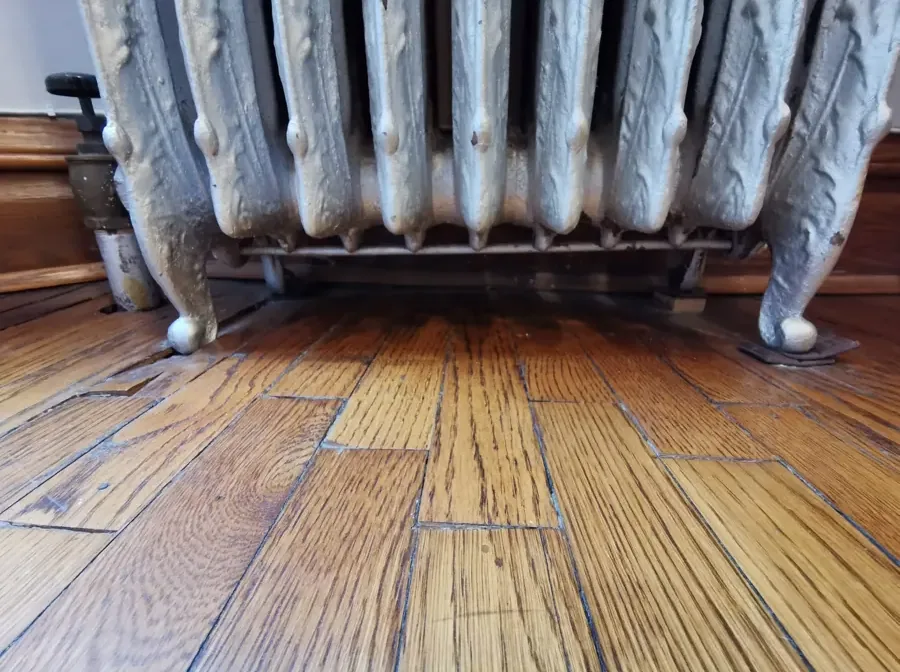
A wood floor can show water damage through raised edges, altered seams or discoloration after the open surface has been wiped dry. Those changes need an assessment of the boards and the layers supporting them. The aim is to identify retained moisture and permanent damage separately, then choose access and drying methods suited to the assembly rather than promise that every affected section can stay.
First steps for hardwood floor water damage
- Protect the affected boards. Keep coverings off damp sections and avoid walking across raised or unstable edges until the floor has been assessed.
- Describe source and spread. Explain what released the water and where it traveled, including nearby rooms or cabinet edges that may share the same wet floor assembly.
- Delay cosmetic refinishing. Hold sanding or coating work until the moisture condition and board response have been evaluated so the repair plan reflects the assembly as it dries.
- Identify concealed layers. Share flooring installation details and mention access beneath the room that could help assess the substrate without disturbing sound boards.
How hardwood floor water damage progresses
- 1
Map visible floor changes
The inspection records altered seams, raised edges and water contact, then measures moisture across boards and accessible supporting materials to define the affected assembly.
- 2
Assess material retention
Water condition, board damage and substrate access are evaluated together so the scope explains which sections can receive drying and which require removal or further examination.
- 3
Treat the wet layers
Liquid is extracted before retained materials receive drying, with access adjusted wherever a covering obstructs treatment of the moisture beneath the boards.
- 4
Prepare the flooring handoff
Repeat checks and the condition of the assembly inform the next repair stage, with findings documented before replacement, sanding or finish application changes the treated floor again.
Read the floor as a layered assembly
Colfax Meadows and Silver Triangle are named local areas where service can be arranged. At an individual property, the first useful details are the water source, duration of contact and visible floor changes. Water may reach backing, adhesive or the subfloor through board joints and edges. Those layers can respond differently from the exposed face and may need their own moisture assessment.
The local housing mix includes mid-century modern, Spanish revival and storybook Tudor homes. A property near Moorpark Street still needs an inspection of its actual flooring type and installation. The condition of boards, attachment and substrate determines whether drying can proceed with the floor in place or whether selected sections need removal to reach wet material underneath.
- Document board edge changes and discolored areas before rugs or furniture are moved across the affected floor during the assessment.
- Identify water contact beneath rugs and around fixed cabinetry where the wet footprint can extend past the visibly altered boards.
- Check adjoining flooring transitions for moisture that crossed into a different finish or reached the wall base beside the wood.
- Distinguish contamination and material separation from retained dampness when considering whether a floor section remains suitable for drying.
Choose access before committing to refinishing
Sanding a changing floor too early can make finish work harder to plan as the assembly continues responding to moisture. The cleanup scope should first address accessible water, retained dampness and damaged layers. Drying equipment may be appropriate where the assembly permits treatment, while removal may be necessary to expose a wet substrate or replace boards that have become unsuitable.
- Use water extraction for accessible liquid before treating moisture retained within the floor and supporting layers.
- Explain selective removal when an intact surface blocks treatment of a wet layer that cannot be reached effectively.
- Measure relevant locations repeatedly so changing board condition can be considered alongside the moisture trend during drying.
- Keep replacement boards and finish work coordinated with substrate readiness rather than the disappearance of visible surface water.
Give the flooring contractor a useful handoff
The drying record should identify the affected footprint, material decisions and condition of the retained substrate. This information helps distinguish restoration work from later sanding, finishing or replacement. An inaccessible layer needs the appropriate assessment before a new floor section or other finish covers it. That access belongs in the proposed repair sequence.
Flooring recovery is complete only when the planned next work suits the assembly's condition. A clear record of measurements and damage gives the owner a practical basis for that conversation with the finish contractor.
Discuss the wet materials before repairs
Changed board edges deserve attention to the layers beneath them. Describe the water source, visible floor changes and nearby wet surfaces to arrange an assessment of retention, access and drying options for the affected assembly.
(888) 578-6508 Arrange a hardwood moisture assessmentWhat does hardwood floor water damage cost in Studio City, CA?
Hardwood floor water damage costs in Studio City depend on board condition, substrate moisture and access. These ranges distinguish a limited clean water footprint from broader floor involvement and difficult concealed drying needs.
Limited clean-water area
$1,200 to $2,000
- Focused footprint
- Accessible boards
- Moisture checks
Several affected floor sections
$2,000 to $3,400
- Connected layers
- Selective access
- Wider treatment
Dense or concealed moisture
$3,400 to $5,000
- Restricted drying
- Substrate exposure
- Complex assessment
The figures describe typical work scopes, not a quote. Water category, affected area, access and the time before drying change the scope. Compare the inputs in the water damage cost calculator.
Documentation for your insurance claim
The restoration contractor records the water source, affected rooms and moisture readings before removal begins. Timestamped photographs show damaged materials and the reason for opening a wall or lifting a floor. Daily temperature, humidity and material readings document progress against a dry comparison area. An itemized scope separates extraction, disposal, cleaning and equipment use from plumbing repairs and finish replacement. The property owner keeps invoices and the initial discovery details with that record. An insurer evaluates coverage under the actual policy; a sudden plumbing release, outside flooding and a sewer backup can receive different treatment. The adjuster decides coverage, and the homeowner checks deductibles, exclusions and any applicable endorsements directly with the insurer.
Daily measurements support the IICRC S500 drying goal. The drying crew compares similar materials and investigates readings that stop improving before equipment leaves.
Hardwood floor water damage in Studio City
Hardwood damage assessment serves Studio City properties in Colfax Meadows, Silver Triangle and around Moorpark Street, with drying decisions based on the wood flooring and supporting assembly actually present.
The same service nearby: hardwood floor water damage in Valley Village, North Hollywood, Sherman Oaks.
All water damage services in Studio City · View all service areas
Hardwood Floor Water Damage questions in Studio City, CA
Do raised board edges always mean replacement is necessary?
Raised edges call for assessment of moisture, material condition and the floor assembly. Some boards may respond to appropriate drying, while damage or contamination can make retention unsuitable. The decision should follow the inspected condition rather than a blanket promise about the appearance of every affected wood floor.
Can the floor be sanded as soon as the puddle is gone?
The assembly may continue changing while moisture remains within boards or supporting layers. Sanding should be coordinated with the flooring contractor after the condition is assessed and stabilized for that work. Surface water removal alone does not determine whether the floor is ready for cosmetic restoration.
Why inspect the subfloor if the boards look sound?
Moisture can move through joints and edges into the layers below the visible wood. Those layers may remain wet after the board surface improves. Assessing the substrate helps determine access needs and prevents a retained floor from concealing moisture that still requires treatment beneath it.
Can rugs remain over the damp section during drying?
A covering can obstruct inspection and reduce moisture release from the floor surface. Affected rugs also need their own assessment based on water contact and material condition. Coordinate their handling with cleanup so they do not conceal a wet area or transfer moisture to another room.
Does specialized drying mean every board can be saved?
Equipment supports moisture removal where the floor assembly remains suitable for treatment. It cannot necessarily reverse separation, contamination or other permanent damage. The scope should identify those limits through material inspection and explain any recommended removal alongside the drying plan for boards or substrate that can remain.
What should be checked before new flooring is installed?
The substrate condition, retained moisture and remaining damage should be assessed for the intended installation. Keep the drying record available to the flooring contractor. Replacement should follow those requirements so the new finish does not cover a layer that still needs treatment or preparation beneath the repaired area.
A clear scope starts with the source
Changed board edges deserve attention to the layers beneath them. Describe the water source, visible floor changes and nearby wet surfaces to arrange an assessment of retention, access and drying options for the affected assembly.
(888) 578-6508 Arrange a hardwood moisture assessmentBase the next floor repair on material condition
Measurements and damage checks clarify the work needed before sanding, replacement or a new finish is considered.
(888) 578-6508 Discuss the wet flooring assembly