Water Extraction in Studio City
A puddle can keep feeding moisture into nearby finishes while the source is being repaired. Water extraction in Studio City removes accessible water and reveals where the next drying decisions belong.
(888) 578-6508 Arrange removal of pooled water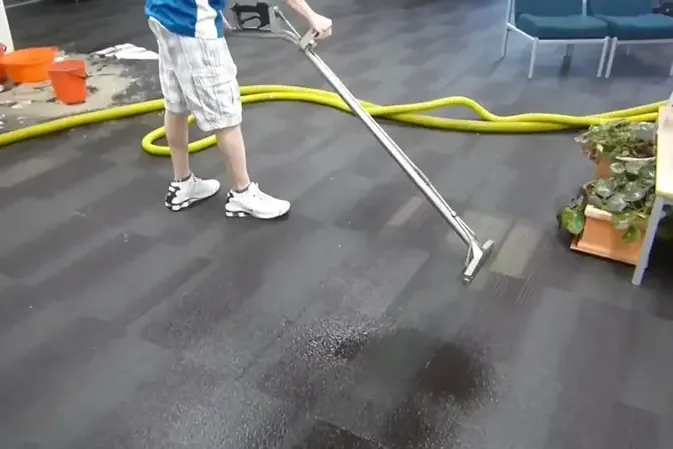
The visible puddle is often only the easiest part of a water loss to find. Water can collect beneath a rug, move under a cabinet toe kick or saturate the edge of a wall before the center of a room looks deeply flooded. Extraction begins by identifying the source and removing the accessible water without carrying contamination into dry spaces.
First steps for water extraction
- Keep the path safe. Avoid entering water around electrical equipment, and describe any blocked doors or unsafe flooring before an extraction route is selected.
- Limit incoming water. Have the source isolated when it can be reached safely, and explain whether the puddle continues growing after that action.
- Leave a useful record. Capture the standing water and its boundaries from a dry position before furnishings or extraction equipment change the room layout.
- Identify vulnerable contents. Point out rugs, stored papers and low furniture that contacted water so their handling can be included in the cleanup scope.
How water extraction progresses
- 1
Map the collection areas
The inspection identifies visible water, connected wet surfaces and the source condition, then plans a workable route for hoses and removal equipment through the property.
- 2
Extract accessible liquid
Removal equipment is selected for the surface and water conditions, with attention to low spots, carpet layers and edges that hold water after initial passes.
- 3
Inspect retained assemblies
Moisture checks extend beyond the cleared puddle to find damp backing, floor transitions or lower wall sections that need access before drying can work effectively.
- 4
Set the drying scope
The remaining wet materials are documented, equipment needs are explained, and any required removal is identified before the project moves from extraction into sustained drying.
Follow the wet footprint before placing equipment
The July 2026 public water main break flooded Coldwater Canyon Avenue near Woodbridge Street. Inside an affected property, removal decisions depend on the actual entry point and the surfaces involved. A room with wet carpet needs a different extraction approach from a tile floor with water gathering beneath adjoining wood trim. The inspection should account for both the floor surface and its surrounding assemblies.
At a home in Colfax Meadows, a useful starting description identifies which rooms are wet and whether the water is still spreading. Furniture placement, doorway thresholds and built in storage can obstruct access. Those obstacles belong in the removal plan because standing water left behind them can continue soaking adjacent finishes.
- Check the lowest visible collection points and the edges of furniture before selecting an extraction route across the room.
- Inspect carpet backing and padding where appropriate, since a surface pass may leave water in the layers below.
- Separate water that contacted contaminated materials from a clean supply spill when deciding how the space should be handled.
- Protect dry passageways so hoses, removed contents and foot traffic do not distribute wet debris into unaffected areas.
Extraction and drying solve different problems
Removing liquid water reduces the moisture load while the building materials may still need sustained drying. A floor can stop reflecting puddles while the backing remains saturated. Once accessible water is removed, readings across the floor and lower walls help define the work that remains. Structural drying addresses that retained moisture through equipment placement and repeat measurements.
- Record areas that remain wet after extraction so equipment targets the materials rather than merely the room center.
- Assess swollen trim separately from sound material that can remain exposed during the next stage of drying.
- Discuss removal of damaged floor layers when they prevent access to moisture trapped underneath the visible finish.
- Keep the source repair coordinated with cleanup so a new release does not refill the same wet area.
Make the handoff to repairs understandable
Properties near Ventura Boulevard can have different room layouts and access constraints. The cleanup record should identify what was extracted, what was removed and what still needs drying. That makes the next decision clearer for the property owner, whether the affected area is a single open room or several connected spaces with concealed moisture.
Before flooring or wall finishes are replaced, the retained assembly needs a documented endpoint. The disappearance of standing water marks progress, while material readings determine what still needs attention.
Discuss the wet materials before repairs
Standing water can keep moving beneath finishes while the room appears unchanged. Describe the affected surfaces and whether the source has stopped to arrange an extraction assessment for the property.
(888) 578-6508 Discuss pooled water indoorsWhat does water extraction cost in Studio City, CA?
Water extraction in Studio City is priced around access, water volume and the surfaces involved. The ranges below distinguish straightforward removal from broader work where several rooms or difficult collection areas need attention.
One accessible room
$700 to $1,300
- Open floor
- Focused removal
- Simple access
Several wet rooms
$1,300 to $2,500
- Connected spaces
- More surfaces
- Multiple passes
Complex removal
$2,500 to $3,500
- Restricted routes
- Trapped water
- Expanded handling
The figures describe typical work scopes, not a quote. Water category, affected area, access and the time before drying change the scope. Compare the inputs in the water damage cost calculator.
Documentation for your insurance claim
The restoration contractor records the water source, affected rooms and moisture readings before removal begins. Timestamped photographs show damaged materials and the reason for opening a wall or lifting a floor. Daily temperature, humidity and material readings document progress against a dry comparison area. An itemized scope separates extraction, disposal, cleaning and equipment use from plumbing repairs and finish replacement. The property owner keeps invoices and the initial discovery details with that record. An insurer evaluates coverage under the actual policy; a sudden plumbing release, outside flooding and a sewer backup can receive different treatment. The adjuster decides coverage, and the homeowner checks deductibles, exclusions and any applicable endorsements directly with the insurer.
Daily measurements support the IICRC S500 drying goal. The drying crew compares similar materials and investigates readings that stop improving before equipment leaves.
Water extraction in Studio City
Service covers Studio City properties around Colfax Meadows, Silver Triangle and Ventura Boulevard, with the inspection shaped by indoor access, the water source and affected materials.
The same service nearby: water extraction in Valley Village, North Hollywood, Sherman Oaks.
All water damage services in Studio City · View all service areas
Water Extraction questions in Studio City, CA
Can a household vacuum remove the standing water?
A household vacuum is not appropriate for standing water. Electrical exposure and contamination can create additional hazards. Professional removal equipment is selected for the surface and the water condition, while the inspection determines whether padding or other concealed layers also need access.
Why inspect walls when only the floor looks wet?
Water at the perimeter can soak trim and lower wall materials even when the obvious puddle is elsewhere. Checking those edges helps define the drying area. Leaving an undetected wet section behind can complicate later finish repairs after the open floor has dried.
Does extraction mean the carpet can stay?
Carpet retention depends on the water source, the condition of the carpet and backing, and the materials beneath it. Extraction is part of that assessment. Contamination, separation or damaged padding may require removal rather than continued drying of the complete floor covering.
What if water returns after the initial removal?
New pooling calls for another source assessment. An active leak, water held in an adjoining area or continuing outside entry can refill a cleared space. The next action should address that route as well as removing the liquid that has returned indoors.
Should furniture be moved before the visit?
Light belongings can be protected only when the surrounding area is safe to enter. Heavy items, wet electrical furniture and contaminated contents should remain undisturbed until their handling is assessed. Mention furniture that blocks access so the removal approach can account for it.
What record should follow the extraction work?
A useful record identifies the rooms treated, the surfaces involved, material removal and remaining moisture concerns. Photographs and readings help explain why drying equipment is still needed after puddles disappear. The written scope should distinguish extraction from subsequent repairs and replacement finishes.
A clear scope starts with the source
Standing water can keep moving beneath finishes while the room appears unchanged. Describe the affected surfaces and whether the source has stopped to arrange an extraction assessment for the property.
(888) 578-6508 Discuss pooled water indoorsMove from puddles to a drying plan
Removal starts with safe access and a clear understanding of where the water has collected.
(888) 578-6508 Arrange the extraction assessment