Water Extraction in North Hollywood
Water visible across a room is only the accessible portion of the loss. Extraction in North Hollywood begins by locating the release and following pooled water into edges, backing and adjoining spaces.
(888) 578-6508 Arrange removal for pooled water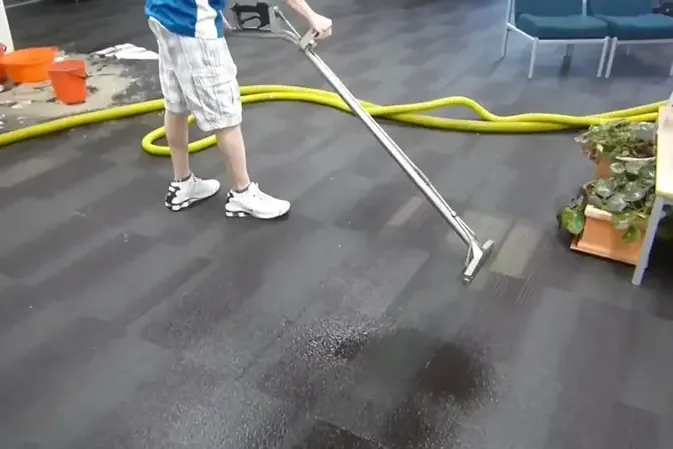
A wet carpet can hold water long after the puddle beside it disappears. In North Hollywood, extraction planning should consider the floor covering, the surface underneath and the route into adjoining rooms. Removing visible water makes those conditions easier to assess, but the work also needs a plan for absorbed moisture that remains within the floor assembly.
First steps for water extraction
- Keep entry dry. Occupants should use a dry route around the affected room and avoid reaching electrical equipment through water or across a wet floor.
- Identify continuing flow. An accessible shutoff can limit a supply release when it can be reached safely; ongoing water entry should be described during the request.
- Photograph the pooling. Images taken before extraction can show water depth, affected surfaces and the original room arrangement without disturbing unsafe or contaminated materials.
- Clear movable dry items. Dry objects near the cleanup area can be relocated through an unaffected route so equipment has access to the wet floor edges.
How water extraction progresses
- 1
Map connected wet surfaces
The initial assessment checks where liquid has collected and which nearby finishes may hold moisture beyond the visible boundary of the spill.
- 2
Extract from accessible areas
Removal equipment addresses pooled water and saturated surfaces in a sequence suited to the source, floor covering and safe collection route through the property.
- 3
Examine the exposed assembly
After removal, the floor perimeter and underlying layers are checked for retained water, with material access or cleaning needs recorded before drying equipment is arranged.
- 4
Set the next drying scope
Moisture observations support a plan for the remaining materials and explain whether additional exposure, cleaning or removal is needed before repair preparation begins.
Find the edges of the wet area
The first useful boundary is the full reach of the water, not the doorway around the most obvious puddle. A technician can check transitions, closet corners and wall bases to see where the release traveled. Furniture placement and stored belongings can hide low spots. Access should be arranged before moving items that might drag water across a dry surface.
Location details also matter when arranging an assessment. Valley Plaza Park extends between Sherman Way and Victory Boulevard, giving recognizable references for a property conversation. Inside the building, a room description is more useful than a broad area label: the affected finish, ongoing source and route to an accessible entrance help shape the removal setup.
- Carpet backing and underlay need attention when extraction from the upper surface leaves water held beneath the fibers.
- A hard floor can conceal moisture at joints or perimeter gaps even after visible pooling has been removed.
- Closets and adjoining thresholds should be checked when water has spread beneath furniture or crossed an interior doorway.
- Water containing waste or outside debris requires handling that accounts for contamination before equipment moves through occupied spaces.
Match removal to the surface and source
Equipment selection depends on water depth, floor material and the access available for collection. A shallow carpet spill needs a different approach from deeper water across an open hard surface. The source is equally important. Used appliance discharge and outside floodwater can require cleaning and material removal decisions beyond the extraction of liquid alone.
- Accessible standing water is collected while the source is controlled to prevent the cleaned space from refilling.
- Wet contents are assessed separately so removal work can reach the floor without spreading contamination between rooms.
- Edges receive further attention where repeated extraction reveals continued movement from backing or another concealed wet layer.
- The record should distinguish liquid removal from the later drying of porous finishes and the underlying structure.
Use extraction as the beginning of recovery
Once the room is accessible, remaining moisture determines the next stage. Some materials need exposure to support airflow; others need cleaning or removal before drying can proceed. The structural drying service explains that later phase. Repair decisions should wait until the retained assembly has been checked, rather than relying on the disappearance of the original puddle.
Discuss the wet materials before repairs
Pooling across a room calls for a clear removal plan. Describe the floor surface, source and adjoining wet areas so the assessment can address both the visible water and concealed spread.
(888) 578-6508 Discuss pooled water removalWhat does water extraction cost in North Hollywood, CA?
North Hollywood extraction estimates account for floor area, water depth, contamination and access. The ranges below describe removal complexity; a written scope should identify any additional material drying, disposal or repair work separately.
One accessible room
$700 to $1,300
- Open floor access
- Limited pooling
- Simple collection
Several wet rooms
$1,300 to $2,500
- Connected surfaces
- More extraction passes
- Additional setup
Complex removal
$2,500 to $3,500
- Difficult access
- Concealed water movement
- Expanded handling
The figures describe typical work scopes, not a quote. Water category, affected area, access and the time before drying change the scope. Compare the inputs in the water damage cost calculator.
Documentation for your insurance claim
The restoration contractor records the water source, affected rooms and moisture readings before removal begins. Timestamped photographs show damaged materials and the reason for opening a wall or lifting a floor. Daily temperature, humidity and material readings document progress against a dry comparison area. An itemized scope separates extraction, disposal, cleaning and equipment use from plumbing repairs and finish replacement. The property owner keeps invoices and the initial discovery details with that record. An insurer evaluates coverage under the actual policy; a sudden plumbing release, outside flooding and a sewer backup can receive different treatment. The adjuster decides coverage, and the homeowner checks deductibles, exclusions and any applicable endorsements directly with the insurer.
Daily measurements support the IICRC S500 drying goal. The drying crew compares similar materials and investigates readings that stop improving before equipment leaves.
Water extraction in North Hollywood
The property assessment starts with safe entry and a description of the wet rooms. Nearby references such as West Toluca Lake can help pinpoint the location during scheduling.
The same service nearby: water extraction in Valley Village, Studio City, Sherman Oaks.
All water damage services in North Hollywood · View all service areas
Water Extraction questions in North Hollywood, CA
Can extraction remove water from carpet backing?
Extraction can reduce water held in carpet, but the backing and underlay still need assessment. Their condition, the source and the amount retained determine whether they can remain. Drying equipment may be needed after removal to address moisture within the remaining floor assembly.
Why check the next room if it looks dry?
Water can pass beneath a threshold or along a wall base before creating a visible patch. Checking connected surfaces helps map the complete loss boundary. A room that appears unaffected may still have damp edges that require access during the drying phase.
Should a household vacuum be used on the water?
A household vacuum that is not intended for liquid collection should remain away from the spill. Electrical contact and inappropriate equipment can create additional hazards. The removal plan should use suitable extraction equipment after the water source and safe working access have been assessed.
What changes when the water came from outdoors?
Outside water can bring soil and other contaminants onto interior surfaces. Extraction is then part of a broader cleaning and material assessment. Porous finishes may need removal, and equipment movement should avoid carrying debris from the affected room into dry occupied areas.
Does extraction include replacement of damaged flooring?
Replacement work should be described separately in the estimate. Extraction addresses accessible water, while drying and material assessment determine what can remain. The owner should receive a clear explanation of any removal needed now and any later finish replacement required after the assembly is ready.
When can furniture return to the room?
Furniture placement depends on the floor condition and the continuing drying arrangement. Returning heavy items too early can cover wet edges or obstruct airflow. The completion discussion should identify any remaining moisture concerns and explain which areas must stay accessible until drying has finished.
A clear scope starts with the source
Pooling across a room calls for a clear removal plan. Describe the floor surface, source and adjoining wet areas so the assessment can address both the visible water and concealed spread.
(888) 578-6508 Discuss pooled water removalPlan the room's next step
Extraction opens the way to inspect retained moisture and choose the right drying work for the affected surfaces.
(888) 578-6508 Arrange a removal assessment