North Hollywood Storm Flood Cleanup
When outside water crosses an entrance, sediment and moisture can reach well beyond the first wet patch. North Hollywood flood cleanup follows that entry route through contents, floor layers and adjoining rooms.
(888) 578-6508 Discuss storm entry and cleanup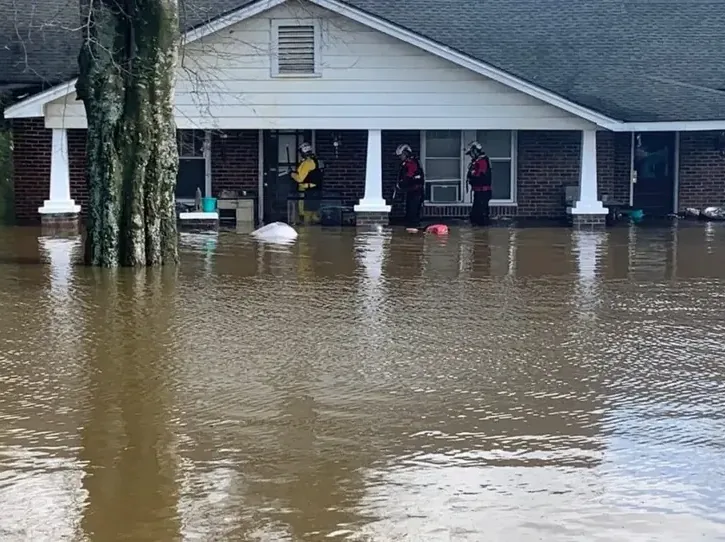
North Hollywood has a documented example of disruptive street flooding: FOX 11 reported on February 24, 2023 that Vineland Avenue closed between Vanowen Street and Sherman Way. For a property with outside water indoors, the immediate cleanup questions concern safe access, the entry route and the materials reached after water crossed the building boundary.
First steps for storm flood cleanup
- Stay outside flooded access. Occupants should avoid crossing standing water to reach the affected entrance, especially when electrical conditions or the floor beneath the water are unknown.
- Record the entry point. Safe photographs can show where outside water entered, what it contacted and any sediment left behind as the visible water recedes.
- Separate unaffected belongings. Dry possessions should remain away from debris and wet contents so the cleanup area does not expand through ordinary movement around the property.
- Describe current conditions. The request should explain whether outside water remains, which entrance is usable and how far the indoor spread appears to extend.
How storm flood cleanup progresses
- 1
Assess entry and indoor contact
Inspection connects the outside entry with sediment, pooling and contacted finishes, marking a safe boundary before contents are moved.
- 2
Remove water and debris
Extraction and controlled material handling reduce the liquid load while the scope identifies porous layers that obstruct cleaning or hold contaminated water beneath visible surfaces.
- 3
Clean exposed retained materials
Accessible surfaces are cleaned after removal, including joints and bases revealed by opening affected layers, so debris does not remain trapped beneath the later drying arrangement.
- 4
Track drying and repair needs
Moisture observations document the retained structure while completion notes identify interior replacement work and any separate attention required at the observed outside entry point.
Begin at the doorway and follow the deposits
Sediment can help show where water traveled, including places that no longer hold a puddle. A lower cabinet edge, threshold joint or folded rug can retain debris and moisture after the open floor becomes accessible. The assessment should connect these deposits with the path through the room, documenting affected contents before they are moved into a handling area.
- Floor transitions can conceal water carried beneath a covering even when the surface between rooms appears mostly dry.
- Stored boxes and fabric items may hold contaminated water and require separate decisions before movement through occupied spaces.
- Exterior access must be considered alongside interior conditions when standing water still surrounds an entrance or equipment route.
- Low wall edges should be assessed where water has contacted porous finishes, trim joints or the base of fixed cabinetry.
Cleaning belongs between removal and drying
Outside water can carry material that should not remain on retained surfaces. Extracting the liquid is therefore followed by cleaning and an assessment of porous layers. A floor that looks clearer after pumping can still have debris underneath it. The scope should explain how concealed surfaces will be reached and what must be removed to make that cleaning practical.
Dry belongings need a separate location from items taken out of the flood path. Equipment and disposal routes should avoid dragging sediment through unaffected rooms. When openings reveal a wider loss, photographs and an updated description help the owner understand the change before the cleanup expands beyond the original entry area.
Address the remaining moisture and the entry condition
The drying arrangement begins with the retained assembly after liquid removal and cleaning. Checks should include floor edges and wall bases that absorbed water while the room was flooded. Water extraction explains the removal phase, while drying observations support decisions about when the cleaned space is ready for finish repairs.
The route that admitted outside water also deserves attention. Cleanup records can preserve the observed entrance condition and water path for the property owner or repair contractor. The written scope should distinguish interior restoration from any separate exterior correction needed to reduce another entry through the same opening.
Discuss the wet materials before repairs
Outside water leaves a path through the materials it contacts. Describe the entry point, remaining water and affected contents so the assessment can address removal, cleaning and the drying work that follows.
(888) 578-6508 Assess the storm entryWhat does storm flood cleanup cost in North Hollywood, CA?
North Hollywood flood cleanup ranges reflect the extent of outside entry, debris and material involvement. The written scope should separate water removal, cleaning and drying from reconstruction or exterior work at the entry point.
Limited outside entry
$2,500 to $4,000
- Localized sediment
- Accessible water
- Focused material handling
Several affected rooms
$4,000 to $7,000
- Connected floor spread
- Broader cleaning
- Added drying zones
Extensive flood loss
$7,000 to $10,000
- Multiple wet assemblies
- Complex debris removal
- Expanded access needs
The figures describe typical work scopes, not a quote. Water category, affected area, access and the time before drying change the scope. Compare the inputs in the water damage cost calculator.
Documentation for your insurance claim
The restoration contractor records the water source, affected rooms and moisture readings before removal begins. Timestamped photographs show damaged materials and the reason for opening a wall or lifting a floor. Daily temperature, humidity and material readings document progress against a dry comparison area. An itemized scope separates extraction, disposal, cleaning and equipment use from plumbing repairs and finish replacement. The property owner keeps invoices and the initial discovery details with that record. An insurer evaluates coverage under the actual policy; a sudden plumbing release, outside flooding and a sewer backup can receive different treatment. The adjuster decides coverage, and the homeowner checks deductibles, exclusions and any applicable endorsements directly with the insurer.
Daily measurements support the IICRC S500 drying goal. The drying crew compares similar materials and investigates readings that stop improving before equipment leaves.
Storm flood cleanup in North Hollywood
An assessment request should identify the indoor entry point and any current access restrictions. Details about standing outside water help determine whether the affected space can be reached safely.
The same service nearby: storm flood cleanup in Valley Village, Studio City, Sherman Oaks.
All water damage services in North Hollywood · View all service areas
Storm Flood Cleanup questions in North Hollywood, CA
Does street flooding change the indoor cleanup plan?
The indoor plan depends on whether outside water entered and what it contacted. Access conditions around the building also matter when arranging work. The assessment should document the actual entry route and affected materials, then select removal and cleaning methods suited to that loss.
Can the room simply be dried after pumping?
Pumping removes accessible liquid but can leave sediment and contaminated material behind. Cleaning and porous material decisions come before the final drying arrangement. The scope should identify concealed surfaces that need access so debris is not enclosed beneath retained flooring or inside a wall base.
Why photograph water marks before cleaning?
Water marks and deposits can help explain the path and apparent extent of the event. Photographs preserve those observations before removal changes the scene. They also support a contents record and help connect later material access decisions to the conditions present when cleanup began.
What if the outside water has already receded?
Interior layers can remain wet after the exterior looks clear. Floor backing, wall bases and stored belongings may still hold moisture or debris. An assessment can identify what remains affected and whether the retained assembly needs cleaning, opening or equipment to support the next drying stage.
Are all flood affected belongings discarded?
Contents need decisions based on material, condition and the water contact involved. Some items may be suitable for cleaning, while porous or heavily affected items may require disposal. A separate handling area and written inventory help keep those decisions clear without spreading debris into unaffected rooms.
Does the estimate include preventing another entry?
Interior cleanup and exterior correction should be distinguished in the written proposal. The cleanup record can document the observed entry point, but repair of that opening or another contributing condition may be separate work. The owner should understand those remaining needs before considering the property fully restored.
A clear scope starts with the source
Outside water leaves a path through the materials it contacts. Describe the entry point, remaining water and affected contents so the assessment can address removal, cleaning and the drying work that follows.
(888) 578-6508 Assess the storm entryPlan beyond the visible sediment
A clear cleanup scope follows water through the room and records the materials that need further attention.
(888) 578-6508 Discuss flood affected materials