Storm Flood Cleanup in Studio City
Muddy water indoors brings a different cleanup problem from a dripping fixture. Storm flood cleanup in Studio City assesses access, sediment and affected materials before removal, cleaning and structural drying begin.
(888) 578-6508 Discuss rainwater inside the property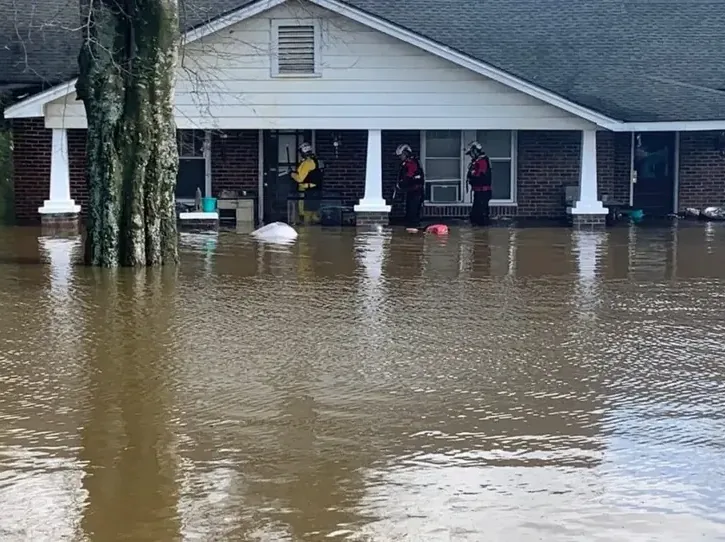
Water that crosses a threshold during a storm can leave grit beneath doors, sediment along walls and soaked layers under the floor finish. Even a room that drains quickly needs an assessment of those deposits. Safe access comes first, followed by an examination of the entry route and the materials contacted before water removal changes the appearance of the loss.
First steps for storm flood cleanup
- Wait for safe access. Stay outside areas affected by moving debris, unstable surfaces or electrical hazards until the conditions permit a safe assessment of the building.
- Keep deposits undisturbed. Avoid sweeping or directing fans across muddy residue before its removal is planned and the affected work area has been separated.
- Describe the entry route. Report whether water crossed a doorway, entered through a wall opening or collected in several spaces during the rainfall at the property.
- Protect the record. Photograph visible deposits and affected belongings from a safe position, and retain documents related to emergency protection or necessary source corrections.
How storm flood cleanup progresses
- 1
Assess the work approach
The inspection starts with access and entry conditions, then identifies rooms, deposits and finishes involved so removal can proceed within a defined boundary.
- 2
Remove water and debris
Accessible water and deposited material are collected while affected contents and unsuitable finishes are handled separately from belongings and surfaces outside the storm water footprint.
- 3
Clean the exposed building
Retained assemblies receive appropriate cleaning after obstructive materials are removed, with attention to joints and lower surfaces where fine sediment can remain after extraction.
- 4
Dry and document conditions
Equipment addresses moisture in the cleaned structure, and recorded checks explain progress, outstanding concerns and readiness for the repair work needed to restore the affected interior.
Recognize the difference between water and debris damage
Steady rain triggered a debris flow on West Lockridge Road near Fryman Canyon Park in February 2024. Homes were damaged and residents were evacuated. After an event involving moving mud or debris, the condition of the building and its surroundings shapes access to the interior. Cleanup starts only when the work area can be approached safely and the relevant hazards have been addressed.
At an affected property in Silver Triangle, the inspection should distinguish water staining from sediment deposits and damaged finishes. A thin film across a floor can reach joints, cabinet bases and wall edges. The cleanup scope needs to account for these contact areas instead of stopping at the portion that still holds visible standing water.
- Record water entry points and deposits from a safe location before cleanup removes the marks that show the route indoors.
- Identify unstable finishes, wet electrical equipment and blocked exits before moving contents or placing extraction equipment inside affected rooms.
- Separate salvageable contents from items requiring disposal so contaminated debris is not carried through otherwise dry living spaces.
- Inspect absorbent layers beneath the visible floor surface where outside water and fine sediment may have collected together.
Clear the residue before drying the structure
Extraction removes accessible water, while sediment and contaminated materials require additional handling. Porous finishes may need removal to expose the retained assembly for cleaning. Only after those steps can drying equipment be directed across the cleaned structure. The plan should describe how waste leaves the building and how unaffected rooms remain separated while the affected area is opened and treated.
- Assess trim and wall bases for trapped debris where the water path ends beneath a finished surface.
- Remove unsuitable wet materials when they prevent cleaning or block access to the structure underneath them.
- Use structural drying for moisture retained in exposed assemblies after outside residues have been addressed.
- Document lingering entry problems so another rainfall does not interrupt recovery with water following the same route.
Plan restoration around the remaining condition
Storm work can involve cleanup, building repairs and correction of the water entry route. Those responsibilities should be clear in the written scope. Finish replacement follows the condition of the retained materials, with moisture measurements showing whether the assembly is ready rather than a decision based solely on how clean the room now looks.
Keep photographs of deposits and damaged contents with the project record. They help explain the difference between extracting water and the additional work required to clean and dry a storm affected interior.
Discuss the wet materials before repairs
Outside water can leave sediment in places a quick surface cleanup misses. Describe the entry route and deposited material to arrange an assessment of the storm affected interior.
(888) 578-6508 Discuss the storm entry cleanupWhat does storm flood cleanup cost in Studio City, CA?
Storm flood cleanup in Studio City varies with entry extent, sediment and the materials requiring removal. These ranges reflect the growing work involved when outside water spreads through more rooms and concealed surfaces.
Limited outside entry
$2,500 to $4,000
- Focused footprint
- Light deposits
- Accessible surfaces
Several affected rooms
$4,000 to $7,000
- Wider contact
- More removal
- Connected drying
Extensive flood loss
$7,000 to $10,000
- Complex debris
- Layered damage
- Expanded restoration
The figures describe typical work scopes, not a quote. Water category, affected area, access and the time before drying change the scope. Compare the inputs in the water damage cost calculator.
Documentation for your insurance claim
The restoration contractor records the water source, affected rooms and moisture readings before removal begins. Timestamped photographs show damaged materials and the reason for opening a wall or lifting a floor. Daily temperature, humidity and material readings document progress against a dry comparison area. An itemized scope separates extraction, disposal, cleaning and equipment use from plumbing repairs and finish replacement. The property owner keeps invoices and the initial discovery details with that record. An insurer evaluates coverage under the actual policy; a sudden plumbing release, outside flooding and a sewer backup can receive different treatment. The adjuster decides coverage, and the homeowner checks deductibles, exclusions and any applicable endorsements directly with the insurer.
Daily measurements support the IICRC S500 drying goal. The drying crew compares similar materials and investigates readings that stop improving before equipment leaves.
Storm flood cleanup in Studio City
Storm cleanup serves Studio City properties around West Lockridge Road, Fryman Canyon Park and Silver Triangle, with access decisions based on current conditions at the affected building.
The same service nearby: storm flood cleanup in Valley Village, North Hollywood, Sherman Oaks.
All water damage services in Studio City · View all service areas
Storm Flood Cleanup questions in Studio City, CA
Can cleanup begin while water is still entering?
The answer depends on access and the entry conditions. Emergency protection or removal may be useful, but unstable areas and electrical hazards need attention first. The work plan should explain how continuing entry will be managed before equipment or people occupy the affected room.
Why is muddy water treated differently from a fixture leak?
Outside water can carry sediment and contamination onto indoor surfaces and into absorbent layers. Removing liquid alone leaves those deposits behind. The cleanup sequence may therefore require material removal and cleaning before the retained assembly receives the drying treatment needed for later finish repairs.
Should dried mud be swept out before the inspection?
Dry residue should remain undisturbed until its handling is assessed. Sweeping or blowing air across deposits can distribute particles to other surfaces. Describe where deposits remain and preserve photographs so the cleanup scope can include their removal without spreading material into unaffected rooms.
Can a wet carpet be dried after storm entry?
The decision depends on water contact, contamination and the condition of the carpet assembly. Outside floodwater can reach padding and backing that cannot be adequately cleaned in place. The inspection should explain any removal recommendation and identify how the exposed subfloor will be treated afterward.
Does the cleanup estimate include stopping future outside entry?
Entry correction should be identified separately if it requires building or site repair beyond restoration. The cleanup scope addresses the water and damage already indoors. Coordinating both tasks matters because another rainfall can interrupt drying if the original entry route remains open at the property.
What shows that the cleaned building is ready for repairs?
Readiness involves the condition of retained materials, completion of necessary cleaning and moisture measurements supporting the next repair stage. A room can look clean while framing or floor layers remain damp. The handoff should identify those checks and any unresolved access or entry concerns.
A clear scope starts with the source
Outside water can leave sediment in places a quick surface cleanup misses. Describe the entry route and deposited material to arrange an assessment of the storm affected interior.
(888) 578-6508 Discuss the storm entry cleanupGive wet rooms a measured recovery plan
After safe entry and residue removal, the technician measures remaining moisture before planning further drying or repairs.
(888) 578-6508 Arrange an outside water assessment