North Hollywood Sewage Backup Cleanup
A drain backup changes how a wet room should be entered and cleaned. North Hollywood sewage cleanup begins with separation of the affected area and an assessment of surfaces contacted by wastewater.
(888) 578-6508 Discuss wastewater indoors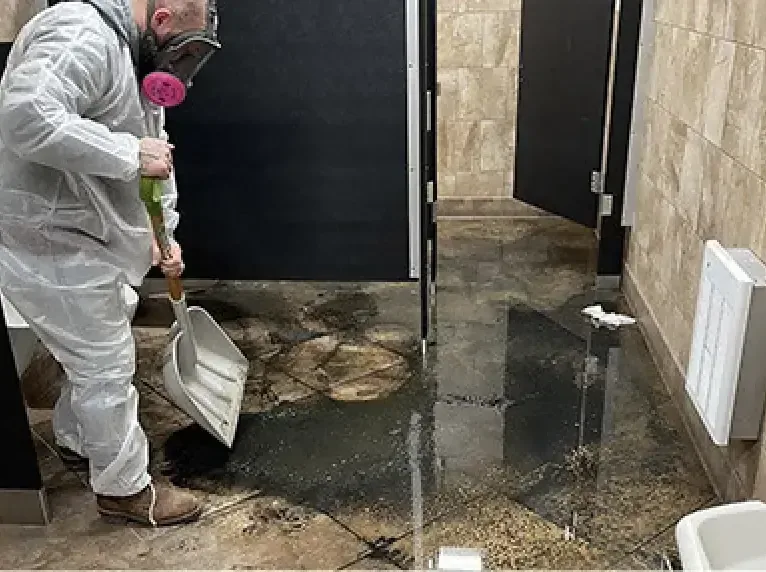
Wastewater on a floor requires more than wiping up the visible liquid. A North Hollywood sewage loss needs a defined work area, an understanding of the drain problem and a material assessment that follows every contacted surface. Soft furnishings, trim edges and floor seams can complicate the cleanup even when the spill appears contained within a bathroom.
First steps for sewage backup cleanup
- Close the affected area. People and pets should remain outside the spill zone, with a dry passage preserved around the room where possible.
- Pause connected fixtures. Further discharge can enlarge the loss, so use of affected plumbing should stop while the drainage problem receives professional attention.
- Keep contents separate. Wet objects should not be carried through occupied rooms without a handling plan that prevents wastewater from reaching unaffected surfaces.
- Describe the spread. The cleanup request should explain which fixtures backed up, whether water is still rising and which adjoining spaces have been reached.
How sewage backup cleanup progresses
- 1
Set the work boundary
The assessment follows wastewater contact across surfaces and identifies a practical route for removal equipment, discarded materials and access to the affected drain area.
- 2
Remove water and affected layers
Controlled extraction addresses liquid while porous material decisions account for contamination, hidden contact and the feasibility of cleaning each layer within the affected assembly.
- 3
Clean retained accessible surfaces
Cleaning follows the actual wastewater path, including exposed edges and bases that become reachable after removal, before the remaining structure enters the drying phase.
- 4
Document the transition to repairs
The closing record identifies retained surfaces, removed materials and drying observations, with drain correction and reconstruction responsibilities made clear for the property owner.
Keep the backup from spreading through daily activity
Foot traffic can carry contaminated water out of the original room. The initial plan should specify a boundary and an equipment route, with affected contents kept separate from dry belongings. Occupants should avoid the spill and suspend use of fixtures connected to the active backup until the drainage problem has been assessed by an appropriate plumbing professional.
- Water at a doorway may have reached the underside of nearby flooring before spreading visibly into the hall.
- Porous materials need an individual removal decision based on wastewater contact and whether effective cleaning is practical.
- Cabinet bases and enclosed edges should be checked where liquid can collect beyond the reach of surface wiping.
- The cleanup record should distinguish contaminated contents from building materials so each handling decision remains understandable.
Organize the property access conversation
Victory-Vineland Recreation Center is near Victory Boulevard and Vineland Avenue. Those local references can help pinpoint a property location, while entry details determine how the cleanup area will be reached. A shared corridor, a room behind another occupied space or limited access to the affected fixture may change the containment and material removal arrangement.
Drain repair and interior cleanup have separate purposes. Restoring drainage prevents another release; it leaves the existing wastewater contact to be addressed. The written scope should connect the sequence of those activities and explain which fixtures must remain unused while the source is being resolved. Drying then follows removal and cleaning of the retained surfaces.
Close the work with a clear material record
Contaminated water can affect materials that look intact from above. The scope should identify what is removed, what is cleaned and what remains accessible for drying. Toilet overflow cleanup addresses the related case of a fixture overflow, while a wider drain backup can require checks across several connected rooms and their concealed edges.
Before finish repairs begin, the owner should understand the condition of retained materials and any unresolved source work. Photographs of exposed areas and notes about disposal make the transition to reconstruction clearer, especially where the original floor covering or wall base has been removed.
Discuss the wet materials before repairs
Wastewater inside a room calls for controlled access and a defined cleanup boundary. Describe the affected fixture, continuing discharge and adjoining surfaces when arranging an assessment of the contaminated area.
(888) 578-6508 Arrange wastewater assessmentWhat does sewage backup cleanup cost in North Hollywood, CA?
North Hollywood sewage cleanup costs reflect contaminated area, material removal and access restrictions. The estimate should explain wastewater handling and drying while identifying drainage repairs or replacement finishes that fall outside the cleanup scope.
Contained bathroom
$2,000 to $3,500
- Defined work zone
- Accessible surfaces
- Focused removal
Adjacent room spread
$3,500 to $5,500
- Threshold contamination
- Additional materials
- Broader cleaning
Multiple affected spaces
$5,500 to $8,000
- Expanded containment
- Complex contents handling
- More drying access
The figures describe typical work scopes, not a quote. Water category, affected area, access and the time before drying change the scope. Compare the inputs in the water damage cost calculator.
Documentation for your insurance claim
The restoration contractor records the water source, affected rooms and moisture readings before removal begins. Timestamped photographs show damaged materials and the reason for opening a wall or lifting a floor. Daily temperature, humidity and material readings document progress against a dry comparison area. An itemized scope separates extraction, disposal, cleaning and equipment use from plumbing repairs and finish replacement. The property owner keeps invoices and the initial discovery details with that record. An insurer evaluates coverage under the actual policy; a sudden plumbing release, outside flooding and a sewer backup can receive different treatment. The adjuster decides coverage, and the homeowner checks deductibles, exclusions and any applicable endorsements directly with the insurer.
Daily measurements support the IICRC S500 drying goal. The drying crew compares similar materials and investigates readings that stop improving before equipment leaves.
Sewage backup cleanup in North Hollywood
During scheduling, the property location and entry conditions should be described together. A reference near Victory Boulevard helps locate the request; the affected drain and rooms determine the cleanup needs.
The same service nearby: sewage backup cleanup in Valley Village, Studio City, Sherman Oaks.
All water damage services in North Hollywood · View all service areas
Sewage Backup Cleanup questions in North Hollywood, CA
Is wastewater cleanup the same as drain repair?
Drain repair addresses the reason wastewater could not leave normally. Interior cleanup handles the liquid and materials already affected by the backup. Both tasks matter, and their scopes should be coordinated so cleaning is not followed by another release from an unresolved drain problem.
Can carpet that touched sewage remain in place?
Wastewater contact makes porous material decisions more restrictive. The carpet, backing and underlay need assessment as separate layers, including contamination beneath the surface. The cleanup proposal should explain any removal and disposal required instead of relying on extraction to make the assembly suitable for continued use.
Should fans run while sewage is still present?
Air movement should be part of the controlled cleanup plan after the affected area and contamination have been assessed. Household fans can disturb an uncontained work zone. Removal, material decisions and cleaning prepare retained surfaces for controlled drying.
What happens to items stored on the floor?
Each affected item needs a handling decision based on its material and contact with wastewater. Moving everything into another room can spread contamination. Photographs and a contents list help record the loss while the cleanup plan separates items for disposal, cleaning or protection from further contact.
Why inspect under the bathroom threshold?
Wastewater can pass through joints and collect beneath the edge of another floor covering. The upper surface may show only a small mark. Inspection at the threshold helps identify concealed contact and determines whether the cleanup boundary must include an adjoining hall or room.
What should the final paperwork explain?
The owner should be able to identify which areas were cleaned, what materials were removed and how retained surfaces were dried. Notes should also distinguish the completed cleanup from plumbing repairs and reconstruction. That separation helps avoid closing an opening before outstanding work is addressed.
A clear scope starts with the source
Wastewater inside a room calls for controlled access and a defined cleanup boundary. Describe the affected fixture, continuing discharge and adjoining surfaces when arranging an assessment of the contaminated area.
(888) 578-6508 Arrange wastewater assessmentKeep the cleanup scope clear
Removal, cleaning and drying decisions should follow the surfaces reached by the backup and the materials remaining afterward.
(888) 578-6508 Discuss the affected drain area