Water Extraction in Encino
Pooled water needs an exit before floor coverings can begin to dry. Encino water extraction addresses the visible accumulation and checks where liquid has traveled beneath furniture, thresholds and nearby wall edges.
(888) 578-6508 Arrange pooled water removal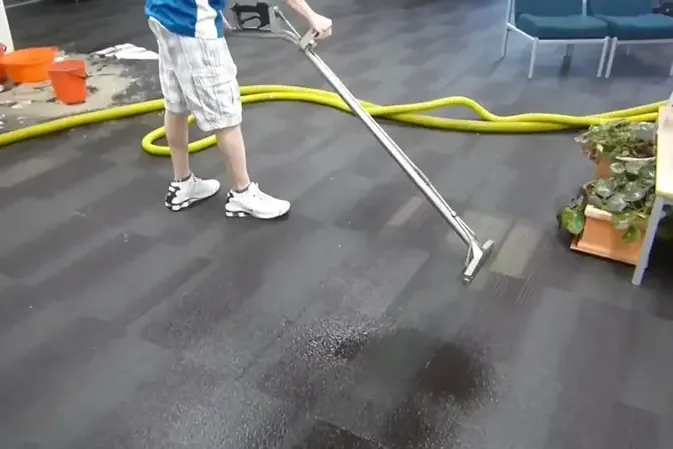
A carpet can feel merely damp after a visible puddle disappears while its backing still holds water. Extraction needs to address both the accumulation on top and the liquid available within accessible materials. In an Encino room, the initial inspection follows seams, furniture contact points and doorway transitions to mark a workable removal boundary.
First steps for water extraction
- Keep access dry. Choose a dry place from which to describe the damage and keep occupants away from wet outlets, cords and unstable flooring.
- Identify ongoing flow. Report whether the source is still releasing water and whether a safe shutoff or professional source repair has already been arranged.
- Protect movable belongings. Relocate small dry items only where access is safe, leaving heavy wet furnishings in place until their handling can be planned.
- Note connected surfaces. List adjoining rooms with continuous flooring and describe any water found beneath furniture, inside cupboards or at the opposite doorway edge.
How water extraction progresses
- 1
Map available collection areas
The assessment identifies standing water, absorbent coverings and the safe route for removal equipment, with contamination concerns recorded before work begins inside the room.
- 2
Collect the accessible liquid
Extraction equipment is selected for the amount of water and the surface involved, then moved through the affected area without overlooking edges and transitions.
- 3
Check beneath the apparent finish
Moisture readings and accessible inspections determine whether backing, subfloor materials or adjoining wall bases retain water after the main collection passes are complete.
- 4
Set the next drying task
Remaining wet materials receive a defined drying or removal plan, and the owner receives an explanation of what extraction accomplished and what follows afterward.
Give collected water a controlled route out
The June 8, 2017 water main rupture on Ventura Boulevard near Haskell Avenue flooded surrounding streets and affected at least seven businesses. That incident illustrates the disruption an outside release can cause. For a present loss, the source and contact history determine whether extraction can proceed with ordinary material drying or needs additional contamination controls.
Before a hose crosses the entrance, the work route should protect occupants from wet surfaces and equipment. A property reached from Firmament Avenue may have its own access constraints; describe locked doors, stored contents and the nearest dry staging space when arranging assessment. Those details belong in the removal plan.
- Keep plugs and extension cords out of water, even when the affected appliance appears to have stopped operating.
- Identify heavy furniture that traps moisture underneath rather than dragging it across a soaked carpet or unstable floor.
- Record which adjoining rooms share continuous flooring so the inspection follows potential spread through the doorway.
- Separate water that arrived from outdoors or a drain from a clearly identified indoor supply release.
The tool should suit the wet surface
Deep accumulation, carpet saturation and shallow water over tile require different collection methods. Accessible water can be removed repeatedly as it returns from backing or low spots. The operator should monitor the surface for damage and adjust the method around delicate finishes. A remaining stain alone cannot show how much recoverable water is still present below.
Flooring that has separated, become contaminated or trapped moisture underneath may need selective lifting. Any removal decision should name the material and explain why leaving it in place would prevent cleaning or effective drying.
Extraction ends where material drying begins
Once collectable water is gone, readings show whether walls, subfloor layers or cabinetry remain wet. Structural drying addresses moisture that removal equipment cannot simply collect. The handoff should include affected areas, materials left in place and any inaccessible pockets requiring further investigation.
Before equipment leaves, the property owner should receive a clear description of what was extracted and what still needs attention. A dry looking walking surface is useful progress, but the remaining assembly determines the next step.
Discuss the wet materials before repairs
Describe the pooled area, floor covering and whether the source has stopped. Those details help arrange an extraction assessment that accounts for both the visible water and adjoining wet materials.
(888) 578-6508 Discuss pooled water accessWhat does water extraction cost in Encino, CA?
Water extraction in Encino is shaped by accessible volume, floor covering and the route for equipment. The planning ranges below separate a contained room from wider spread or a difficult removal setup.
One accessible room
$700 to $1,300
- Open floor access
- Localized pooled water
- Basic edge checks
Several wet rooms
$1,300 to $2,500
- Connected floor areas
- Repeated collection passes
- Broader moisture mapping
Complex removal
$2,500 to $3,500
- Obstructed equipment access
- Difficult water pockets
- Additional handling needs
The figures describe typical work scopes, not a quote. Water category, affected area, access and the time before drying change the scope. Compare the inputs in the water damage cost calculator.
Documentation for your insurance claim
The restoration contractor records the water source, affected rooms and moisture readings before removal begins. Timestamped photographs show damaged materials and the reason for opening a wall or lifting a floor. Daily temperature, humidity and material readings document progress against a dry comparison area. An itemized scope separates extraction, disposal, cleaning and equipment use from plumbing repairs and finish replacement. The property owner keeps invoices and the initial discovery details with that record. An insurer evaluates coverage under the actual policy; a sudden plumbing release, outside flooding and a sewer backup can receive different treatment. The adjuster decides coverage, and the homeowner checks deductibles, exclusions and any applicable endorsements directly with the insurer.
Daily measurements support the IICRC S500 drying goal. The drying crew compares similar materials and investigates readings that stop improving before equipment leaves.
Water extraction in Encino
Encino extraction planning includes the listed 91316 and 91436 ZIP areas. Describe the entrance, affected floor and any obstruction that prevents safe movement of hoses or equipment.
The same service nearby: water extraction in Valley Village, Sherman Oaks, Studio City.
All water damage services in Encino · View all service areas
Water Extraction questions in Encino, CA
Can a carpet remain wet after extraction?
Yes. Collection removes available liquid, but fibers, backing and the surface below may still contain absorbed moisture. Readings and inspection determine whether the carpet can stay during drying or needs lifting to reach material underneath the visible face.
Does clear water always mean simple handling?
No. Appearance cannot identify everything the water touched before it reached the room. The source and travel path matter. Water that passed through dirty cavities or arrived outdoors needs assessment before the cleanup method and material decisions are settled.
Should furniture move before the crew arrives?
Small belongings can be relocated from a safe dry position. Heavy furniture, powered equipment and unstable items should remain for planned handling. Dragging furniture over soaked finishes can damage the surface and spread water into areas that were previously unaffected.
Why check outside the room with the puddle?
Continuous flooring and wall cavities can carry water beyond the visible pool. Doorways, shared wall bases and lower areas deserve inspection. Mapping those connections helps prevent a removal job from ending while an adjoining material still holds recoverable liquid.
Will extraction include repairing the source?
Source repair and water collection are distinct tasks. The written scope should say who is addressing the leak and what the extraction work covers. Removing water while an uncontrolled release continues can leave the same room wet again afterward.
What should happen when standing water is gone?
The remaining materials should be measured and assigned a drying, cleaning or removal task as appropriate. The owner should understand which surfaces remain wet and how progress will be checked before repairs close any exposed portions of the room.
A clear scope starts with the source
Describe the pooled area, floor covering and whether the source has stopped. Those details help arrange an extraction assessment that accounts for both the visible water and adjoining wet materials.
(888) 578-6508 Discuss pooled water accessMove from pooled water to a drying plan
A clear removal scope identifies collectable water first, then explains which materials need further moisture checks and drying.
(888) 578-6508 Arrange an extraction assessment