Water Heater Leak Cleanup in Studio City
Water collecting beside a heater can reach trim and flooring beyond the appliance. Water heater leak cleanup in Studio City assesses that spread while safe equipment isolation and source repairs are arranged separately.
(888) 578-6508 Discuss the heater area water damage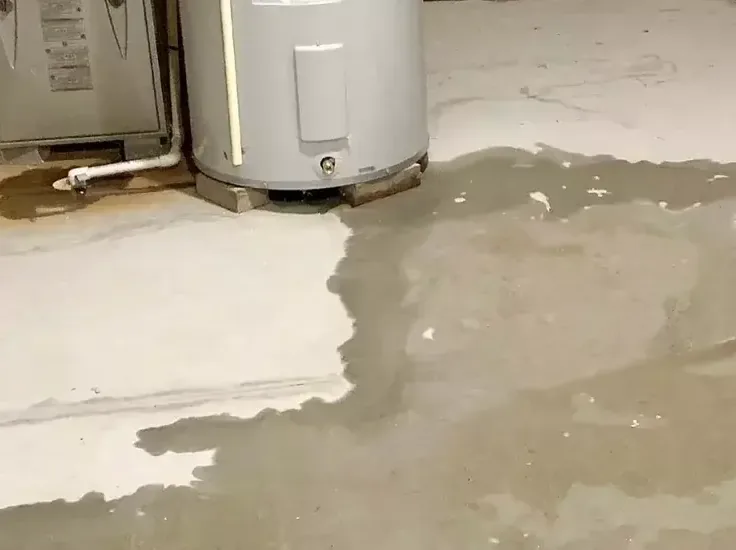
The visible water beside a heater can be the beginning of a larger wet footprint. A release may soak the base of an enclosure, move beneath a threshold or collect behind stored items before it is noticed. The cleanup assessment needs both a safe approach to the equipment and a check of building materials surrounding the appliance after the source is controlled.
First steps for water heater leak cleanup
- Arrange safe source control. Have the heater and its supply assessed safely without touching wet electrical parts or approaching equipment through standing water in the installation area.
- Describe surrounding surfaces. Mention damp trim, wall finishes and adjoining floor coverings as well as the water visible directly beside the appliance when arranging the cleanup assessment.
- Identify stored belongings. Point out boxes, shelving and other items around the heater that contacted water or prevent inspection of the enclosure floor and its edges.
- Coordinate replacement access. Tell the cleanup contact if heater removal is scheduled so exposed surfaces can be inspected before a replacement appliance limits access to the affected area.
How water heater leak cleanup progresses
- 1
Check the installation area
The assessment checks access and source conditions, then identifies water around the heater and adjacent surfaces reached before the release stopped.
- 2
Remove accessible pooling
Water is collected from the exposed floor and reachable edges, with affected contents and obstructive materials assessed so the surrounding enclosure can be examined more completely.
- 3
Treat the wet enclosure
Damaged finishes are evaluated for selective removal, and remaining wall or floor materials receive drying suited to their condition and the access available around the equipment.
- 4
Coordinate the final handoff
Measurements and remaining repair needs are documented so appliance installation and finish restoration can proceed with a clear understanding of which surfaces are ready to be covered.
Keep equipment repair and material recovery connected
For a property around Woodbridge Park, describe where the heater is installed and which nearby surfaces are wet. The heater may need repair or replacement, while flooring and enclosure materials need a separate restoration scope. Coordinating the tasks allows necessary access without leaving water behind a new appliance or closing a damp wall before its condition has been assessed.
Colfax Meadows and Laurel Canyon Boulevard provide useful local references when arranging the visit. The relevant installation details are specific to the property: access width, nearby storage and the surfaces under or beside the heater. Those details help determine how collected water can be removed and which surrounding materials need inspection.
- Keep clear of water around electrical components or other equipment hazards until the heater can be safely assessed and isolated.
- Check the enclosure perimeter and adjoining doorway where a shallow release can migrate into flooring outside the immediate appliance area.
- Identify stored contents that blocked the view of the floor or absorbed water before the release was discovered.
- Explain any planned appliance removal so moisture assessment can include surfaces previously hidden behind or beneath the heater.
Inspect edges that a quick mop misses
A dry center floor does not mean the surrounding assembly has recovered. Water can remain beneath trim, within damaged wall material or under a nearby floor covering. The inspection should use material readings and visible condition to decide what can remain and what needs opening. Removing the old heater may improve access, but that opportunity should be incorporated into the drying plan.
- Assess softened enclosure finishes independently from sound surfaces that can remain exposed during the drying phase of work.
- Look at adjoining floor layers when water crossed a threshold or collected against a raised edge.
- Use water extraction to address pooled liquid before selecting equipment for moisture retained in building materials.
- Keep replacement work coordinated with access requirements so newly installed components do not obstruct the remaining wet area.
Leave the next installer a clear condition record
A complete handoff explains the source correction, affected surfaces and drying results. The heater contractor needs to know whether the installation area is ready, while the finish contractor needs the condition of any retained walls or floors. These decisions should be documented separately from the simple observation that the appliance is no longer leaking.
The cleanup estimate should identify extraction, selective removal and drying. Any equipment replacement or finish restoration outside that scope should be clear before work proceeds around the affected installation.
Discuss the wet materials before repairs
Water near a heater can soak finishes that remain hidden until the appliance is moved. Describe the installation area and adjacent wet surfaces so cleanup can be coordinated with the equipment repair.
(888) 578-6508 Arrange heater enclosure cleanupWhat does water heater leak cleanup cost in Studio City, CA?
Water heater leak cleanup in Studio City depends on enclosure access and how far water moved into adjoining materials. The ranges cover increasing restoration needs, with heater repair or replacement identified separately in the project scope.
Accessible tank-area spill
$800 to $1,500
- Open floor
- Focused extraction
- Simple checks
Wet enclosure and floor
$1,500 to $2,500
- Damp trim
- Wall access
- Material drying
Broader material damage
$2,500 to $3,800
- Adjoining finishes
- Concealed spread
- Expanded removal
The figures describe typical work scopes, not a quote. Water category, affected area, access and the time before drying change the scope. Compare the inputs in the water damage cost calculator.
Documentation for your insurance claim
The restoration contractor records the water source, affected rooms and moisture readings before removal begins. Timestamped photographs show damaged materials and the reason for opening a wall or lifting a floor. Daily temperature, humidity and material readings document progress against a dry comparison area. An itemized scope separates extraction, disposal, cleaning and equipment use from plumbing repairs and finish replacement. The property owner keeps invoices and the initial discovery details with that record. An insurer evaluates coverage under the actual policy; a sudden plumbing release, outside flooding and a sewer backup can receive different treatment. The adjuster decides coverage, and the homeowner checks deductibles, exclusions and any applicable endorsements directly with the insurer.
Daily measurements support the IICRC S500 drying goal. The drying crew compares similar materials and investigates readings that stop improving before equipment leaves.
Water heater leak cleanup in Studio City
Cleanup is available around Studio City properties near Woodbridge Park, Colfax Meadows and Laurel Canyon Boulevard, with heater access and adjacent wet materials assessed from the actual installation layout.
The same service nearby: water heater leak cleanup in Valley Village, North Hollywood, Sherman Oaks.
All water damage services in Studio City · View all service areas
Water Heater Leak Cleanup questions in Studio City, CA
Should the heater be moved before cleanup is arranged?
Moving a heater involves equipment connections and safety considerations. Coordinate that work with the appropriate repair contractor. Cleanup can then be planned around removal access so surfaces behind and beneath the appliance are inspected before a replacement is installed over an unresolved wet area.
Does cleanup include repairing the water heater?
The estimate should state whether appliance work is included or handled separately. Restoration addresses collected water and affected building materials. Source correction may involve a different contractor, so the sequence should be clear enough to prevent a repaired heater from leaving damp enclosure surfaces untreated.
Why inspect a room next to the heater area?
Water can cross a threshold or travel beneath connected flooring before the release is noticed. A neighboring room may therefore need moisture checks even when the visible puddle remains near the appliance. The inspection should follow that spread and explain any additional materials included in the scope.
Can the enclosure be closed once the new heater works?
A functioning heater addresses the equipment problem, while the enclosure may still contain moisture. Wall and floor materials should be checked before finishes are restored. The handoff needs to identify retained dampness and access requirements so replacement equipment does not hide an area still needing drying.
What if only the bottom of stored boxes is wet?
Wet storage items can conceal water at the floor and transfer moisture to contents inside them. Keep affected items separate and describe them during the assessment. Their handling should account for the water condition, contents and safe access around the heater rather than simply wiping the outside dry.
How is the end of drying determined around the heater?
Repeat material measurements and inspection of the enclosure show whether the retained surfaces are ready for repairs. The disappearance of the puddle is only part of recovery. The record should explain what was dried, what was removed and any remaining work before adjacent finishes are replaced.
A clear scope starts with the source
Water near a heater can soak finishes that remain hidden until the appliance is moved. Describe the installation area and adjacent wet surfaces so cleanup can be coordinated with the equipment repair.
(888) 578-6508 Arrange heater enclosure cleanupMake room for a dry installation area
A material assessment explains the extraction, access and drying needed before replacement equipment or repaired finishes conceal the affected surfaces.
(888) 578-6508 Discuss water around the heater