North Hollywood Water Heater Leak Cleanup
Water beside a heater can disappear beneath an enclosure before spreading into the adjoining room. North Hollywood cleanup follows that low route, assessing the floor, nearby wall bases and materials hidden behind the equipment.
(888) 578-6508 Discuss water around the heater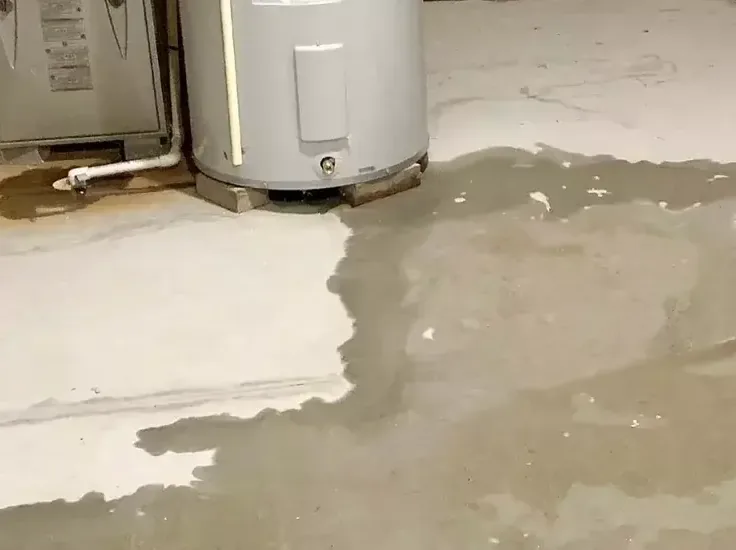
The puddle in front of a water heater may be easier to see than the water behind it. An enclosure wall, raised base or nearby threshold can redirect the release into a hidden edge. North Hollywood water heater cleanup should assess those routes while the contractor responsible for the equipment addresses the leaking source and any controls needed to make the area safe.
First steps for water heater leak cleanup
- Avoid wet equipment controls. Occupants should keep clear of unfamiliar electrical or fuel components and describe visible water from a safe position outside the wet area.
- Arrange source attention. The leaking heater or connected plumbing needs an appropriate repair assessment, with its isolation status communicated to the person arranging water damage cleanup at the property.
- Record adjoining floor changes. Photographs can show where pooling crossed the enclosure edge, reached a threshold or affected nearby belongings before accessible water is removed from the room.
- Explain the enclosure access. The request should identify tight working space, stored contents and any equipment movement already planned so inspection of concealed wet surfaces can be coordinated safely.
How water heater leak cleanup progresses
- 1
Inspect the tank area boundaries
Inspection follows pooling around the enclosure into adjoining floors or walls, noting surfaces hidden behind equipment or belongings.
- 2
Coordinate source work and opening
Heater repair needs are separated from cleanup while the access plan identifies which wet materials can be reached immediately and which require further equipment coordination.
- 3
Remove water and dry the enclosure
Extraction addresses accessible liquid, then the drying arrangement supports retained floor and wall materials with attention to restricted corners and any newly exposed surfaces.
- 4
Document the ready condition
Completion notes record material observations and remaining enclosure repairs, giving the owner a clear handoff for replacement finishes or equipment work that follows the cleanup.
Look beyond the open patch of floor
A tank area spill can affect a small visible surface and a larger concealed assembly. Water may enter a joint at the enclosure base, reach adjoining trim or collect beneath a floor finish. The inspection should account for each boundary around the heater, including portions blocked by the equipment itself. Removal of visible pooling is only the accessible part of that work.
- A drip pan and its surrounding surfaces should be examined for overflow paths into the enclosure or adjoining floor.
- Wall bases need moisture checks where water has remained against trim, penetrations or an enclosed corner behind the heater.
- Stored objects can conceal water and obstruct access, so their condition and movement should be included in the room plan.
- Nearby floor coverings may require checks beneath their edges when the release crossed a threshold before being discovered.
Coordinate equipment work with cleanup access
Laurel Canyon Boulevard and Saticoy Street can help describe the property area during scheduling. The cleanup plan also needs the heater's indoor location and the access available around it. A tight enclosure can limit inspection and equipment placement, especially if the heater must be repaired or moved by the appropriate source contractor before wet surfaces become reachable.
Occupants should avoid adjusting unfamiliar electrical or fuel controls in a wet area. The source contractor can plan the safe repair sequence, while the cleanup scope identifies what remains wet after isolation. Written coordination is useful when an enclosure must stay open or replacement equipment would otherwise cover a floor section that still needs attention.
Dry the enclosure before restoring its finishes
Accessible water removal is followed by an assessment of retained walls and flooring. Structural moisture drying can address those materials after the source is controlled. The equipment layout should support the enclosure without obstructing necessary access, and repeated checks should include the corners that were difficult to inspect at the start.
At completion, records should distinguish heater replacement from cleanup and finish restoration. Photographs of the exposed base or wall edge help explain removal decisions. The owner should understand whether trim, flooring or enclosure surfaces still need repair after the affected assembly reaches the condition required for that next stage.
Discuss the wet materials before repairs
Water around a heater can hide beneath enclosure edges and nearby flooring. Describe the equipment location, current repair status and adjoining wet surfaces so the assessment can follow the full release path.
(888) 578-6508 Assess the heater area spillWhat does water heater leak cleanup cost in North Hollywood, CA?
North Hollywood water heater cleanup estimates depend on enclosure access and water spread beyond the equipment. Removal and drying costs should be listed separately from heater repair, replacement and reconstruction of affected finishes.
Accessible tank-area spill
$800 to $1,500
- Open pooling
- Limited floor contact
- Simple access
Wet enclosure and floor
$1,500 to $2,500
- Enclosure edges
- Adjoining surfaces
- Added drying
Broader material damage
$2,500 to $3,800
- Concealed moisture
- Multiple wet layers
- Expanded access
The figures describe typical work scopes, not a quote. Water category, affected area, access and the time before drying change the scope. Compare the inputs in the water damage cost calculator.
Documentation for your insurance claim
The restoration contractor records the water source, affected rooms and moisture readings before removal begins. Timestamped photographs show damaged materials and the reason for opening a wall or lifting a floor. Daily temperature, humidity and material readings document progress against a dry comparison area. An itemized scope separates extraction, disposal, cleaning and equipment use from plumbing repairs and finish replacement. The property owner keeps invoices and the initial discovery details with that record. An insurer evaluates coverage under the actual policy; a sudden plumbing release, outside flooding and a sewer backup can receive different treatment. The adjuster decides coverage, and the homeowner checks deductibles, exclusions and any applicable endorsements directly with the insurer.
Daily measurements support the IICRC S500 drying goal. The drying crew compares similar materials and investigates readings that stop improving before equipment leaves.
Water heater leak cleanup in North Hollywood
The assessment request should describe the heater location and the rooms bordering its enclosure. Access around a property near Sherman Way matters alongside the available working space beside the equipment.
The same service nearby: water heater leak cleanup in Valley Village, Studio City, Sherman Oaks.
All water damage services in North Hollywood · View all service areas
Water Heater Leak Cleanup questions in North Hollywood, CA
Does replacing the heater resolve the water damage?
Replacement addresses the equipment source, while the escaped water can remain in adjoining materials. The enclosure floor, wall edges and connected room surfaces need assessment. Cleanup should be coordinated with replacement so new equipment does not cover a wet area that still requires access or drying.
Why check behind an apparently dry enclosure wall?
Water can move through a joint at the base and remain inside the wall edge after the open floor dries. Moisture checks help determine whether that concealed space was reached. The proposed scope should explain any opening needed to inspect or dry retained materials behind the finish.
Can stored belongings be moved out immediately?
Dry items outside the wet area can be relocated when the route is safe. Belongings beside wet equipment or controls should wait for an access assessment. Photographs before movement can document affected contents and show where water collected around objects that obscured the original spread.
What if a drip pan caught most of the water?
The surrounding assembly still needs inspection if water escaped or overflowed the pan. Nearby joints, wall bases and floor edges can retain moisture from a limited release. The condition at those boundaries determines cleanup needs, rather than the amount of water visibly left in the pan.
Who should operate the heater controls during a leak?
The appropriate source professional should isolate the equipment safely when equipment controls are unfamiliar or wet. Occupants should avoid reaching electrical or fuel components through water. During the cleanup request, describing the visible conditions and known repair status is more useful than attempting adjustments in an unsafe area.
When can an enclosure be closed again?
The retained floor and wall materials should reach suitable conditions for the planned repair, and the source should be corrected. Completion notes can show the inspected locations and remaining work. Any replacement trim, wall finish or equipment arrangement should preserve access until those conditions are addressed.
A clear scope starts with the source
Water around a heater can hide beneath enclosure edges and nearby flooring. Describe the equipment location, current repair status and adjoining wet surfaces so the assessment can follow the full release path.
(888) 578-6508 Assess the heater area spillRecover the materials around the equipment
Cleanup planning connects accessible water removal with the corners, floor layers and wall bases that remain wet after source correction.
(888) 578-6508 Discuss enclosure water damage