Slab Leak Water Damage in Studio City
A damp floor can conceal a larger wet assembly beneath it. Slab leak cleanup in Studio City connects source repair with moisture mapping, selective access and drying of affected materials.
(888) 578-6508 Discuss moisture below the flooring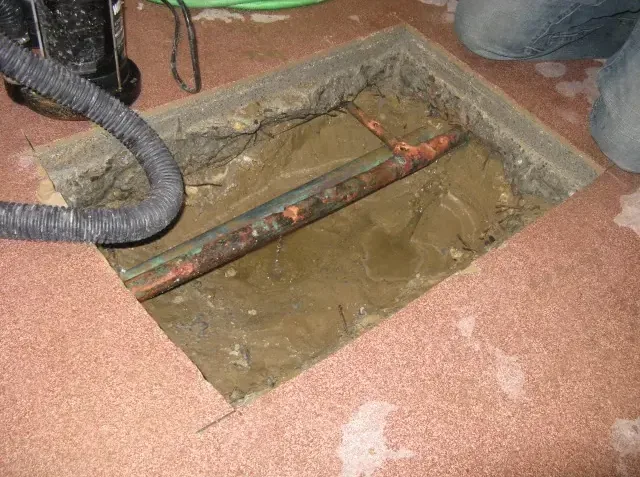
A soft floor edge or damp joint deserves attention even when no water is visible above the finish. With a suspected slab leak, the first question is where the plumbing release is occurring. The next is how water has affected the materials above and beside it. Those questions connect the repair contractor's access needs with the cleanup and drying scope.
First steps for slab leak water damage
- Describe the symptoms. Note damp seams, changed floor texture or recurring moisture, and identify the rooms where those changes appeared before arranging an assessment.
- Coordinate source isolation. Have the suspected supply issue evaluated and the water stopped safely so cleanup is not competing with a continuing release below the floor.
- Preserve affected finishes. Avoid covering the wet area with new flooring or coatings before the condition of the layers beneath has been checked.
- Identify access constraints. Mention cabinetry, fixed furnishings and adjoining rooms that may affect pipe repair access or inspection of the larger wet floor assembly.
How slab leak water damage progresses
- 1
Map flooring conditions
The inspection records surface symptoms and moisture patterns across the affected assembly, including nearby wall bases and transitions where water may have traveled beneath finishes.
- 2
Align the repair work
Plumbing access and cleanup needs are coordinated so the source can be repaired while damaged or obstructive flooring layers are identified for selective removal.
- 3
Dry accessible materials
Once the release is controlled, the remaining concrete and surrounding materials receive a drying plan suited to their exposure, condition and ability to release moisture.
- 4
Assess installation readiness
Repeat measurements and substrate checks inform the handoff to repair work, with remaining concerns documented before floor coverings or other finishes conceal the treated assembly again.
Separate the pipe opening from the wet area
The opening used to repair a pipe can be smaller than the area needing moisture assessment. Water may spread through underlayment or reach the lower portion of a nearby partition. In Silver Triangle, describing the rooms involved is more useful than assuming the visible floor mark identifies the entire loss. Readings should extend across adjoining finishes and relevant transitions to define the actual affected assembly.
Local housing includes mid-century modern, Spanish revival and storybook Tudor homes. The floor at the particular property determines how it can be opened and dried. An assessment near Moorpark Street should identify the finish, backing and concrete conditions before selecting a removal approach or committing to replacement materials.
- Document where dampness is visible and compare nearby floor areas before treating a small stain as the complete wet boundary.
- Coordinate the plumbing repair opening with material removal so necessary access does not leave adjacent wet layers enclosed.
- Evaluate detached adhesive, swollen trim and damaged underlayment individually when deciding which parts of the assembly can be retained.
- Keep replacement flooring out of the work area until the substrate condition and drying requirements have been explained.
Expose only what the assessment requires
Selective removal should have a clear purpose: repairing the source, reaching trapped water or removing material that cannot remain. More demolition is not automatically a better drying strategy. Conversely, leaving an impermeable finish over a wet layer can prevent useful progress. The proposed scope should explain how each access point supports the repair and how retained surfaces will be measured during drying.
- Check the base of neighboring walls when water has traveled to the room perimeter beneath the floor finish.
- Distinguish the condition of decorative flooring from the moisture held within the concrete and any intermediate layers.
- Record material changes discovered during access so the owner can understand adjustments to the cleanup and drying plan.
- Use structural drying where exposed building materials need controlled moisture removal after the plumbing repair is completed.
Prepare the substrate for its next finish
A property in Colfax Meadows may need only a focused opening or a broader floor assessment, depending on the release. The final decision should follow the measurements and material condition. Closing the repair opening and installing a new finish are separate steps, and each needs a substrate that is ready for the intended work.
The project record should connect the pipe repair, affected floor layers and drying endpoint. That makes the handoff to finish installation practical and reduces confusion about what the cleanup scope included.
Discuss the wet materials before repairs
Damp floor seams deserve a plan that reaches the layers below them. Describe the suspected leak, visible changes and any planned plumbing access so the cleanup assessment can connect source repair with drying.
(888) 578-6508 Discuss the affected floor layersWhat does slab leak water damage cost in Studio City, CA?
Slab leak water damage work in Studio City depends on repair access and the floor layers affected. These ranges describe cleanup and drying complexity, while plumbing repairs and replacement finishes should be identified separately in the estimate.
Limited floor opening
$1,500 to $2,700
- Focused access
- Small footprint
- Exposed materials
Several affected layers
$2,700 to $4,300
- Layered flooring
- Wider assessment
- Selective removal
Extensive trapped moisture
$4,300 to $6,000
- Concealed spread
- Complex access
- Broader drying
The figures describe typical work scopes, not a quote. Water category, affected area, access and the time before drying change the scope. Compare the inputs in the water damage cost calculator.
Documentation for your insurance claim
The restoration contractor records the water source, affected rooms and moisture readings before removal begins. Timestamped photographs show damaged materials and the reason for opening a wall or lifting a floor. Daily temperature, humidity and material readings document progress against a dry comparison area. An itemized scope separates extraction, disposal, cleaning and equipment use from plumbing repairs and finish replacement. The property owner keeps invoices and the initial discovery details with that record. An insurer evaluates coverage under the actual policy; a sudden plumbing release, outside flooding and a sewer backup can receive different treatment. The adjuster decides coverage, and the homeowner checks deductibles, exclusions and any applicable endorsements directly with the insurer.
Daily measurements support the IICRC S500 drying goal. The drying crew compares similar materials and investigates readings that stop improving before equipment leaves.
Slab leak water damage in Studio City
Studio City service includes properties in Silver Triangle and Colfax Meadows and around Moorpark Street, with slab related work assessed from the construction actually present at the property.
The same service nearby: slab leak water damage in Valley Village, North Hollywood, Sherman Oaks.
All water damage services in Studio City · View all service areas
Slab Leak Water Damage questions in Studio City, CA
Does a damp floor always identify a slab leak?
Dampness can have several causes, including plumbing above the floor or water entering from elsewhere. The source needs evaluation before the work is labeled a slab leak. Cleanup follows the actual wet materials once the origin and affected assembly have been assessed.
Will the entire floor need to be removed?
The removal decision depends on the extent of moisture, the floor construction and material damage. A focused opening may provide useful access in some assemblies, while other layers obstruct drying or cannot be retained. The scope should explain the reason for each proposed removal.
Can concrete remain wet after the pipe is repaired?
Concrete and materials above it can retain moisture after the source stops. The repair eliminates incoming water, while drying addresses moisture already held in the assembly. Repeat checks help determine whether conditions are suitable for the intended floor finish before installation work begins.
What happens to cabinets beside the wet area?
Cabinet bases and adjacent trim need inspection when water reaches them. Some components can be exposed for drying, while swollen or separated parts may require removal. The assessment should distinguish damage to the cabinet itself from moisture beneath it or behind its lower panels.
Are source repairs included in the cleanup estimate?
The written estimate should identify whether plumbing work is included or handled separately. Source repair, extraction, material removal and finish replacement are different tasks. Clarifying those responsibilities helps coordinate access and prevents assumptions about what will happen once the drying phase has ended.
Why delay a new floor when the surface feels dry?
A surface can feel dry while moisture remains within the substrate or beneath retained layers. New flooring can enclose that moisture. The installation decision should reflect the material requirements and measured condition of the assembly, with unresolved areas identified before the finish is installed.
A clear scope starts with the source
Damp floor seams deserve a plan that reaches the layers below them. Describe the suspected leak, visible changes and any planned plumbing access so the cleanup assessment can connect source repair with drying.
(888) 578-6508 Discuss the affected floor layersGive concealed floor moisture a clear next step
An inspection can define the wet boundary and explain which materials need access before repair work proceeds.
(888) 578-6508 Arrange a slab damage assessment