North Hollywood Slab Leak Water Damage
A damp patch over concrete can be the visible end of a hidden water path. Slab leak cleanup in North Hollywood connects source repair with assessment of the floor layers above it.
(888) 578-6508 Discuss moisture above concrete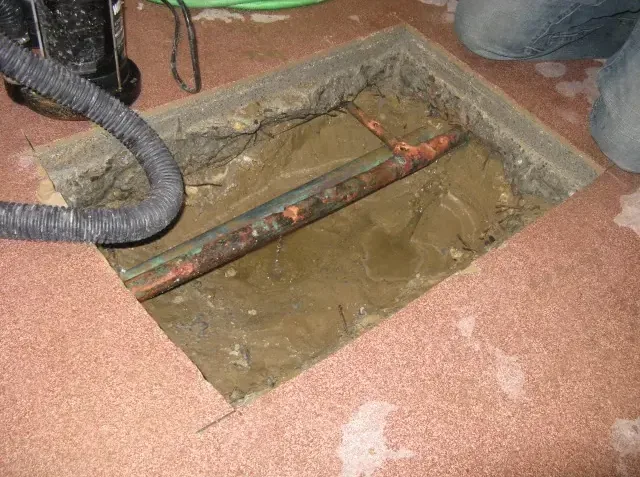
A floor finish can hide water spreading across concrete beneath it. For a North Hollywood property with a suspected slab leak, the cleanup question is therefore broader than the visible stain: where has moisture collected, and which layers prevent it from escaping? Plumbing investigation pinpoints the leak location while the damage assessment follows the affected floor and adjacent wall bases.
First steps for slab leak water damage
- Note the visible change. Photographs can capture staining, lifting edges or damp joints before finishes are moved, helping document where the hidden water first became apparent.
- Arrange source investigation. The suspected plumbing leak needs assessment and repair; the cleanup request should explain whether the release is continuing or has already been isolated.
- Limit floor disturbance. Occupants should avoid pulling up fixed finishes without an access plan, especially where damaged materials could expose sharp edges or nearby electrical components.
- Prepare room information. Details about furniture, cabinetry and the floor covering help plan how the affected area can be reached without blocking necessary passage through the property.
How slab leak water damage progresses
- 1
Connect the observations
Visible finish damage, moisture findings and the plumbing investigation are considered together to assess the likely extent of water within the floor assembly.
- 2
Choose useful access points
The proposed openings follow affected layers and practical room access, with the reason for material removal explained before additional portions of the floor are disturbed.
- 3
Dry retained floor materials
The drying arrangement supports moisture release from exposed surfaces while checks track concrete, adjoining wall bases and any retained flooring included in the agreed scope.
- 4
Record readiness and remaining repairs
Completion notes describe the measured condition and distinguish cleanup from concrete closure, plumbing reinstatement and installation requirements for the selected replacement floor finish.
Separate locating the leak from drying its damage
Repairing the pipe stops the ongoing release. It does not remove moisture already absorbed by an underlay, adhesive or base plate. The cleanup scope should connect those tasks without confusing them. If plumbing access has opened the floor, the exposed area can help show what is wet, but inspection may need to extend beyond that opening.
- Changes in a floor finish should be documented alongside the location of any plumbing access or visible dampness.
- Wall bases adjoining the floor may require checks when water has moved beneath trim or into an enclosed edge.
- Floor coverings are assessed as assemblies, including backing and adhesive that can restrict the movement of trapped moisture.
- Removal decisions should identify why access is needed and which materials are expected to remain during the drying work.
Plan access around the actual occupied room
A cleanup request can use Sherman Way or Laurel Canyon Boulevard to describe the property area. The indoor plan needs more specific information: whether the wet floor is beneath fixed cabinetry, beside a doorway or under furniture that must be moved. These details influence equipment placement and the amount of opening needed to reach the affected layers safely.
Selective access should follow moisture findings. Opening an entire room without understanding the spread can create unnecessary repair work, while leaving a sealed wet layer untouched can delay progress. The technician should explain the proposed boundary and record any additional material involvement discovered as access improves. The owner then has a clear basis for authorizing changes.
Prepare the assembly for replacement finishes
Concrete and the materials above it can release moisture at different rates. A dry looking upper surface is not enough to confirm readiness for a replacement floor. Measurements should address the actual assembly and the requirements of the finish being installed. The hardwood recovery page covers additional considerations when wood flooring is affected.
- Track the locations measured so later observations can be compared with the same portions of the floor assembly.
- Keep planned equipment access clear while retained materials release moisture after the pipe repair has been completed.
- Identify separate responsibilities for concrete patching, floor installation and any wall repairs remaining after the cleanup scope ends.
- Retain photographs of exposed layers before closure so the owner has a useful record of the concealed damage.
Discuss the wet materials before repairs
A damp floor above concrete deserves a plan that connects the repaired source with the materials left wet. Describe the finish, visible changes and plumbing findings when arranging a damage assessment.
(888) 578-6508 Discuss concealed floor moistureWhat does slab leak water damage cost in North Hollywood, CA?
North Hollywood slab leak damage pricing reflects access through the floor, the number of affected layers and the extent of trapped moisture. Plumbing leak detection and pipe repair should be clearly separated from the cleanup estimate.
Limited floor opening
$1,500 to $2,700
- Focused access
- Small wet footprint
- Exposed concrete
Several affected layers
$2,700 to $4,300
- Finish removal
- Backing assessment
- Wall edge checks
Extensive trapped moisture
$4,300 to $6,000
- Broader access needs
- Dense wet materials
- Expanded drying arrangement
The figures describe typical work scopes, not a quote. Water category, affected area, access and the time before drying change the scope. Compare the inputs in the water damage cost calculator.
Documentation for your insurance claim
The restoration contractor records the water source, affected rooms and moisture readings before removal begins. Timestamped photographs show damaged materials and the reason for opening a wall or lifting a floor. Daily temperature, humidity and material readings document progress against a dry comparison area. An itemized scope separates extraction, disposal, cleaning and equipment use from plumbing repairs and finish replacement. The property owner keeps invoices and the initial discovery details with that record. An insurer evaluates coverage under the actual policy; a sudden plumbing release, outside flooding and a sewer backup can receive different treatment. The adjuster decides coverage, and the homeowner checks deductibles, exclusions and any applicable endorsements directly with the insurer.
Daily measurements support the IICRC S500 drying goal. The drying crew compares similar materials and investigates readings that stop improving before equipment leaves.
Slab leak water damage in North Hollywood
For a property near Vineland Avenue, the useful assessment details include the damp area's location, floor covering and any completed plumbing investigation that explains the suspected source.
The same service nearby: slab leak water damage in Valley Village, Studio City, Sherman Oaks.
All water damage services in North Hollywood · View all service areas
Slab Leak Water Damage questions in North Hollywood, CA
Does a damp floor always identify a slab leak?
Dampness needs investigation before the source is assigned. Water may reach a floor through several routes, and the plumbing assessment should determine whether a concealed pipe is involved. Cleanup planning can document affected materials while the source is being located and brought under control.
Can the floor stay in place during drying?
That depends on the finish, its condition and whether moisture can leave the assembly effectively. Sealed layers can obstruct drying beneath them. The proposed scope should explain which materials can remain and why a specific opening or removal boundary is necessary for access.
Is the plumbing opening the whole damaged area?
Water can travel beyond the spot opened for a pipe repair. The surrounding floor and adjacent wall bases therefore need assessment. Moisture findings determine the cleanup boundary, which may differ from the smaller opening needed by the plumber to reach the leaking section.
Why might concrete need continued moisture checks?
Concrete can retain moisture after accessible water has been removed. Repeated checks help track progress and support planning for replacement finishes. The condition required for the selected flooring should be addressed before installation, especially where an adhesive or sealed surface will limit later moisture release.
Who handles the final floor reconstruction?
The written scope should name the responsibilities for cleanup and later repairs. Concrete patching, floor installation and trim replacement may be separate work. The owner benefits from a completion record that shows the exposed condition and identifies what still needs attention before the room returns to use.
What should an owner keep for documentation?
Useful records include the source investigation, photographs before and after opening, material readings and the authorized cleanup estimate. Notes explaining added access are helpful when the extent changes. Together, those records connect the original floor symptoms with the work performed on concealed layers.
A clear scope starts with the source
A damp floor above concrete deserves a plan that connects the repaired source with the materials left wet. Describe the finish, visible changes and plumbing findings when arranging a damage assessment.
(888) 578-6508 Discuss concealed floor moistureMake the floor assembly accessible
Moisture checks and purposeful openings identify the remaining work for retained concrete, adjoining walls and replacement finishes.
(888) 578-6508 Arrange the slab damage assessment