Slab Leak Water Damage in Sherman Oaks
A damp floor without an obvious spill needs investigation below the finish. Slab leak cleanup in Sherman Oaks connects pipe repair findings with a drying plan for the affected assembly.
(888) 578-6508 Discuss moisture beneath the floor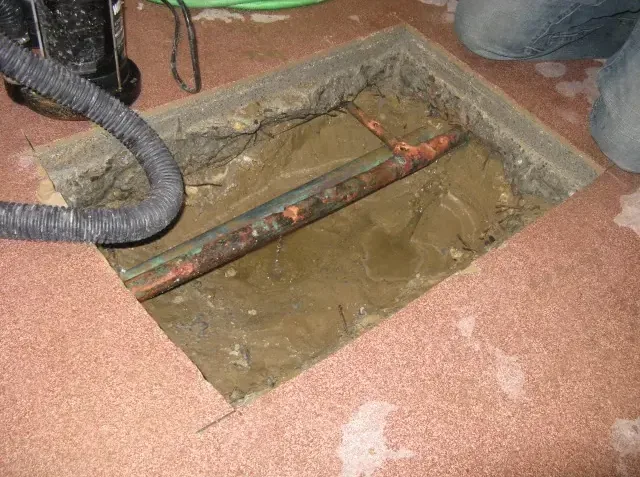
A warm patch, darkened joint or persistent damp edge can raise concern about water beneath the floor. The first useful distinction is between a plumbing source and another route into the assembly. Sherman Oaks slab leak restoration begins with that diagnosis and a map of the affected material, rather than opening the floor wherever the first symptom appeared.
First steps for slab leak water damage
- Record the first symptom. Photograph the visible floor change and note whether nearby trim, cabinets or adjoining rooms show similar dampness without disturbing the covering.
- Arrange source diagnosis. A plumbing assessment should identify the leaking component and safe repair access before restoration closes or replaces the affected floor layers.
- Protect movable contents. Keep dry rugs and belongings away from damp sections while leaving a clear route for inspection and necessary equipment movement.
- Avoid premature covering. Do not hide the damp area under another rug or new flooring while the source and retained material condition remain unresolved.
How slab leak water damage progresses
- 1
Identify construction and spread
The inspection identifies the floor layers, takes initial moisture readings and compares the visible symptoms with the plumbing findings for the affected area.
- 2
Coordinate selective access
Required openings are planned around pipe repair and wet material removal, reducing avoidable disruption while giving the drying process access to concealed moisture.
- 3
Monitor the retained assembly
Exposed concrete and adjoining absorbent materials are checked during drying, with adjustments based on readings rather than the changing appearance of the floor.
- 4
Document readiness for installation
The final record identifies tested surfaces, remaining replacement work and the requirements that must be satisfied before the chosen finish is installed over the slab.
Connect the pipe findings with the floor plan
Chandler Estates and Magnolia Woods provide location context for the inspection, but the building itself determines the work. The assessor identifies whether the affected assembly includes a concrete slab, how the finish is attached and which pipe repair areas need access. Information from the plumbing investigation helps prevent restoration work from covering an unresolved source.
A leak can affect the adhesive, underlayment and lower wall edges as well as the visible floor. Different materials may show different moisture patterns. The wettest surface reading should be considered alongside the pipe findings and the direction of spread, especially where cabinets or built in fixtures conceal part of the assembly.
- Map changes across floor transitions so a damp patch does not become the assumed boundary of all affected material.
- Separate the plumbing access opening from any additional removal needed to expose wet coverings or deteriorated adhesive underneath.
- Protect usable flooring during investigation, keeping removed pieces identified when they may help match the later repair work.
- Check adjacent wall bottoms where moisture can move from the floor assembly into trim or other absorbent finishes.
Give retained concrete a measurable drying target
At a property near Moorpark Street, the restoration decision should account for the finish intended to return. Concrete that feels dry at the surface may still release moisture into a new covering. The drying assessment needs suitable measurements and the installation requirements for the replacement material, with results recorded before work closes the exposed area.
Hardwood floor assessment may be relevant when wood has distorted above the leak. The condition of the boards and the layer beneath them should be evaluated together before deciding what can stay.
Keep the restoration and repair records connected
The owner should receive a clear account of the source work, material openings and remaining moisture. That record helps the flooring contractor understand why a section was removed and which surfaces still require attention. Finishing over damp material can undermine the repair even when the original pipe has been fixed.
A useful handoff identifies areas tested, access limitations and any unresolved finish replacement decisions. It should make the next step understandable without relying on the disappearance of the original stain.
Discuss the wet materials before repairs
Explain where the floor changed, which coverings are present and whether a plumber has located the leak. A coordinated assessment can connect those findings with the openings and drying needed before the room is rebuilt.
(888) 578-6508 Discuss slab and finish damageWhat does slab leak water damage cost in Sherman Oaks, CA?
Slab leak water damage cleanup in Sherman Oaks depends on the floor layers, moisture spread and required openings. The ranges below describe restoration scopes; pipe diagnosis, pipe repair and replacement finishes should be identified separately in the estimate.
Limited floor opening
$1,500 to $2,700
- Focused material access
- Localized dampness
- Simple surrounding finishes
Several affected layers
$2,700 to $4,300
- Covering and adhesive
- Adjacent trim assessment
- Expanded drying access
Extensive trapped moisture
$4,300 to $6,000
- Broader floor exposure
- Dense material drying
- Complex restoration handoff
The figures describe typical work scopes, not a quote. Water category, affected area, access and the time before drying change the scope. Compare the inputs in the water damage cost calculator.
Documentation for your insurance claim
The restoration contractor records the water source, affected rooms and moisture readings before removal begins. Timestamped photographs show damaged materials and the reason for opening a wall or lifting a floor. Daily temperature, humidity and material readings document progress against a dry comparison area. An itemized scope separates extraction, disposal, cleaning and equipment use from plumbing repairs and finish replacement. The property owner keeps invoices and the initial discovery details with that record. An insurer evaluates coverage under the actual policy; a sudden plumbing release, outside flooding and a sewer backup can receive different treatment. The adjuster decides coverage, and the homeowner checks deductibles, exclusions and any applicable endorsements directly with the insurer.
Daily measurements support the IICRC S500 drying goal. The drying crew compares similar materials and investigates readings that stop improving before equipment leaves.
Slab leak water damage in Sherman Oaks
Assessments include Chandler Estates, Magnolia Woods and properties near Moorpark Street, with the foundation, floor covering and accessible pipe route examined individually before a restoration scope is prepared.
The same service nearby: slab leak water damage in Valley Village, Encino, Studio City.
All water damage services in Sherman Oaks · View all service areas
Slab Leak Water Damage questions in Sherman Oaks, CA
Does a damp slab always mean a broken pipe?
A damp floor needs source investigation because water can reach an assembly through several routes. Plumbing findings, moisture patterns and the building arrangement help identify the cause. Restoration should follow that diagnosis so the exposed floor is not repaired while entry continues.
Can the existing floor covering remain in place?
Some coverings may remain if their condition and attachment permit effective drying. Others trap moisture or have already deteriorated. The decision considers the complete assembly, including adhesives and underlayment, together with the water condition and the access needed for pipe work.
Why check walls beside the damaged floor?
Water held at the floor edge can wet trim and the bottom of a wall. Those materials may remain damp even after the center of the room improves. Checking them helps define the actual restoration boundary and avoids concealing moisture behind replacement skirting.
Is plumbing repair part of the drying estimate?
The written scope should state that clearly. Locating and repairing the failed pipe is a source task, while extraction, material removal and drying address the resulting damage. Keeping the responsibilities visible helps coordinate openings and prevents work from being counted or assumed twice.
Can new flooring be installed once concrete looks dry?
Appearance alone is not an installation test. The intended covering may have specific moisture requirements, and the retained slab needs suitable assessment before installation. Completion notes should connect the test results with the surfaces that will receive the repaired or replacement floor.
What information should pass to the flooring contractor?
The handoff should identify the source repair status, opened areas, retained materials and moisture measurements. It should also describe any remaining damaged adhesive or underlayment. These details help the next trade plan preparation instead of treating the exposed concrete as automatically ready.
A clear scope starts with the source
Explain where the floor changed, which coverings are present and whether a plumber has located the leak. A coordinated assessment can connect those findings with the openings and drying needed before the room is rebuilt.
(888) 578-6508 Discuss slab and finish damagePrepare the floor for a lasting repair
The next stage needs a repaired source, accessible wet layers and a documented condition for the retained assembly.
(888) 578-6508 Arrange a below floor assessment