Burst Pipe Water Damage in Hollywood
Stopping a broken pipe does not remove the water already inside the building. Hollywood burst pipe cleanup traces that release through adjoining rooms, floor layers and wall cavities before the repair area closes.
(888) 578-6508 Arrange a pipe damage assessment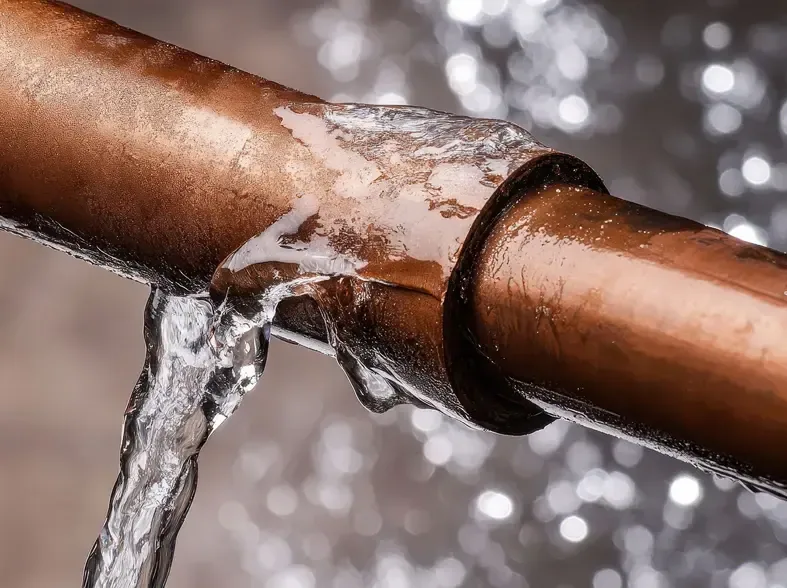
A broken pipe can release water behind a wall before anyone sees it at floor level. The first wet room may be the exit point rather than the full extent of the damage. Once the supply is controlled, the inspection needs to follow the route through the building, including spaces above or beside the obvious loss and materials hidden by intact finishes.
First steps for burst pipe water damage
- Reach a safe shutoff. Stop the supply from a dry position when possible. Avoid entering pooled water to reach a valve near electrical equipment or damaged surfaces.
- Arrange pipe repair. Tell the plumber where the release appeared and which shutoff was used, then coordinate access with the owner or manager responsible for the building.
- Describe the water path. Note wet walls, ceiling marks and adjoining rooms so the restoration assessment can follow the release beyond the location of the broken connection.
- Protect dry belongings. Move unaffected items away from the work route when this can be done safely, leaving saturated materials for assessment before disposal or relocation.
How burst pipe water damage progresses
- 1
Locate the affected assemblies
The survey maps the release across room boundaries and checks wall, ceiling and floor materials that may hold moisture beyond the visible pipe repair.
- 2
Remove liquid and saturated obstructions
Extraction clears the standing water while selective removal provides access to wet layers that block cleaning or drying of the structure remaining in place.
- 3
Track cavity and floor drying
Equipment is arranged around the exposed materials, and repeat readings identify sections that need a changed airflow path, additional access or continued moisture management.
- 4
Coordinate closure after assessment
The final record describes the condition of retained assemblies and separates completed mitigation from plumbing, patching and decorative repairs still needed to restore the space.
Connect the plumbing repair to the wet boundary
The January 27, 2022 incident on Cahuenga Boulevard involved a public water main and flooded streets and garages. Inside a property, a private pipe break has a different source control task: locate the damaged supply component and arrange its repair. Restoration then addresses the released water, whether it is pooled in a room or held inside a wall assembly.
At a Franklin Village property, an occupant can help by describing where the noise or first drip began. A Whitley Heights owner may also need to coordinate work affecting protected architectural details. In either setting, the inspection records the actual construction so the planned access reaches the wet materials while preserving usable surrounding finishes wherever practical.
- A wet baseboard can mark the route out of a cavity rather than the location of the pipe failure.
- Water flowing under a doorway may soak an adjoining room before the first room develops a deep puddle.
- Insulation inside an affected wall can hold liquid after the repaired pipe has stopped releasing water into the cavity.
- Electrical fittings in the release path require safe assessment before equipment or occupants enter the wet work area.
Prioritize extraction and controlled material access
Accessible liquid should be collected once entry is safe. The next decision is whether wet layers can dry in place or need selective removal. Saturated coverings and trapped pockets can restrict airflow to the structure beneath them. Opening the right area supports drying; opening broadly without a moisture map can add unnecessary repair work to an already disruptive incident.
- Identify the shutoff used and the plumbing work completed so everyone understands whether the source is controlled.
- Photograph the original wet area before moving contents or removing damaged trim and wall finishes.
- Arrange access to rooms sharing the affected wall or floor when the inspection indicates possible moisture migration.
- Keep dry storage away from the removal route and leave space for equipment and repeated material checks.
Do not let a completed pipe repair hide moisture
The repaired connection and the surrounding building dry on different schedules. Structural drying uses material readings to track the retained assembly before patches and finish work conceal it. The owner should receive a record of affected spaces, removed layers and remaining repairs, including any work outside the immediate plumbing opening.
That sequence makes the handoff clearer: source repair stops the release, cleanup removes its effects, and finish repairs follow the assessed condition of the retained materials.
Discuss the wet materials before repairs
A repaired supply connection can leave wet materials out of sight. Describe where the release started and the rooms showing damage to arrange a scope that follows the water through the building.
(888) 578-6508 Discuss the pipe release footprintWhat does burst pipe water damage cost in Hollywood, CA?
Burst pipe cleanup in Hollywood is priced around the release footprint, concealed moisture and material access. These ranges cover increasing damage scope; plumbing repairs and the cost of replacement finishes should be stated separately.
Single-room release
$1,200 to $2,200
- Localized water collection
- Nearby material checks
- Focused drying equipment
Cavity and floor damage
$2,200 to $3,800
- Selective wall access
- Wet floor layers
- Multiple material readings
Several rooms or levels
$3,800 to $5,500
- Extended release path
- Coordinated interior access
- Broader drying arrangement
The figures describe typical work scopes, not a quote. Water category, affected area, access and the time before drying change the scope. Compare the inputs in the water damage cost calculator.
Documentation for your insurance claim
The restoration contractor records the water source, affected rooms and moisture readings before removal begins. Timestamped photographs show damaged materials and the reason for opening a wall or lifting a floor. Daily temperature, humidity and material readings document progress against a dry comparison area. An itemized scope separates extraction, disposal, cleaning and equipment use from plumbing repairs and finish replacement. The property owner keeps invoices and the initial discovery details with that record. An insurer evaluates coverage under the actual policy; a sudden plumbing release, outside flooding and a sewer backup can receive different treatment. The adjuster decides coverage, and the homeowner checks deductibles, exclusions and any applicable endorsements directly with the insurer.
Daily measurements support the IICRC S500 drying goal. The drying crew compares similar materials and investigates readings that stop improving before equipment leaves.
Burst pipe water damage in Hollywood
Properties around Franklin Village, Whitley Heights and Western Avenue can arrange Hollywood pipe damage assessments, with entry to adjoining rooms coordinated through the owner or property manager.
The same service nearby: burst pipe water damage in Valley Village, Studio City, North Hollywood.
All water damage services in Hollywood · View all service areas
Burst Pipe Water Damage questions in Hollywood, CA
Is the cleanup finished when the pipe is repaired?
Repairing the pipe controls new water, but released water can remain inside floors, walls and insulation. The affected materials need their own assessment. Extraction, selective removal and drying address that damage before the repair opening and other wet assemblies are closed with new finishes.
Should every room beside the leak be checked?
The inspection follows the observed water path and construction. Adjoining rooms can be affected beneath a threshold or through a shared cavity even when their surfaces look normal. Moisture measurements help determine which areas belong in the scope instead of relying only on visible stains.
Can intact wall paint conceal pipe leak damage?
Yes. Moisture can sit behind paint or within insulation before a clear surface change develops. Inspection methods depend on the wall assembly and access. Where trapped moisture cannot be reached effectively, selective opening may be needed to assess and dry the materials behind the finish.
What should an occupant report to the building owner?
Report the first visible water, the apparent source and whether the supply has been stopped. Include affected rooms, ceiling changes and any electrical concerns. The owner can arrange plumbing work and access to connected spaces while the cleanup assessment measures the extent of material damage.
Will a burst pipe require replacement of all flooring?
Floor decisions depend on exposure, construction and damage. Some sections can remain through drying, while other layers may have separated, swollen or trapped moisture underneath. The estimate should explain the proposed removal and the measurements used to judge retained materials before flooring repairs begin.
What record helps coordinate the final repairs?
A useful handoff includes source repair details, photographs of the opened area, the mapped wet boundary and drying measurements. It should also identify removed finishes and any outstanding work. This helps the owner schedule patching and replacement without losing track of adjacent materials affected by the release.
A clear scope starts with the source
A repaired supply connection can leave wet materials out of sight. Describe where the release started and the rooms showing damage to arrange a scope that follows the water through the building.
(888) 578-6508 Discuss the pipe release footprintPlan beyond the repaired connection
The assessment links extraction, cavity access and material readings with the remaining repairs needed at the affected property.
(888) 578-6508 Arrange the post leak assessment