Water Extraction in Hollywood
Water covering a room hides the condition of the floor beneath it. Extraction in Hollywood begins with safe access and removal, then follows the moisture left along walls and underneath finishes.
(888) 578-6508 Arrange removal from the room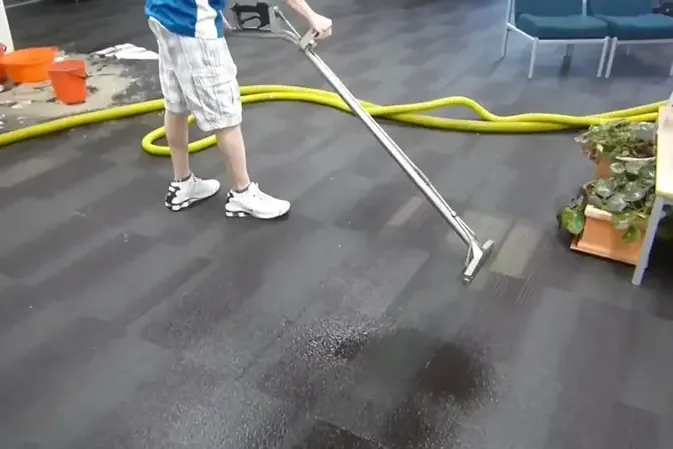
The depth of a puddle is only part of an extraction job. Water can spread beneath furniture, enter flooring joints and collect where the room meets a wall. A removal plan needs a safe equipment route and a place to separate affected belongings before the floor can be assessed properly. The source also needs attention so the space does not keep filling.
First steps for water extraction
- Avoid the flooded route. Stay outside water that reaches electrical equipment or conceals the floor condition. Arrange a safe entrance before moving belongings or attempting removal.
- Control further entry. An accessible shutoff can stop a private supply release. Outdoor entry or a failed drain needs its own source control assessment before extraction proceeds.
- Identify wet contents. Point out floor level storage, rugs and furniture that were in contact with water so their condition can be included in the work.
- Arrange building access. Provide access to adjacent rooms and storage areas where water may have traveled beyond the space that first drew attention.
How water extraction progresses
- 1
Survey the liquid and surfaces
The assessment identifies the source, water condition, accessible depth and floor materials, then specifies the equipment route and any areas that must remain restricted.
- 2
Collect the standing water
Suitable extraction equipment removes pooled liquid while attention shifts to perimeter edges, recesses and affected contents that prevent access to the underlying floor.
- 3
Examine the remaining layers
Moisture checks locate damp material beneath coverings and at wall bases, indicating whether cleaning, removal or controlled drying is appropriate for each affected assembly.
- 4
Set the next drying stage
The work record describes removal completed and materials still wet, allowing the drying setup and any source repair coordination to follow a clear scope.
A garage flood leaves several different tasks
The January 27, 2022 water main break on Cahuenga Boulevard flooded streets and garages. A garage receiving outdoor water needs more than an open path for a pump. Storage containers, absorbent boxes and wall bases can retain water after the center of the floor clears. Their condition determines what needs moving, cleaning or removal before drying equipment is positioned.
For a property in Franklin Village, the intake discussion can describe the entrance, the affected level and any locked interior doors. In Little Armenia, an owner or manager can arrange access to adjoining rooms when the wet boundary crosses a shared wall. These details let the assessment follow the water instead of stopping at the first visible pool.
- Water beneath a cabinet toe kick can remain hidden while the exposed walking surface begins to appear dry.
- Carpet and its cushion need separate attention because liquid can remain below a surface extraction pass.
- Furniture feet and stored cardboard can transfer moisture or discoloration to a floor during prolonged contact.
- Electrical components close to the wet area require a safe approach before extraction equipment enters the space.
Choose removal methods for the actual surface
An open hard floor, a carpeted room and a confined storage area present different access problems. Equipment selection follows water depth, debris and the material beneath the liquid. The operator can then check edges and recesses that a broad removal pass might miss. If wastewater is involved, controlled handling and cleaning must be part of the scope from the beginning.
- Record the original water boundary with photographs before moving contents or lifting any affected floor covering.
- Identify places where liquid has crossed a threshold and inspect the materials on its other side.
- Separate wet belongings from dry storage so the usable area does not become part of the loss.
- Keep the equipment route accessible while leaving safe passage through unaffected sections of the building.
Extraction creates access for the drying work
Once standing water is removed, moisture measurements show what the building still holds. Wet trim or floor coverings may need selective access so the assembly underneath can dry. The structural drying service addresses that stage, with equipment adjustments tied to material readings rather than the appearance of the room.
The written scope should distinguish extraction from cleaning, material disposal and finish repairs. That separation helps the owner understand what has been completed and what remains before the room returns to normal use.
Discuss the wet materials before repairs
Water spread across a room can conceal wet edges and saturated belongings. Describe the visible pool, the source and access conditions to arrange an extraction assessment for the affected building.
(888) 578-6508 Discuss room water removalWhat does water extraction cost in Hollywood, CA?
Hollywood water extraction costs depend on accessible water volume, affected surfaces and the effort needed to reach concealed pockets. The planning ranges below separate a focused room removal from broader or more complicated work.
One accessible room
$700 to $1,300
- Open floor access
- Focused liquid removal
- Perimeter moisture checks
Several wet rooms
$1,300 to $2,500
- Connected room spread
- More extraction passes
- Expanded surface assessment
Complex removal
$2,500 to $3,500
- Restricted equipment access
- Difficult water pockets
- Additional handling needs
The figures describe typical work scopes, not a quote. Water category, affected area, access and the time before drying change the scope. Compare the inputs in the water damage cost calculator.
Documentation for your insurance claim
The restoration contractor records the water source, affected rooms and moisture readings before removal begins. Timestamped photographs show damaged materials and the reason for opening a wall or lifting a floor. Daily temperature, humidity and material readings document progress against a dry comparison area. An itemized scope separates extraction, disposal, cleaning and equipment use from plumbing repairs and finish replacement. The property owner keeps invoices and the initial discovery details with that record. An insurer evaluates coverage under the actual policy; a sudden plumbing release, outside flooding and a sewer backup can receive different treatment. The adjuster decides coverage, and the homeowner checks deductibles, exclusions and any applicable endorsements directly with the insurer.
Daily measurements support the IICRC S500 drying goal. The drying crew compares similar materials and investigates readings that stop improving before equipment leaves.
Water extraction in Hollywood
Water removal is available for Hollywood properties around Franklin Village, Little Armenia and Yucca Corridor, with access arrangements based on the affected building and entry conditions.
The same service nearby: water extraction in Valley Village, Studio City, North Hollywood.
All water damage services in Hollywood · View all service areas
Water Extraction questions in Hollywood, CA
Can a household vacuum remove the standing water?
A vacuum that is not designed for liquid collection should stay away from the wet area. Water near power connections also creates a separate hazard. Professional extraction starts with safe access and equipment suited to the source, depth and condition of the water.
Does carpet always need to come out after extraction?
The decision depends on the water condition, carpet backing, cushion and underlying floor. Some materials can remain through controlled drying, while others need removal. The crew checks beneath the carpet and assesses the cushion and subfloor for contamination, moisture and physical damage before choosing the next step.
What information helps before equipment arrives?
Describe whether water is still entering, the rooms involved and any access restrictions. Mention wet stairs, electrical concerns and floor level storage. The property manager can arrange keys or entry to adjoining spaces so the inspection reaches the entire affected area.
Why inspect a room that has no puddle?
Water can travel under a threshold or along the underside of a floor covering. The next room may hold damp materials even when no liquid is visible. Checking adjoining surfaces helps map a more accurate wet boundary before drying equipment is positioned.
Are pumping and drying included in the same estimate?
An estimate can include both, but the tasks should be described clearly. Extraction collects liquid; drying removes moisture from retained materials. Cleaning, disposal and finish repairs may involve additional work, so an itemized scope helps explain what the quoted amount includes.
When can furniture return to the cleared floor?
The floor and the furniture need an assessment before they are brought back into contact. Damp feet, fabric or protective pads can keep moisture against a surface. Equipment access also needs to remain open until the affected materials have reached the drying goals.
A clear scope starts with the source
Water spread across a room can conceal wet edges and saturated belongings. Describe the visible pool, the source and access conditions to arrange an extraction assessment for the affected building.
(888) 578-6508 Discuss room water removalMake room for a complete assessment
The next step connects liquid removal with the materials still holding moisture after the puddle has gone.
(888) 578-6508 Arrange an extraction assessment