Hardwood Floor Water Damage in Hollywood
Raised edges or darkened joints can remain after water leaves a wood floor. Hollywood hardwood damage assessment checks the boards and the layers beneath them before selecting drying access or planning finish repairs.
(888) 578-6508 Assess the changed wood floor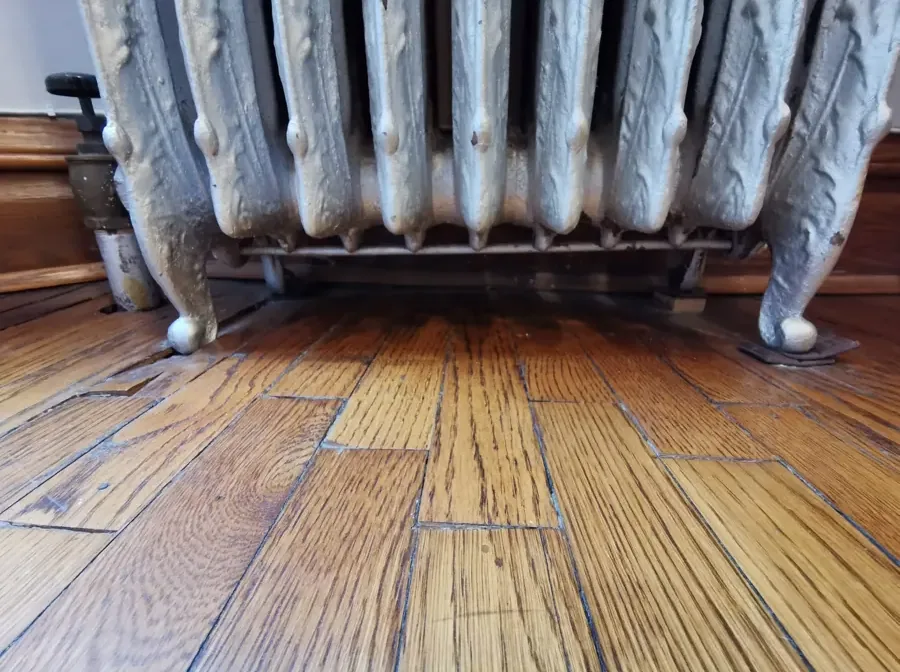
Wood boards can show the effects of a leak after the exposed water has been collected. Raised edges, dark joints or loosened sections need assessment of the whole floor assembly. The visible board is connected to a substrate, fastening or adhesive system and nearby wall edges. Each part can hold moisture differently, so a repair decision needs more than an inspection of the finish alone.
First steps for hardwood floor water damage
- Stop covering the wet boards. Remove rugs from the affected section when safe, and keep dry furniture away from wood being assessed for moisture.
- Record the visible changes. Photograph raised edges, dark joints and loose sections without forcing the boards down or attempting immediate sanding to change the appearance of the wet floor.
- Share flooring information. Provide product details so the assessment can consider board construction, attachment and underlying materials when selecting access and drying methods.
- Coordinate the repair timing. Tell the flooring contractor that moisture assessment is underway so cosmetic work can follow the condition of the retained boards and substrate.
How hardwood floor water damage progresses
- 1
Assess board condition and construction
The survey records board changes, installation system, source and wet boundary before selecting moisture measurement locations across the floor and adjoining assemblies.
- 2
Reach moisture beneath the finish
Extraction and selective access address water trapped below coverings or board edges, with removal decisions based on condition and drying access.
- 3
Track wood and substrate response
The drying setup supports the assessed assembly while repeated readings show whether boards and underlying materials are responding together or require a different access or airflow approach.
- 4
Connect the record to floor repairs
Documentation identifies retained and removed sections, material readings and remaining surface damage, allowing the owner and flooring contractor to plan subsequent repairs.
Identify the floor before deciding its treatment
Whitley Heights was commissioned as a Mediterranean style village on the hills above Hollywood Boulevard. Spaulding Square has a historic preservation designation. For a property with protected features, intrusive floor work needs appropriate coordination. The assessment starts with the actual boards and installation method, recording their condition before choosing access, drying or replacement for any part of the wet assembly.
A Franklin Village owner can help by providing available flooring product information or records of previous installation work. Even without those records, inspection can identify the layers that need attention. Water reaching the underside may remain trapped by the finish or by materials below the boards, so the scope should explain how that concealed moisture will be reached and measured.
- Mark changed board edges and darkened joints in photographs before furniture moves or the drying arrangement alters the room.
- Check flooring transitions where water may have reached a different substrate or continued into an adjoining space.
- Keep rugs and other coverings off assessed wet sections so they do not restrict the intended evaporation path.
- Identify loose or unstable boards as an access concern rather than walking repeatedly across them to test the surface.
Drying and floor refinishing have different purposes
Drying addresses moisture in retained materials. Sanding or replacing boards changes the finished surface and belongs later in the decision sequence. A floor that still contains uneven moisture can continue changing shape, so immediate cosmetic work can obscure its condition. The assessment should confirm source control, material suitability and access before a flooring contractor plans the final repair approach.
- Record the source and water condition because exposure can affect whether the flooring remains suitable to retain.
- Separate board removal from subfloor repairs in the estimate so each part of the assembly has a clear scope.
- Use repeated readings at relevant material locations to assess progress rather than assuming surface flattening means completion.
- Keep the repair contractor informed about retained layers and any openings created to reach moisture beneath the boards.
Make the repair decision from the assessed assembly
The structural drying work can include the substrate and adjacent walls where a floor leak has spread. When the materials reach suitable conditions, the remaining shape, finish and attachment damage can be considered for repair. Product and installation requirements still matter when new boards, adhesive or other floor components are selected.
The final record should describe the affected area, materials retained or removed and readings relevant to the substrate. That gives the owner a clearer basis for discussing refinishing, selective replacement or broader flooring work.
Discuss the wet materials before repairs
Changed boards need an assessment beneath the finish as well as across the surface. Describe the leak and visible floor changes so the scope can account for the wood, substrate and adjoining materials.
(888) 578-6508 Discuss board and substrate moistureWhat does hardwood floor water damage cost in Hollywood, CA?
Hardwood water damage costs in Hollywood depend on board condition, concealed moisture and substrate access. These planning ranges cover restoration work, while refinishing, replacement boards and installation materials should be specified separately.
Limited clean-water area
$1,200 to $2,000
- Localized board assessment
- Accessible wet edges
- Focused moisture readings
Several affected floor sections
$2,000 to $3,400
- Connected floor spread
- Multiple substrate checks
- Expanded drying setup
Dense or concealed moisture
$3,400 to $5,000
- Restricted underside access
- Selective removal decisions
- Detailed material monitoring
The figures describe typical work scopes, not a quote. Water category, affected area, access and the time before drying change the scope. Compare the inputs in the water damage cost calculator.
Documentation for your insurance claim
The restoration contractor records the water source, affected rooms and moisture readings before removal begins. Timestamped photographs show damaged materials and the reason for opening a wall or lifting a floor. Daily temperature, humidity and material readings document progress against a dry comparison area. An itemized scope separates extraction, disposal, cleaning and equipment use from plumbing repairs and finish replacement. The property owner keeps invoices and the initial discovery details with that record. An insurer evaluates coverage under the actual policy; a sudden plumbing release, outside flooding and a sewer backup can receive different treatment. The adjuster decides coverage, and the homeowner checks deductibles, exclusions and any applicable endorsements directly with the insurer.
Daily measurements support the IICRC S500 drying goal. The drying crew compares similar materials and investigates readings that stop improving before equipment leaves.
Hardwood floor water damage in Hollywood
Hollywood wood floor assessments serve properties in Whitley Heights, Spaulding Square and Franklin Village, with the actual floor system and any protected interior details considered before intrusive work is planned.
The same service nearby: hardwood floor water damage in Valley Village, Studio City, North Hollywood.
All water damage services in Hollywood · View all service areas
Hardwood Floor Water Damage questions in Hollywood, CA
Will raised board edges flatten as the floor dries?
Some shape changes can reduce as moisture conditions improve, but the final result depends on the construction and damage. The floor needs assessment and monitoring before repair decisions are made. No specific recovery should be assumed from the initial appearance of the boards after a leak.
Should the wet floor be sanded right away?
Sanding changes the surface without addressing moisture beneath it. Boards that are still changing with moisture can behave differently after drying. Source control, material readings and an assessment of the retained assembly should come before a flooring contractor decides how to refinish or replace damaged sections.
Can moisture remain below apparently normal boards?
The top finish can look intact while water remains in the substrate or along the underside. Measurements and suitable access help assess the condition of those concealed layers. The drying scope should therefore account for the assembly beneath the visible surface, including nearby transitions and wall edges.
Does every affected wood floor need full replacement?
Retention depends on water condition, board damage, installation and the ability to reach moisture below the floor. Some sections may remain while others require removal. The assessment should explain those decisions for the actual materials and avoid treating every leak as the same flooring repair project.
Why does the installer need the drying records?
Material readings and the removal record help the installer understand the substrate and retained sections before repair. The chosen flooring products also have installation requirements. Sharing the documentation connects those requirements with the assessed condition instead of relying only on whether the room feels dry.
Can furniture stay on the unaffected side of the room?
It may remain if the area is assessed as unaffected and does not obstruct the equipment route or necessary readings. Wet furniture feet and rugs need separate attention before returning to the floor. The arrangement should preserve access to the materials being monitored during the drying work.
A clear scope starts with the source
Changed boards need an assessment beneath the finish as well as across the surface. Describe the leak and visible floor changes so the scope can account for the wood, substrate and adjoining materials.
(888) 578-6508 Discuss board and substrate moisturePlan floor repairs after the moisture assessment
A documented material record helps the owner decide on retained sections, replacement needs and the appropriate sequence for final flooring work.
(888) 578-6508 Arrange a wood assembly assessment