Roof Leak Water Damage in North Hollywood
A ceiling spot may appear far from the opening that admitted rain. North Hollywood roof leak cleanup follows moisture through accessible overhead materials while roof repair addresses the source of continuing entry.
(888) 578-6508 Discuss rainwater above the ceiling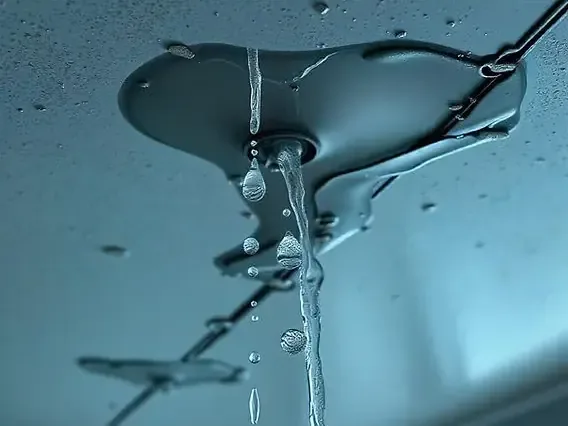
A drip is a useful observation, but it is not always directly below the roof entry point. Rainwater can follow sheathing or framing before reaching insulation and a ceiling finish. North Hollywood roof leak cleanup therefore works through the overhead assembly rather than treating the stain as an isolated paint problem. The source repair and the interior drying scope need to meet at that water path.
First steps for roof leak water damage
- Keep below damage clear. People should stay away from sagging or softened ceiling sections and avoid placing collection containers where reaching them requires unsafe access.
- Describe rainfall entry. The cleanup request should explain whether dripping continues during rain and which room or accessible overhead area first showed moisture.
- Arrange roof source attention. The entry point needs assessment by the contractor handling roof work, with the repair status communicated before interior materials are closed.
- Document safe visible changes. Photographs from the room entrance can record ceiling marks and affected belongings without entering an attic or standing below weakened finishes.
How roof leak water damage progresses
- 1
Connect attic and room observations
The assessment traces accessible overhead moisture toward the visible ceiling damage, identifying the affected materials and any restrictions on safe access above or below the assembly.
- 2
Expose the layers needing attention
Wet insulation and damaged finishes are assessed for removal while the scope identifies retained wood surfaces that require access for cleaning, inspection or drying.
- 3
Monitor after source control
The drying arrangement follows the overhead water path, with repeated material observations and updates about roof correction used to interpret continued moisture in the assembly.
- 4
Prepare closure and finish work
Completion documentation records the retained condition and remaining ceiling repairs, giving the owner a clear distinction between interior cleanup and the roof contractor's source work.
Read the route above the visible ceiling mark
Accessible attic surfaces can show wet insulation, staining or moisture on framing that helps define the interior loss. Inspection should account for safe footing and electrical conditions; occupants should not enter a wet overhead space to investigate. A sagging ceiling below also changes room access and may need controlled material removal before work can proceed beneath it.
- Insulation can hold water against ceiling material even after the active drip stops and the upper surface looks improved.
- Framing contact points can direct water sideways, making checks beyond the visible stain important for a complete drying scope.
- Water falling into the room may also affect furniture, floor coverings and trim that need a separate material assessment.
- Repeated wetting should be described during the request so the condition of retained layers receives appropriate attention when access opens.
Coordinate storm access and source correction
Sherman Way and Victory Boulevard are recognizable local references around Valley Plaza Park. The property conversation should also clarify whether rain is still entering and whether roof work has been arranged. Interior equipment cannot compensate for an opening that continues to admit water, so the cleanup sequence needs clear communication about the source correction.
Temporary protection and permanent roof work should be described by the contractor responsible for those tasks. The interior scope can then explain what happens to affected insulation, how retained framing will be reached and which ceiling areas must remain open for drying. This division makes it easier to organize the repair handoff without covering wet materials prematurely.
Repair the finish after the assembly is ready
Stain covering is a finish task. Before that task begins, moisture observations should support the condition of the materials behind the surface. The ceiling leak assessment page describes concerns below an overhead release. A roof related loss also needs a clear record of the entry correction so renewed wetting can be distinguished from moisture still leaving the original assembly.
Photographs of exposed sheathing, insulation and framing help explain the cleanup decisions. At completion, the owner should know which materials were retained and which finish repairs remain. That record gives the next contractor a practical starting point for closure and decoration.
Discuss the wet materials before repairs
A roof leak can leave wet layers above a small ceiling mark. Describe the room, continuing entry and roof repair status when arranging an assessment of the interior water path.
(888) 578-6508 Assess the overhead rain pathWhat does roof leak water damage cost in North Hollywood, CA?
North Hollywood roof leak cleanup costs depend on access above the ceiling, insulation involvement and water spread into the room. The interior estimate should identify drying and removal work separately from roof repairs and replacement finishes.
Small ceiling area
$1,000 to $1,900
- Focused moisture checks
- Limited finish access
- Local drying setup
Attic and ceiling layers
$1,900 to $3,200
- Insulation assessment
- Exposed framing work
- Overhead material access
Broader interior spread
$3,200 to $4,800
- Adjoining surfaces affected
- Contents considerations
- Expanded drying footprint
The figures describe typical work scopes, not a quote. Water category, affected area, access and the time before drying change the scope. Compare the inputs in the water damage cost calculator.
Documentation for your insurance claim
The restoration contractor records the water source, affected rooms and moisture readings before removal begins. Timestamped photographs show damaged materials and the reason for opening a wall or lifting a floor. Daily temperature, humidity and material readings document progress against a dry comparison area. An itemized scope separates extraction, disposal, cleaning and equipment use from plumbing repairs and finish replacement. The property owner keeps invoices and the initial discovery details with that record. An insurer evaluates coverage under the actual policy; a sudden plumbing release, outside flooding and a sewer backup can receive different treatment. The adjuster decides coverage, and the homeowner checks deductibles, exclusions and any applicable endorsements directly with the insurer.
Daily measurements support the IICRC S500 drying goal. The drying crew compares similar materials and investigates readings that stop improving before equipment leaves.
Roof leak water damage in North Hollywood
When arranging an assessment, describe the room beneath the leak and any safe attic access. Property references around Valley Plaza Park can help locate the request without changing the interior inspection needs.
The same service nearby: roof leak water damage in Valley Village, Studio City, Sherman Oaks.
All water damage services in North Hollywood · View all service areas
Roof Leak Water Damage questions in North Hollywood, CA
Why is the roof opening away from the stain?
Water can travel along an overhead surface before dripping through the ceiling. The inspection follows that route through accessible materials instead of assuming a vertical path. Source repair and interior assessment should share the observations so both the entry and the resulting moisture receive attention.
Can ceiling paint wait until the roof is repaired?
The roof source needs correction, but wet interior layers also need timely assessment. Paint is part of later finish work after the retained assembly is suitable for closure. Covering the stain without checking insulation and ceiling materials can conceal moisture that remains above the room.
Does wet attic insulation always stay in place?
Insulation is assessed according to its condition, contamination and effect on drying access. Saturated material can hold moisture against adjacent surfaces and may need removal. The proposal should explain that decision and identify which retained framing or sheathing will be checked after access improves.
Should an occupant climb into the attic?
A wet attic can contain unsafe footing, concealed openings and electrical hazards. The affected area should be assessed with appropriate access arrangements. Occupants can provide observations from safe locations, including where dripping appeared and whether the ceiling changed shape, without entering the overhead space.
What if the drip stops when the weather clears?
Once dripping stops, the inspection continues through wet insulation, ceiling backing and nearby framing. Insulation, wood and finishes may continue to hold water. Material checks help determine whether drying or removal is needed while the source contractor addresses the opening before another rainfall reaches it.
What belongs in the final interior cleanup record?
Useful documentation includes the visible stain, exposed overhead layers, removal decisions and drying observations. The record should also identify remaining ceiling repairs and the status of source correction. This helps the owner coordinate roof work and interior finishing as related but distinct parts of recovery.
A clear scope starts with the source
A roof leak can leave wet layers above a small ceiling mark. Describe the room, continuing entry and roof repair status when arranging an assessment of the interior water path.
(888) 578-6508 Assess the overhead rain pathPrepare the ceiling for proper repair
The cleanup plan should connect retained attic materials with the ceiling below and document conditions before closure.
(888) 578-6508 Discuss attic and ceiling moisture