Crawl Space Water Removal in Hollywood
Water below a floor can be difficult to see and harder to reach safely. Hollywood crawl space cleanup begins with an access assessment, then addresses pooled water and the underside of affected building materials.
(888) 578-6508 Discuss the wet underfloor area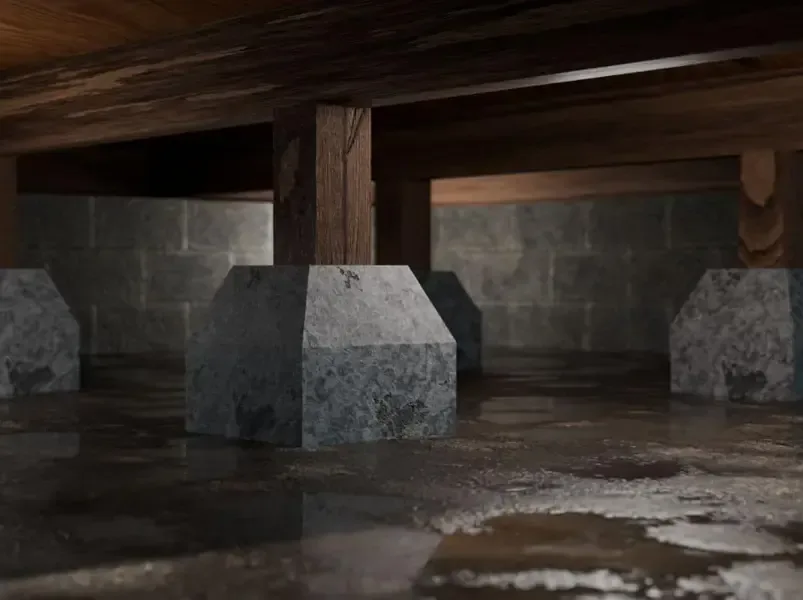
A puddle beneath the building should not prompt an occupant to crawl into a confined wet area. Electrical components, unstable ground and limited movement can make entry unsafe. The first task is to check the opening, visibility and conditions needed for an assessment. Removal methods then follow the water depth and source, alongside the condition of insulation and structural wood above it.
First steps for crawl space water removal
- Avoid entering pooled water. Leave the wet space for safe assessment, especially where electrical components, confined movement or unstable surfaces make entry difficult.
- Identify the available opening. Describe the entry route and any storage blocking it, so equipment access can be planned without unnecessary disturbance to the building.
- Report overhead material changes. Note sagging insulation or damp flooring from a safe position, giving the assessor information about materials above the water as well as the pool.
- Coordinate source investigation. Tell the property contact when water appeared and arrange plumbing or exterior entry assessment alongside the underfloor removal and drying work.
How crawl space water removal progresses
- 1
Assess entry and water conditions
The survey records safe access, source and water distribution, including constraints affecting pumping, material handling or inspection above the pool.
- 2
Remove liquid and obstructing debris
Suitable equipment collects accessible water while debris and unsuitable insulation are handled to expose the retained wood and floor layers that need cleaning or moisture assessment.
- 3
Arrange underfloor material drying
The setup accounts for the available clearance and airflow paths, using readings from joists and floor undersides to identify sections requiring further access or equipment adjustment.
- 4
Record the insulation replacement handoff
The owner receives information about cleared areas, retained material condition and outstanding source or insulation repairs, connecting cleanup to the remaining repairs.
Describe the access that actually exists
For a property near Western Avenue, the intake conversation can identify an exterior hatch or other known entry. Along Melrose Avenue, stored items or a restricted approach may affect equipment placement. A Spaulding Square owner can coordinate any work affecting protected details. These arrangements support the inspection of the actual underfloor space and the wet materials found inside it.
Water may collect in a low pocket while the rest of the visible ground appears clear. A hose reaching the entrance is therefore not enough to define the whole removal task. The assessment needs to consider obstructions, water behind supports and moisture touching the underside of the floor. Source control also matters when a pipe or outside entry continues adding water.
- Stay out of an unfamiliar wet crawl space and arrange inspection from an appropriately assessed access point.
- Report sagging insulation, visible pooled water and any damp flooring above without disturbing the underfloor materials independently.
- Keep the entry route clear so equipment and removed materials can pass without crossing clean interior storage.
- Identify whether the water appeared with plumbing use or outdoor rainfall to assist the investigation of its source.
Look upward after the pooled water is removed
Wet insulation can hold moisture against wood and obstruct readings. Depending on exposure and condition, it may need removal so joists and the underside of the floor can be assessed. Debris also affects access and cleaning. The scope should explain these tasks separately from pumping, including any contaminated materials that require controlled handling rather than ordinary drying in place.
- Check retained framing and floor undersides instead of limiting the moisture assessment to the exposed ground surface.
- Photograph removed insulation and debris so the owner can understand which replacement work remains after extraction.
- Plan a handling route that keeps underfloor residue away from unaffected living spaces and stored belongings.
- Record hard to reach areas that need additional access before the condition of the full assembly can be assessed.
Track the structure before replacing insulation
The structural drying service addresses moisture in retained materials after the water and unsuitable layers are removed. Underfloor airflow needs to suit the available space and exposed wood. Measurements show whether those materials are responding and help determine when insulation replacement or other repairs can proceed without covering a still damp surface.
The final record should describe source repair status, the area cleared and any remaining access limitations. This connects the removal work below the building with the repair decisions affecting the floor above it.
Discuss the wet materials before repairs
Water beneath a floor needs an access plan as well as a removal method. Describe the entry opening, visible pool and any affected insulation so the underfloor assessment can address the whole assembly.
(888) 578-6508 Arrange underfloor water assessmentWhat does crawl space water removal cost in Hollywood, CA?
Crawl space removal in Hollywood depends on access, pooled water distribution and wet insulation or framing. The ranges below cover increasing difficulty, with source repairs and replacement insulation separated clearly from the removal and drying scope.
Accessible shallow water
$1,500 to $2,700
- Reachable pooled water
- Open equipment route
- Focused framing checks
Wet insulation and joists
$2,700 to $4,500
- Insulation handling
- Exposed wood assessment
- Underfloor drying setup
Difficult or contaminated loss
$4,500 to $6,500
- Restricted entry conditions
- Controlled debris removal
- Complex moisture access
The figures describe typical work scopes, not a quote. Water category, affected area, access and the time before drying change the scope. Compare the inputs in the water damage cost calculator.
Documentation for your insurance claim
The restoration contractor records the water source, affected rooms and moisture readings before removal begins. Timestamped photographs show damaged materials and the reason for opening a wall or lifting a floor. Daily temperature, humidity and material readings document progress against a dry comparison area. An itemized scope separates extraction, disposal, cleaning and equipment use from plumbing repairs and finish replacement. The property owner keeps invoices and the initial discovery details with that record. An insurer evaluates coverage under the actual policy; a sudden plumbing release, outside flooding and a sewer backup can receive different treatment. The adjuster decides coverage, and the homeowner checks deductibles, exclusions and any applicable endorsements directly with the insurer.
Daily measurements support the IICRC S500 drying goal. The drying crew compares similar materials and investigates readings that stop improving before equipment leaves.
Crawl space water removal in Hollywood
Hollywood underfloor assessments can be arranged near Western Avenue, Melrose Avenue and Spaulding Square, with the actual foundation access and wet area described before removal equipment is selected.
The same service nearby: crawl space water removal in Valley Village, Studio City, North Hollywood.
All water damage services in Hollywood · View all service areas
Crawl Space Water Removal questions in Hollywood, CA
Can an occupant enter to inspect the water first?
A wet crawl space can combine limited movement with electrical and surface hazards. Avoid entering until access conditions have been assessed. Information about the opening, visible water and timing of the incident can help organize the inspection without requiring an occupant to crawl through the affected space.
Does pumping finish the underfloor cleanup?
Pumping removes accessible liquid, but insulation and wood above the water may remain damp. Debris or contaminated material can also require attention. The complete scope should address those conditions and track retained structural materials before replacement insulation or other work covers the inspected area again.
Why might insulation need removal if it looks attached?
Insulation can retain water against the underside of the floor and obstruct moisture measurements. Its condition and exposure determine whether it can remain. Removal may be needed to reach and dry the wood behind it, with later replacement listed separately in the building repair scope.
How is water behind supports included in the assessment?
The inspection considers the layout, visibility and equipment reach rather than assuming the first accessible pool represents the entire loss. Obstructions and low pockets may need a different extraction approach. Any inaccessible sections should be identified so the owner understands where further access is required.
Will floor moisture above the space also be checked?
When the water path or underfloor conditions indicate possible effects on the floor assembly, the assessment can include the surfaces above. Measurements across those layers help connect the underfloor loss with visible indoor changes and identify whether additional flooring access or drying work is needed.
What documentation helps plan the remaining repairs?
Photographs, source information and a description of removed insulation or debris help explain the completed work. Moisture records show the condition of retained joists and floor materials. Any outstanding pipe repairs, access work or insulation replacement should be identified so the owner can schedule the next tasks.
A clear scope starts with the source
Water beneath a floor needs an access plan as well as a removal method. Describe the entry opening, visible pool and any affected insulation so the underfloor assessment can address the whole assembly.
(888) 578-6508 Arrange underfloor water assessmentCheck the wood above the standing water
A complete scope follows pumping with inspection, drying and a record of the materials needing later replacement.
(888) 578-6508 Discuss underfloor access and cleanup