North Hollywood Crawl Space Water Removal
Where a property has an accessible crawl space, water below the floor needs its own removal plan. North Hollywood assessments consider entry conditions, the water source and moisture contacting the overhead floor assembly.
(888) 578-6508 Discuss water beneath the building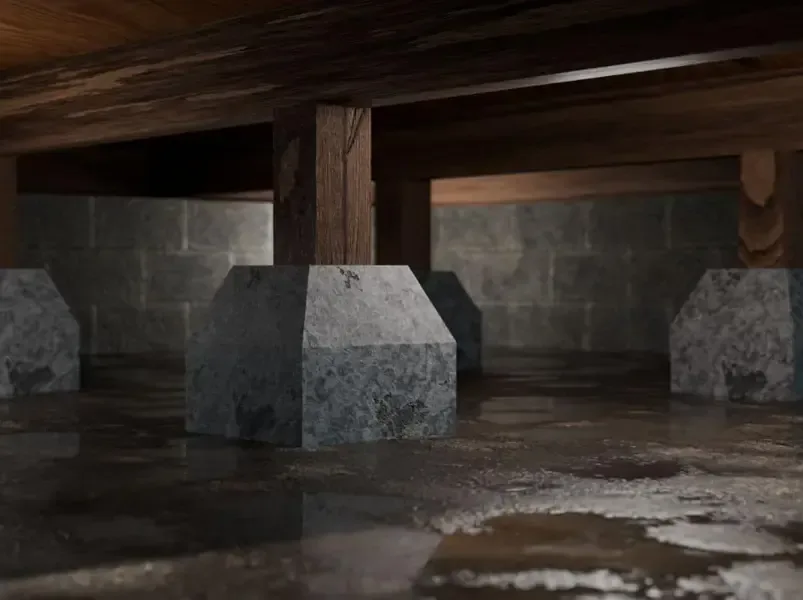
Water underneath a floor can be difficult to see and harder to reach. For a North Hollywood property with a crawl space, the removal plan starts at the access opening and considers conditions throughout the reachable area. Pooling, low clearance, obstructions and the water source all influence the equipment arrangement and the inspection of materials above the wet ground.
First steps for crawl space water removal
- Remain outside the opening. Occupants should avoid entering underfloor water, where restricted clearance and concealed electrical conditions can make movement unsafe.
- Describe the visible source. The request can identify a known plumbing release or outside entry and explain whether that source has been isolated or continues adding water.
- Preserve the access route. Dry belongings near the opening can be relocated safely so equipment has a clear approach without passing through unnecessary occupied areas.
- Record safe observations. Photos taken from outside the space can document visible pooling, hanging insulation and access obstructions without requiring entry beneath the wet floor assembly.
How crawl space water removal progresses
- 1
Assess the entry and water conditions
Planning starts with reachable space, source status and equipment routes, including restrictions on safe movement beneath the floor.
- 2
Collect water across the affected area
Removal addresses accessible pooling while the inspection checks for divided low areas and materials that continue releasing water after the first collection point clears.
- 3
Expose and dry contacted framing
Insulation and other obstructing layers are assessed so retained joists and subfloor surfaces can receive the access, cleaning and drying required by their condition.
- 4
Record the underfloor handoff
Final observations identify material conditions and outstanding source or insulation work, allowing the owner to plan repairs around the actual assembly reached during cleanup.
Arrange safe access before entering below
An underfloor opening does not by itself make a wet crawl space suitable for entry. Electrical components, unknown water depth and restricted movement can complicate the work. Occupants should describe what can be seen from a safe position and leave entry assessment to the cleanup team. The plan should identify how water and removed materials will leave the space.
- Insulation hanging beneath the floor can hold moisture against wood and may obstruct inspection of the joists above it.
- Supports and other obstructions can divide pooling into areas that require attention beyond the first visible collection point.
- A continuing plumbing release or outside entry needs correction so the removal equipment is not working against renewed accumulation.
- The access route should protect occupied rooms from water, debris or contaminated material brought out of the underfloor area.
Inspect the underside of the floor as well
Laurel Canyon Boulevard and Sherman Way can serve as local references during a property conversation. The useful building details are whether the access is outside or indoors, what has been observed below and whether a source repair has occurred. The entrance position, clearance and obstructions determine where the technician can inspect and place removal equipment beneath this building.
After standing water is removed, the underside of the floor needs attention where moisture contacted it. Joists, subfloor material and insulation have different access and drying needs. A damp cavity can remain after the ground looks clearer, so the scope should explain which retained surfaces will be checked and what must be removed to expose them.
Connect removal with a lasting repair plan
The structural drying service covers the retained materials after the liquid load has been reduced. Equipment selection should account for the reachable space and the moisture that remains. Readings taken at identified locations help show whether the arrangement is working across the affected assembly rather than only near the entry opening.
The completion record should preserve the observed source conditions, affected underfloor materials and removal decisions. Any plumbing correction, entry repair or insulation replacement should be listed separately when it falls outside cleanup. That handoff helps the owner coordinate followup work without concealing a wet surface or leaving the original entry problem unresolved.
Discuss the wet materials before repairs
Water beneath a floor needs a plan for access as well as removal. Describe the opening, visible pooling and known source so the assessment can address the affected underfloor materials safely.
(888) 578-6508 Assess underfloor water conditionsWhat does crawl space water removal cost in North Hollywood, CA?
North Hollywood crawl space removal pricing depends on access, water conditions and contact with underfloor materials. The estimate should distinguish pumping and drying from plumbing correction, entry repairs or replacement of removed insulation.
Accessible shallow water
$1,500 to $2,700
- Reachable pooling
- Clear entry
- Limited obstruction
Wet insulation and joists
$2,700 to $4,500
- Insulation handling
- Framing access
- Underfloor drying
Difficult or contaminated loss
$4,500 to $6,500
- Restricted movement
- Expanded material handling
- Complex removal route
The figures describe typical work scopes, not a quote. Water category, affected area, access and the time before drying change the scope. Compare the inputs in the water damage cost calculator.
Documentation for your insurance claim
The restoration contractor records the water source, affected rooms and moisture readings before removal begins. Timestamped photographs show damaged materials and the reason for opening a wall or lifting a floor. Daily temperature, humidity and material readings document progress against a dry comparison area. An itemized scope separates extraction, disposal, cleaning and equipment use from plumbing repairs and finish replacement. The property owner keeps invoices and the initial discovery details with that record. An insurer evaluates coverage under the actual policy; a sudden plumbing release, outside flooding and a sewer backup can receive different treatment. The adjuster decides coverage, and the homeowner checks deductibles, exclusions and any applicable endorsements directly with the insurer.
Daily measurements support the IICRC S500 drying goal. The drying crew compares similar materials and investigates readings that stop improving before equipment leaves.
Crawl space water removal in North Hollywood
The property request should identify the crawl space entrance and known water conditions. A location reference near Victory Boulevard helps organize access alongside the available opening and underfloor obstructions.
The same service nearby: crawl space water removal in Valley Village, Studio City, Sherman Oaks.
All water damage services in North Hollywood · View all service areas
Crawl Space Water Removal questions in North Hollywood, CA
Should someone enter to measure the water depth?
Occupants should remain outside a wet crawl space until access conditions have been assessed. Restricted movement and concealed electrical components can make entry hazardous. Visible observations from the opening, along with any known source information, are enough to begin a useful conversation about the removal plan.
Does pumping finish the underfloor cleanup?
Pumping reduces standing water but may leave moisture in insulation, joists and the subfloor. Those materials need assessment after removal. The next stage can involve exposure, cleaning or drying, depending on the source and the surfaces contacted beneath the floor during the water accumulation.
Why might wet insulation need to come out?
Insulation can retain water against adjacent wood and hide the condition of the assembly above it. Removal may be needed for inspection or drying access. The written scope should explain the decision and identify later insulation replacement as a separate repair where it is not included.
What if water collects again after removal begins?
Renewed accumulation requires attention to the source and the collection pattern. A continuing pipe leak or outside entry can undermine removal progress. The cleanup record should note the changing condition and coordinate source correction before treating the initial pumping work as a completed response to the loss.
Can underfloor work affect access inside the building?
An interior access opening or equipment route can require a defined work area in an occupied room. The plan should preserve safe passage where practical and keep wet materials separate from dry belongings. Those arrangements depend on the actual opening and the route selected for removal.
What should be documented before the opening closes?
The record should identify affected underfloor surfaces, material removal and the observed condition after drying. Any remaining plumbing correction or replacement insulation should be clear. Photographs can help the owner and repair contractor understand what was reached during cleanup without relying on a view from the entrance alone.
A clear scope starts with the source
Water beneath a floor needs a plan for access as well as removal. Describe the opening, visible pooling and known source so the assessment can address the affected underfloor materials safely.
(888) 578-6508 Assess underfloor water conditionsReach the materials above the pooling
The cleanup scope should connect standing water removal with inspection of insulation, joists and the retained floor assembly.
(888) 578-6508 Discuss the crawl space access