Sewage Backup Cleanup in Hollywood
A drain backup changes how a wet room must be handled. Hollywood sewage cleanup begins by restricting contact, controlling the source and separating affected materials from the rest of the property.
(888) 578-6508 Arrange controlled wastewater cleanup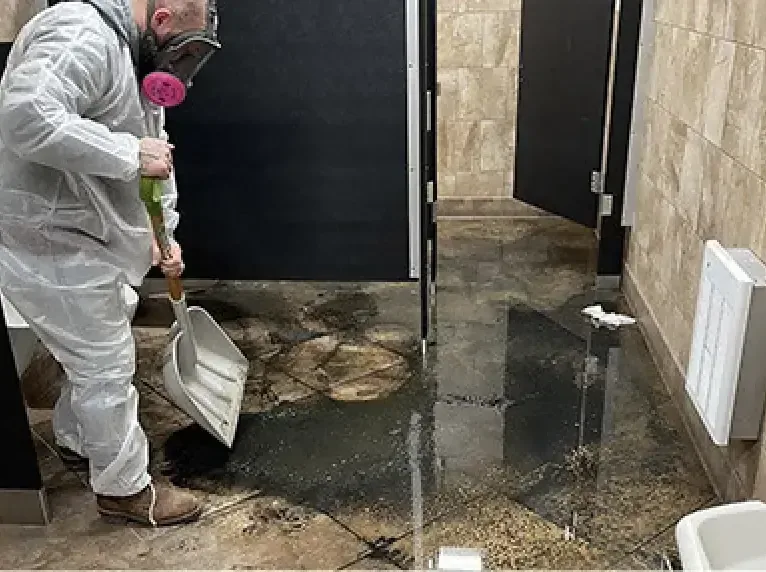
Wastewater that reaches a room can spread contamination across a much larger area than the visible drain opening. Foot traffic, mops and wet belongings can carry it into dry spaces. The immediate priority is a controlled work area with a safe route for occupants. Cleaning decisions then follow the source, the materials contacted and the extent of the spread.
First steps for sewage backup cleanup
- Stop fixture use. Keep affected fixtures unused during assessment, and notify occupants who might accidentally add water to the backup.
- Keep the area isolated. Close access to wet rooms without walking through the wastewater. Keep belongings and cleaning tools from crossing into otherwise unaffected spaces.
- Notify the property contact. Arrange owner or manager access so drain repair and cleanup decisions can move forward with a clear understanding of the affected rooms.
- Document from safety. Record visible damage from a dry position and leave contaminated belongings in place until a handling plan has been agreed.
How sewage backup cleanup progresses
- 1
Define contamination boundaries
The inspection traces wastewater contact through rooms, contents and building surfaces, specifying restrictions and a safe handling route for materials needing removal.
- 2
Remove wastewater and unsuitable finishes
Controlled extraction and selective removal address contaminated liquid and porous layers, creating access to the structural surfaces that will remain after the cleanup is completed.
- 3
Clean the retained contact surfaces
The cleaning sequence addresses exposed materials using methods appropriate to their condition, while work area controls limit transfer of residue into adjacent usable spaces.
- 4
Dry and document remaining assemblies
Material readings track retained wood, floor layers and walls after cleaning, and the record separates completed cleanup from drain repair or reconstruction still required.
Begin at the drain and follow the contact area
A backup in Little Armenia may require a property manager to coordinate drain repair and interior access together. In Thai Town, the same assessment needs to account for the actual rooms and contents involved. Location details help arrange entry; the condition inside determines which surfaces require cleaning and which porous materials are no longer suitable to retain.
Continued fixture use can add more water before the obstruction or drain defect is resolved. The affected fixtures should remain out of use while the plumbing problem is assessed. Cleanup and drain repair have separate roles, and both need a clear scope so a cleaned room is not exposed to another discharge during the work.
- Keep children, pets and unnecessary foot traffic outside the contaminated area until the work boundaries are marked.
- Do not carry wet rugs through unaffected rooms without a controlled handling and disposal plan.
- Tell the assessor which fixtures discharged and whether water appeared elsewhere during the same incident.
- Identify cabinets, wall bases and absorbent storage that were touched by the wastewater or its residue.
Remove unsuitable layers before drying the structure
Contaminated porous finishes can prevent effective cleaning of the materials underneath. The removal plan should identify those layers and provide access to retained surfaces. A Yucca Corridor property with a confined interior route may need additional coordination for material handling. The goal is a work sequence that removes wastewater and debris before equipment starts drying the remaining assembly.
- Separate disposal decisions from cleaning decisions so the estimate explains what is leaving and what remains.
- Photograph affected contents before disposal when that can be done without entering an unsafe area.
- Keep cleaning equipment and removed material within the designated route to protect adjacent usable rooms.
- Check beneath thresholds where wastewater can travel out of the bathroom or utility area.
Close the cleanup with a clear material record
After surfaces are cleaned, moisture readings identify retained framing or floor layers that still need drying. The water damage services hub connects the related work, including structural moisture management. The final record should distinguish drain repairs, contaminated material removal, cleaning and reconstruction so the owner understands what remains before normal use resumes.
Odor alone is not the completion measure. The work needs to address the actual contact surfaces, removed materials and moisture held in the structure.
Discuss the wet materials before repairs
Wastewater needs a controlled cleanup path through the building. Describe the discharging fixture, affected rooms and access restrictions so the assessment can organize removal, cleaning and the next material checks.
(888) 578-6508 Discuss wastewater contact areasWhat does sewage backup cleanup cost in Hollywood, CA?
Sewage cleanup costs in Hollywood depend on the wastewater footprint, affected porous materials and controlled access needs. These ranges describe increasing cleanup scope, with drain repairs and replacement finishes identified separately in the estimate.
Contained bathroom
$2,000 to $3,500
- Limited contact area
- Controlled liquid removal
- Retained surface cleaning
Adjacent room spread
$3,500 to $5,500
- Threshold migration
- Additional porous removal
- Wider drying area
Multiple affected spaces
$5,500 to $8,000
- Expanded contamination boundary
- Complex handling route
- Broader assembly assessment
The figures describe typical work scopes, not a quote. Water category, affected area, access and the time before drying change the scope. Compare the inputs in the water damage cost calculator.
Documentation for your insurance claim
The restoration contractor records the water source, affected rooms and moisture readings before removal begins. Timestamped photographs show damaged materials and the reason for opening a wall or lifting a floor. Daily temperature, humidity and material readings document progress against a dry comparison area. An itemized scope separates extraction, disposal, cleaning and equipment use from plumbing repairs and finish replacement. The property owner keeps invoices and the initial discovery details with that record. An insurer evaluates coverage under the actual policy; a sudden plumbing release, outside flooding and a sewer backup can receive different treatment. The adjuster decides coverage, and the homeowner checks deductibles, exclusions and any applicable endorsements directly with the insurer.
Daily measurements support the IICRC S500 drying goal. The drying crew compares similar materials and investigates readings that stop improving before equipment leaves.
Sewage backup cleanup in Hollywood
Cleanup planning covers Hollywood properties in Little Armenia, Thai Town and Yucca Corridor, including coordination with owners or managers when adjoining spaces or shared entrances require access.
The same service nearby: sewage backup cleanup in Valley Village, Studio City, North Hollywood.
All water damage services in Hollywood · View all service areas
Sewage Backup Cleanup questions in Hollywood, CA
Should the floor be mopped before cleanup begins?
Unplanned mopping can spread wastewater into joints and dry rooms or contaminate the tools used. Keep people away from the affected area and arrange an assessment first. The cleaning approach should follow the source, material condition and full extent of contact inside the property.
Does every wet item need to be discarded?
The decision depends on the item, its absorbency and its contact with the wastewater. Some hard surfaces can be cleaned, while contaminated porous materials may need disposal. The scope should identify those decisions clearly, with photographs where practical before affected items are removed.
Can fans run while sewage remains on the floor?
Drying equipment should follow the necessary removal and cleaning work. Air movement across an untreated contaminated area can interfere with controlled handling. The crew determines the appropriate sequence for extraction, material removal, cleaning and drying after assessing the actual conditions in the room.
Who fixes the drain that caused the backup?
A plumbing assessment addresses the obstruction or defect responsible for the discharge. Restoration work addresses the water and affected building materials. The property owner or manager should coordinate both scopes and arrange access, keeping the affected fixtures out of use until the source is controlled.
Why might cleanup extend outside the bathroom?
Wastewater can cross a doorway, soak an adjoining floor covering or reach the base of a shared wall. The inspection follows that contact rather than relying on the room where the backup began. Concealed edges and adjacent materials can therefore be included in the cleanup scope.
What should be available for an insurance claim?
Keep photographs, the drain repair description, cleanup estimates and a list of affected contents. Records of removed materials, cleaning work and drying measurements help explain the work performed. The insurer decides coverage from the policy and the circumstances, so documentation should remain factual and specific.
A clear scope starts with the source
Wastewater needs a controlled cleanup path through the building. Describe the discharging fixture, affected rooms and access restrictions so the assessment can organize removal, cleaning and the next material checks.
(888) 578-6508 Discuss wastewater contact areasRestore a usable room through controlled cleanup
Source control and documented material decisions determine what must happen before the affected space can return to use.
(888) 578-6508 Arrange the contamination assessment