Ceiling Leak Water Damage in Sherman Oaks
A swelling ceiling can make the room beneath it unsafe before much water reaches the floor. Sherman Oaks ceiling cleanup prioritizes restricted access, source identification and a controlled look inside the affected assembly.
(888) 578-6508 Discuss the unstable ceiling area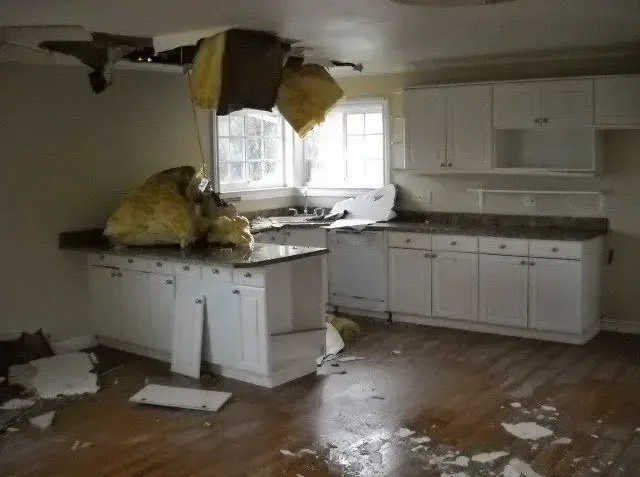
A ceiling does not need to collapse before access beneath it becomes a concern. A bulge, loose seam or spreading stain warrants attention to the room below as well as the hidden space above. Ceiling leak water damage restoration in Sherman Oaks starts by marking that safe boundary and identifying the water source before anyone treats the mark as a simple decorating problem.
First steps for ceiling leak water damage
- Stay outside the sagging area. Keep occupants clear of swollen or loose ceiling material and avoid attempting to drain a bulge with a tool from below.
- Report electrical exposure. Mention water near lights, switches or powered equipment so electrical hazards can be assessed before the room becomes a work area.
- Notify the responsible manager. For rented premises, describe the active leak and room restrictions while arranging entry and authorization for any necessary ceiling access work.
- Record the earliest marks. Photographs from a dry stable location can document the original stain and wet floor without requiring contact with weakened overhead material.
How ceiling leak water damage progresses
- 1
Define the overhead hazard boundary
The room is assessed for unstable finishes and electrical exposure before equipment placement or contents movement brings anyone beneath the wet section of ceiling.
- 2
Find the source and wet bays
Plumbing or roof findings are compared with ceiling moisture observations, helping identify which cavity areas need access and which adjoining surfaces require checking.
- 3
Open and dry selected materials
Damaged layers are addressed and sound retained components receive an appropriate drying arrangement, with readings indicating whether hidden moisture continues to decline during treatment.
- 4
Record the complete room handoff
Completion notes cover the cavity, replacement ceiling materials and any damage below, allowing the repair plan to include more than the original visible stain.
Organize access before investigating the cavity
For a rented property near Moorpark Street, the occupant and manager should exchange the location of the drip, photographs taken safely and any limits on room use. Authorization to open a ceiling is different from permission to enter the home. Clear arrangements help the assessment reach the cavity without leaving source repair responsibilities unresolved.
In Magnolia Woods, a ceiling stain below an overhead water source should be traced through the actual assembly. Wet electrical fixtures, weakened finishes and damaged insulation can all affect the inspection method. Occupants should avoid puncturing a bulge, pulling loose material down or reaching into a wet light opening.
- Mark the room section that needs restricted access so furniture movement does not bring someone beneath unstable material.
- Inspect the floor and contents below the drip after safe entry is arranged, including nearby absorbent coverings.
- Compare ceiling readings beyond the visible stain to identify moisture in adjoining bays before choosing a removal edge.
- Keep source repair notes connected with cavity observations so the ceiling is not closed while a hidden leak continues.
Give each wet layer a specific decision
A home in Chandler Estates may have an assembly that requires access from below, above or an existing opening. The assessment should describe the available route and the material it exposes. Damaged ceiling board, wet insulation and sound framing need different decisions rather than a single instruction to dry the room.
Where rain entered through the roof, roof leak restoration links the ceiling work with attic inspection. A plumbing source requires its own repair coordination before moisture readings can show lasting progress.
Restore the overhead finish after the cavity is ready
Air movement across a painted ceiling may not reach moisture behind it. Controlled access can expose retained materials for drying, and measurements can show whether the chosen arrangement is working. The opening should remain available until necessary repair and drying checks are complete.
Finish work can then address the damaged area with a clear record of what remained and what was removed. That record should also identify any floor damage from the original drip so the ceiling repair does not become the accidental endpoint of the entire loss.
Discuss the wet materials before repairs
Describe any sagging, the position of the drip and whether a manager or repair trade is involved. Those observations help the technician plan safe access and inspect both the cavity and the room below.
(888) 578-6508 Discuss the ceiling access planWhat does ceiling leak water damage cost in Sherman Oaks, CA?
Ceiling leak cleanup in Sherman Oaks depends on overhead stability, cavity access and the spread below the drip. These ranges cover restoration scopes; source repair and replacement finishes should be separately explained in the estimate.
Localized stain and moisture
$900 to $1,600
- Focused overhead inspection
- Limited surface damage
- Simple access
Open ceiling cavity
$1,600 to $2,800
- Concealed layer access
- Wet insulation assessment
- Retained framing drying
Several bays or rooms
$2,800 to $4,200
- Expanded overhead spread
- Additional room protection
- Broader moisture tracking
The figures describe typical work scopes, not a quote. Water category, affected area, access and the time before drying change the scope. Compare the inputs in the water damage cost calculator.
Documentation for your insurance claim
The restoration contractor records the water source, affected rooms and moisture readings before removal begins. Timestamped photographs show damaged materials and the reason for opening a wall or lifting a floor. Daily temperature, humidity and material readings document progress against a dry comparison area. An itemized scope separates extraction, disposal, cleaning and equipment use from plumbing repairs and finish replacement. The property owner keeps invoices and the initial discovery details with that record. An insurer evaluates coverage under the actual policy; a sudden plumbing release, outside flooding and a sewer backup can receive different treatment. The adjuster decides coverage, and the homeowner checks deductibles, exclusions and any applicable endorsements directly with the insurer.
Daily measurements support the IICRC S500 drying goal. The drying crew compares similar materials and investigates readings that stop improving before equipment leaves.
Ceiling leak water damage in Sherman Oaks
Ceiling damage assessments include homes around Moorpark Street, Magnolia Woods and Chandler Estates, with occupant access and any property manager authorization coordinated before concealed overhead areas are opened.
The same service nearby: ceiling leak water damage in Valley Village, Encino, Studio City.
All water damage services in Sherman Oaks · View all service areas
Ceiling Leak Water Damage questions in Sherman Oaks, CA
Should a swollen ceiling be punctured to release water?
Occupants should not stand beneath or puncture an unstable wet ceiling. The material may fail unexpectedly, and concealed electrical components may be involved. Access should be restricted until the condition is assessed and a controlled method of opening or removal is chosen.
Can a ceiling leak come from plumbing above?
Yes. The source investigation should consider the building arrangement and the timing of leakage. Plumbing, roof entry and other water routes need different repairs. The restoration scope should connect the diagnosed source with the wet cavity rather than assuming every ceiling stain follows rainfall.
Why check flooring when the problem is overhead?
Drips can soak rugs, furniture bases and the floor assembly while attention stays on the ceiling. Water may continue underneath a covering after the surface is wiped. Inspecting the area below the leak helps define the full loss before the overhead finish is repaired.
What permission is needed in a rented property?
The responsible manager should coordinate entry, source repair and authorization for openings or removal. Occupants can provide observations and safe photographs. Clear communication about room restrictions and personal belongings helps the work proceed while keeping responsibility for the building scope understandable to everyone involved.
Will room fans dry the space above the ceiling?
Air moving across the visible finish may not circulate through the concealed cavity. Access and equipment need to suit the actual assembly. Moisture measurements help determine whether the retained layers are improving or whether additional exposure is required to reach the wet material.
What remains after the cavity reaches its drying target?
Damaged ceiling finishes, insulation or decorative components may still need replacement. The handoff should identify those items separately from retained materials that are ready. It should also confirm the source repair status and any remaining floor or contents work beneath the original leak.
A clear scope starts with the source
Describe any sagging, the position of the drip and whether a manager or repair trade is involved. Those observations help the technician plan safe access and inspect both the cavity and the room below.
(888) 578-6508 Discuss the ceiling access planResolve the wet layers before decorating
The overhead repair starts with a stable, assessed assembly.
(888) 578-6508 Request a ceiling moisture assessment