Ceiling Leak Water Damage in Encino
A spreading ceiling mark calls for attention above the paint. Encino ceiling leak cleanup identifies the water source, assesses the overhead surface and checks the hidden layers that can keep the room wet.
(888) 578-6508 Discuss the changing ceiling mark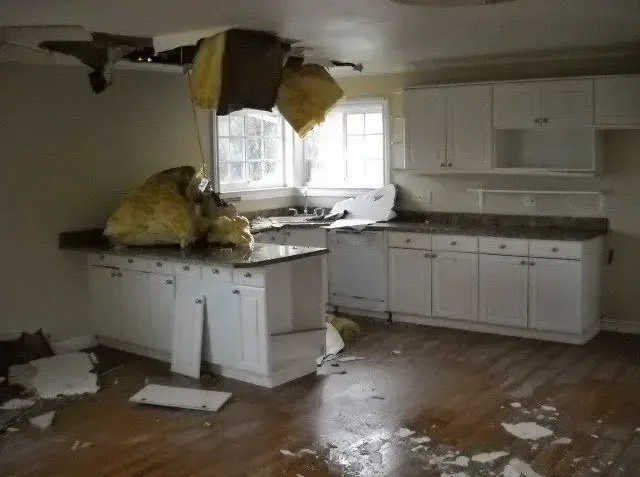
A ceiling mark is the visible end of a water path. The source might be plumbing, an appliance above or rain entry through the roof, and each route changes the repair coordination. At an Encino property, identifying what lies above the affected area is more useful than assuming the nearest fixture caused the stain.
First steps for ceiling leak water damage
- Keep the space below clear. Keep occupants away from sagging ceiling material and leave furniture in place if reaching it requires entering the unsafe area.
- Describe what is above. Identify the room, attic or equipment space over the stain and report whether any fixture use changes the dripping or visible ceiling mark.
- Report electrical proximity. Mention lights, fans or other fittings near the wet area and avoid touching switches or equipment that may have been affected by water.
- Record surface changes safely. Photograph the ceiling from a dry doorway, noting new marks on adjoining walls and any repair work already completed at the suspected source.
How ceiling leak water damage progresses
- 1
Identify source and overhead condition
The assessment connects the stain with accessible areas above and determines whether the finish can remain safely during inspection or needs removal.
- 2
Create useful cavity access
Opening work reaches damaged material and concealed moisture, with its extent based on the wet assembly rather than the paint mark alone.
- 3
Manage remaining overhead moisture
Framing, adjoining ceiling sections and connected walls receive drying attention, while readings identify layers that remain wet after the source has stopped.
- 4
Explain the ceiling repair area
Completion notes record retained materials and remaining openings so ceiling replacement follows documented source control and drying results for the affected room.
Read the surface without disturbing it
Bowing, blistering paint and falling fragments need a restricted area beneath them. A damp ceiling can conceal water and weakened material, so occupants should avoid pushing, scraping or puncturing it. Observe from a safe doorway and describe the change, including whether the mark is growing while the suspected source is in use.
Access can be described using Moorpark Street, Ventura Boulevard or Balboa Boulevard. These named roads help locate the property, while room details define the job: the ceiling height, furniture beneath the damage and any accessible space above it. The route for overhead work should remain clear of occupants and belongings.
The cavity can remain wet after dripping stops
Once the source is controlled, water may still sit in insulation or against the upper face of the ceiling. An opening can provide drainage, inspection and drying access when made as part of a controlled plan. The material assessment determines how much needs removal; the outline of the stain alone should not set the demolition boundary.
- Note whether a bathroom, equipment enclosure or attic sits above the mark so the inspection begins with a useful source map.
- Describe changes in nearby walls, since water may travel down a vertical cavity instead of remaining over the original room.
- Keep powered fans and lamps out of the affected space when water has contacted fittings or wiring above.
- Preserve photographs of the initial shape and any later growth to explain the leak pattern without disturbing the ceiling.
Restore the assembly before matching the paint
Retained framing and neighboring ceiling sections need suitable moisture checks after damaged material is removed. The drying arrangement should reach the exposed layers and account for air movement through the cavity. Surface appearance is only part of the decision about when an opening can be closed.
If the source is overhead rain entry, roof leak water damage assessment connects the attic and room work. For another source, repair documentation should identify what stopped the release. The final scope then explains ceiling replacement, remaining wall work and finish matching as tasks following the completed moisture work.
Discuss the wet materials before repairs
Describe the ceiling change and the space above it. Those details help define safe access, source investigation and moisture work before a new finish is applied.
(888) 578-6508 Arrange an overhead damage assessmentWhat does ceiling leak water damage cost in Encino, CA?
Ceiling leak cleanup in Encino depends on overhead stability, cavity access and how far moisture spread. A small damp area differs from a ceiling that needs opening across several framing bays or connected rooms.
Localized stain and moisture
$900 to $1,600
- Focused ceiling inspection
- Small affected area
- Accessible moisture checks
Open ceiling cavity
$1,600 to $2,800
- Controlled finish removal
- Exposed cavity drying
- Insulation condition assessment
Several bays or rooms
$2,800 to $4,200
- Extended overhead spread
- Multiple material transitions
- Broader repair coordination
The figures describe typical work scopes, not a quote. Water category, affected area, access and the time before drying change the scope. Compare the inputs in the water damage cost calculator.
Documentation for your insurance claim
The restoration contractor records the water source, affected rooms and moisture readings before removal begins. Timestamped photographs show damaged materials and the reason for opening a wall or lifting a floor. Daily temperature, humidity and material readings document progress against a dry comparison area. An itemized scope separates extraction, disposal, cleaning and equipment use from plumbing repairs and finish replacement. The property owner keeps invoices and the initial discovery details with that record. An insurer evaluates coverage under the actual policy; a sudden plumbing release, outside flooding and a sewer backup can receive different treatment. The adjuster decides coverage, and the homeowner checks deductibles, exclusions and any applicable endorsements directly with the insurer.
Daily measurements support the IICRC S500 drying goal. The drying crew compares similar materials and investigates readings that stop improving before equipment leaves.
Ceiling leak water damage in Encino
Ceiling damage assessment in Encino starts with the affected room and the space above it. Describe sagging, dripping and any electrical fitting close to the changed ceiling surface.
The same service nearby: ceiling leak water damage in Valley Village, Sherman Oaks, Studio City.
All water damage services in Encino · View all service areas
Ceiling Leak Water Damage questions in Encino, CA
Does the position of a stain identify the leak?
Not by itself. Water may travel along framing or a pipe before reaching the visible ceiling surface. Information about rooms and equipment above helps direct the inspection, but the actual water path needs assessment before a source repair is selected.
What makes a ceiling area unsafe to stand beneath?
Sagging, active shedding and a visibly distorted surface can indicate unstable material. Water near electrical fittings adds another concern. Keep the area clear and obtain an assessment instead of testing the surface by pushing on it or placing objects underneath.
Can a ceiling stop dripping while insulation stays wet?
Yes. Absorbent material can hold moisture after liquid stops emerging into the room. The cavity may need inspection and selective access to determine what remains. Drying decisions should address those hidden layers rather than assume the end of dripping means completion.
Will cleanup require replacing the whole ceiling?
The extent depends on damage, moisture and access needs. Some sections may remain while others need removal to reach the assembly or eliminate compromised material. The estimate should show the planned boundary and explain how newly discovered damage will be documented.
How should a ceiling leak be documented for insurance?
Keep photographs, observations about fixture use or rainfall, and the source repair description. Add cleanup invoices and available drying records. Those documents describe what happened and what work followed; questions about coverage and payment belong with the property's policy provider.
Why wait before sealing a stain with primer?
Primer treats appearance rather than the source or retained moisture. The assembly should be assessed and dried, and unstable material repaired, before decorating begins. Otherwise a newly covered surface can conceal the very area that still needs access for the restoration work.
A clear scope starts with the source
Describe the ceiling change and the space above it. Those details help define safe access, source investigation and moisture work before a new finish is applied.
(888) 578-6508 Arrange an overhead damage assessmentGive the ceiling assembly a complete repair path
Source control and material checks should lead the plan from the first visible mark through the final ceiling closure.
(888) 578-6508 Discuss ceiling cavity access