Water Heater Leak Cleanup in Encino
Water around a heater can spread beneath the enclosure before it reaches an open floor. Encino cleanup addresses that concealed moisture while qualified equipment repair handles the leaking tank, fittings and energy connections.
(888) 578-6508 Discuss the wet heater enclosure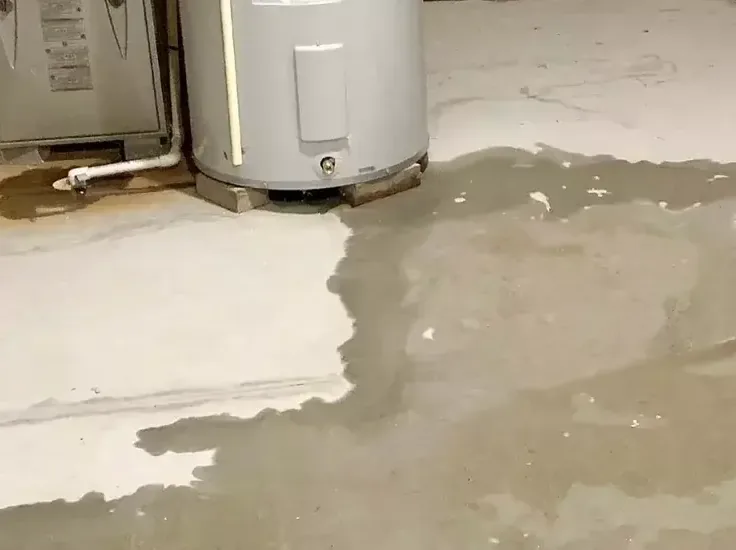
A tank enclosure can hide the first part of a leak. Water may pool beneath the appliance, wet a wall base or pass under the doorway before anyone notices it in the adjoining room. Water heater cleanup in Encino therefore considers the enclosure and its connections to the building, with equipment repair handled as a separate part of the response.
First steps for water heater leak cleanup
- Avoid wet equipment controls. Do not step into pooled water to reach the heater controls or connections, and keep occupants away from the equipment until entry is safe.
- Arrange appropriate heater repair. Tell the equipment professional about the visible leak and any hot water accumulation so source isolation and replacement needs can be evaluated safely.
- Describe the enclosure boundary. Note water outside the doorway, damp trim and wet stored items, including changes in the adjoining room that appeared after the tank area became wet.
- Preserve access for inspection. Keep the dry route open and coordinate any appliance movement with material inspection, rather than covering wet surfaces as soon as the source is repaired.
How water heater leak cleanup progresses
- 1
Confirm safe equipment access
Assessment checks source control and safe approach, then records enclosure surfaces contacted by water and equipment restrictions needing professional attention.
- 2
Trace surrounding floor connections
Checks follow the equipment base, wall edges and doorway to identify involvement beyond the pool and stored contents needing handling before drying equipment is arranged.
- 3
Address liquid and retained moisture
Removal prepares enclosure materials for drying, with access and equipment placement coordinated around the heater professional and any planned appliance replacement within the affected space.
- 4
Document the enclosure repair needs
Final notes identify remaining trim, wall or floor tasks and separate the completed building cleanup from heater installation work before the enclosure is closed again.
Keep appliance controls out of improvised cleanup
Water heaters combine plumbing with energy connections, and hot water can add another hazard. Occupants should avoid standing in water to reach controls or move the tank. A qualified repair professional can address the equipment safely. The cleanup assessment needs to know whether the release has stopped and whether the enclosure is ready for access.
For a property reached from Ventura Boulevard or Hayvenhurst Avenue, describe the dry route to the heater location. Balboa Boulevard is another named corridor in the community. More useful than the road alone is knowing whether the enclosure opens into a room, a storage area or another confined space that limits equipment placement.
Look beneath the tank area and outside the door
The nearby floor may be dry at its center while trim, backing or the lower wall remains saturated. Inspection should include seams around the equipment base and transitions into the next space. If replacement of the heater creates an opening, coordinate that access with the person checking the building materials so a useful inspection opportunity is not lost.
- Report whether water appeared only around a connection or collected broadly beneath and around the equipment enclosure.
- Leave any protective panel removal or movement of the appliance to the professional responsible for the heater work.
- Note wet stored items, swollen trim and changes in flooring just outside the enclosure entrance.
- Keep the repair and cleanup records together so the sequence of source control and material work remains clear.
Allow the enclosure materials to finish drying
Replacement equipment should be coordinated with the condition of its supporting and surrounding materials. Wet backing, damaged trim or inaccessible wall sections may need attention before the space is closed again. Drying equipment placement must preserve the safe access and clearances required for the appliance work.
Structural drying can address moisture remaining after water collection. The final handoff should state which enclosure surfaces were affected, what was removed and which repairs remain. That record helps keep a successful tank replacement from being mistaken for completion of the building cleanup around it.
Discuss the wet materials before repairs
Explain where the heater is located, whether the source is isolated and which surrounding surfaces became wet. That information supports a cleanup assessment coordinated with safe equipment repair and enclosure access.
(888) 578-6508 Assess moisture around the heaterWhat does water heater leak cleanup cost in Encino, CA?
Water heater leak cleanup in Encino varies with enclosure access and spread into nearby materials. The ranges describe restoration of the wet area; tank repair, replacement and related equipment work need separate pricing.
Accessible tank-area spill
$800 to $1,500
- Collection access
- Localized floor moisture
- Nearby trim checks
Wet enclosure and floor
$1,500 to $2,500
- Damp enclosure layers
- Doorway moisture spread
- Coordinated drying access
Broader material damage
$2,500 to $3,800
- Adjacent room involvement
- Damaged finish removal
- Expanded material drying
The figures describe typical work scopes, not a quote. Water category, affected area, access and the time before drying change the scope. Compare the inputs in the water damage cost calculator.
Documentation for your insurance claim
The restoration contractor records the water source, affected rooms and moisture readings before removal begins. Timestamped photographs show damaged materials and the reason for opening a wall or lifting a floor. Daily temperature, humidity and material readings document progress against a dry comparison area. An itemized scope separates extraction, disposal, cleaning and equipment use from plumbing repairs and finish replacement. The property owner keeps invoices and the initial discovery details with that record. An insurer evaluates coverage under the actual policy; a sudden plumbing release, outside flooding and a sewer backup can receive different treatment. The adjuster decides coverage, and the homeowner checks deductibles, exclusions and any applicable endorsements directly with the insurer.
Daily measurements support the IICRC S500 drying goal. The drying crew compares similar materials and investigates readings that stop improving before equipment leaves.
Water heater leak cleanup in Encino
An Encino heater leak assessment needs the equipment location, nearby wet rooms and safe access conditions. Include whether a repair professional has isolated the tank and stopped the release.
The same service nearby: water heater leak cleanup in Valley Village, Sherman Oaks, Studio City.
All water damage services in Encino · View all service areas
Water Heater Leak Cleanup questions in Encino, CA
Does replacing the heater resolve the wet enclosure?
Replacement addresses the failed equipment. Moisture already in floor layers, trim or wall bases remains a separate restoration task. Coordinate access so those materials can be assessed before the new installation or enclosure repairs make them harder to inspect and dry.
Should the tank be moved to reach pooled water?
Moving a heater involves plumbing and energy connections and belongs with the responsible equipment professional. Describe the inaccessible water during assessment. Cleanup can then be coordinated with safe equipment handling rather than attempting to pull or tilt the tank independently.
Why inspect the room beyond the heater doorway?
Water can pass beneath trim or flooring and appear outside the enclosure after accumulating around the equipment. The adjoining floor transition helps define the loss boundary. Checking that connection prevents the visible tank area from becoming the only location included in restoration.
Can hot water change the initial cleanup precautions?
Yes. The temperature of released water and the condition of the equipment affect safe access. Keep away from hot accumulation and wet controls, and describe those conditions when arranging help. The assessment should define a safe work area before collection equipment is introduced.
What if the visible water has already been mopped?
The surrounding assembly can still hold absorbed moisture. Report where the water was found and how far it traveled before mopping. Photographs, damp trim and changes in the floor help direct the assessment toward layers that may require drying after surface collection.
Which costs should be separated in the written estimate?
The estimate should distinguish water removal, material handling and drying from equipment diagnosis and replacement. It should also identify finish repairs that follow cleanup. A written scope should identify the heater repair separately from extraction, material access and drying so the owner can coordinate both professionals.
A clear scope starts with the source
Explain where the heater is located, whether the source is isolated and which surrounding surfaces became wet. That information supports a cleanup assessment coordinated with safe equipment repair and enclosure access.
(888) 578-6508 Assess moisture around the heaterRestore the wet enclosure as well as the equipment
The floor, wall bases and adjoining doorway need their own material checks after the leaking appliance receives professional attention.
(888) 578-6508 Discuss the tank area cleanup