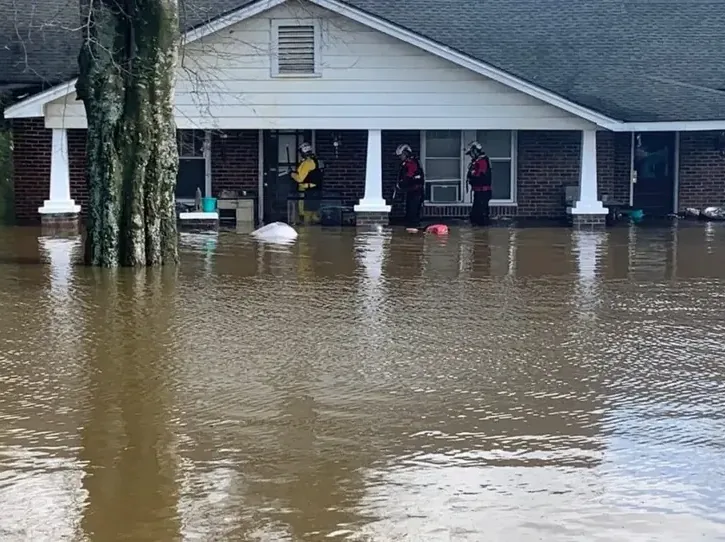
Steady rain triggered a debris flow on West Lockridge Road near Fryman Canyon Park late on February 4, 2024. At least two homes were damaged and residents of nine homes were evacuated. For a Studio City property affected by debris and water, interior cleanup follows a safe access decision and a clear assessment of what entered the building.
Key takeaways
- Respect evacuation and access restrictions before arranging interior work.
- Describe sediment, water, and damaged building components separately.
- Keep affected contents and debris on a controlled removal route.
- Inspect hidden floor and wall edges after bulk material comes out.
- Document retained materials before drying and reconstruction proceed.
Treat access as the first decision after a debris event
Debris at an entrance can conceal unstable footing, damaged components, or a route that remains exposed to additional movement. Residents should stay outside restricted areas and use the instructions of the responding authorities.
The contractor needs to know whether access has been permitted before planning equipment delivery or an interior inspection.
The West Lockridge Road incident involved evacuations as well as damaged homes. At any current event, the property contact should relay the actual access status and identify the authorized point of entry.
An available doorway is useful only when the approach and the space beyond it are suitable for the planned work.
Photographs taken from a safe position can help explain obstructions. They should show the approach, the entrance, and visible damage without requiring a resident to climb across debris or enter a room before its condition has been assessed.
- Keep the current access instructions with the project contact.
- Identify obstructions before arranging equipment movement.
- Leave unstable debris and damaged structures for appropriate assessment.
Describe the incoming material before cleanup changes it
A room containing sediment needs a different starting record from a room with a small pool of clear supply water. The crew should describe the visible debris, the depth and spread of deposits in ordinary terms, and the surfaces in contact with it.
Wide photographs give context before close images focus on particular materials.
The storm flood cleanup service organizes removal around that assessment. Water, loose debris, damaged contents, and affected finishes may need different handling, so the scope should identify each category plainly.
This helps the owner understand why clearing the floor is only part of making the room ready for drying.
The record should also show where the material stops. A door, raised threshold, or interior partition can create a visible boundary, while moisture may extend farther beneath trim or a floor layer.
The inspection revisits those edges after bulk removal.
- Photograph the full room before close damage details.
- Label deposits and affected finishes by location.
- Record adjacent rooms that remain outside the work area.
Plan a removal route that protects occupied spaces
Moving wet debris through an unaffected room can spread residue and complicate cleanup. Before removal starts, the contractor selects a route suited to the building and the available exits.
The path needs space for equipment and carried materials while keeping residents away from active handling and slippery surfaces.
Where a property has limited access, contents may require staged movement. Items awaiting a condition decision should remain identifiable rather than become mixed with discarded building material.
The owner can help by naming important possessions and explaining which storage areas contain documents or items needing separate attention.
The work plan should include the destination of removed material and the location of retained belongings. Those choices keep the entrance from becoming blocked again as cleanup progresses and allow the crew to reach the wet interior edges that will need inspection next.
- Separate retained possessions from removed building materials.
- Keep labels visible as items change locations.
- Maintain access to the room boundaries awaiting inspection.
Expose the floor and wall edges for a second assessment
Bulk removal reveals conditions that were hidden by deposits. The contractor inspects lower wall surfaces, cabinet bases, door frames, and changes in floor finish once these areas are accessible.
The findings can expand or narrow the original scope, especially when a wet edge continues behind a fixed component.
The condition of a porous material and its contact history affect whether it can remain. The crew should explain proposed removal by component and location, with photographs supporting the decision.
Materials selected for retention need an achievable cleaning and drying approach rather than an assumption that surface appearance is enough.
Water extraction addresses remaining accessible liquid as the room opens up. Removing that water supports the later drying work, but the inspection still needs to account for moisture below a finish or inside a wall cavity that the extraction tool cannot reach.
Plan exterior correction with the indoor scope
The route that admitted debris and water needs attention alongside the damaged interior. The responsible trades assess the actual exterior condition and determine what correction is appropriate.
The drying crew should know whether additional entry is possible so the equipment plan and protected areas reflect the current state of the building.
A temporary protective measure and a permanent repair serve different purposes. The project notes should state what is in place and identify the next responsible contact.
This avoids a handoff in which a room is ready for finish work but the entrance route still needs a separate assessment or repair decision.
Studio City includes Colfax Meadows and Silver Triangle, while Wilacre Park lies in the eastern Santa Monica Mountains. At the affected home, the work sequence follows the observed approach, openings, and damaged assemblies, with each contractor describing the portion of the property covered by the assigned scope.
Dry retained components after cleaning and access are resolved
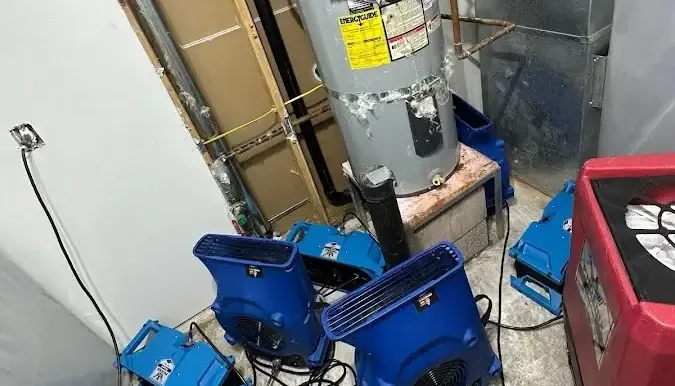
Equipment placement should follow the material decisions and the available exposure. The contractor identifies which walls, framing, and floor layers remain, then chooses measurement locations that can be checked again.
Air movement must suit the condition of the room and the cleanup already completed before it becomes part of the drying setup.
Structural drying pairs environmental control with readings in the retained materials. The log records progress and explains changes when a cavity or support layer responds slowly.
That information lets the owner understand the reason for continued work in a room that may already look substantially cleaner.
Completion should be tied to the material targets set for the project. A scheduled visit, an emptied room, or a dry feeling surface cannot replace the final assessment.
The handoff should say which components reached their targets and which areas were removed for replacement.
Make the recovery file usable for the next contractor
A debris event can leave several trades working on different parts of the property. Organizing the file by access, removal, cleaning, drying, and repair helps each contractor find the information relevant to the next task.
Photographs should preserve the sequence from the original deposit through the exposed and retained building layers.
The owner also needs a clear list of remaining decisions. That list can include contents awaiting evaluation, an exterior repair proposal, an opening awaiting reconstruction, or a finish selection.
Naming the responsible contact for each item keeps the handoff practical after the extraction equipment leaves.
The historic February event belongs in the neighborhood's water history, while the current project file describes the affected property itself. Its value comes from clear observations, authorized work, and recorded results that explain why each component was retained, removed, or passed to the repair trade.
Questions
Can cleanup start while an evacuation restriction remains?
The property contact must follow the current access direction from the responsible authorities. Interior work needs permitted access and a suitable approach. The contractor can discuss logistics remotely, but debris removal and room inspection depend on the condition and access status at the property.
Why is sediment removal separate from drying?
Deposits can hide wet edges and complicate material handling. Clearing them allows a more complete inspection and prepares retained surfaces for the next work. Drying equipment is then arranged around the assemblies that remain and the access available to measure them.
Should every wet possession be discarded immediately?
Items need a condition and contact assessment before a retention decision. The owner should preserve photographs and an inventory where that can be done safely. The contractor can separate belongings awaiting evaluation from materials already approved for removal, keeping the record clear.
What explains a change in the original cleanup scope?
Removing debris can expose damage behind a cabinet, beneath a floor finish, or at a wall base. The revised scope should identify the newly accessible condition with its location and photographs. That explanation connects additional work to a specific finding the owner can understand.